Welcome
So you started a GLP-1 medication. Maybe it's semaglutide (Ozempic, Wegovy), maybe tirzepatide (Mounjaro, Zepbound), maybe something your doctor picked after a conversation you're still processing. And now something strange is happening: food barely interests you.
That sandwich you used to inhale at your desk? You took three bites and felt done. The weekend brunch buffet? You're full after a plate of fruit and half an omelet. Your body has changed the rules, and nobody handed you the new playbook.
Here's the paradox nobody warned you about: eating less doesn't mean eating worse. It means eating smarter. When you're only consuming 800–1,200 calories a day, every single bite carries more weight. A bad choice isn't just a bad choice — it's 15% of your entire daily nutrition gone on something that gave you nothing back.
This guide is that playbook. No judgment about the medication. No lectures about willpower. Just clear, honest information about what to eat when your appetite shrinks — pulled from 50+ cuisines, backed by real research, and written by people who actually understand that "just eat protein" isn't a meal plan.
— The Calorique Experts
The GLP-1 Reality Check
What's actually happening inside your body.
GLP-1 receptor agonists mimic a hormone your gut naturally produces after eating. They tell your brain "we're full" and slow your stomach from emptying. The result: you feel satisfied faster, stay satisfied longer, and think about food less.
The STEP 1 trial (Wilding et al., NEJM 2021) showed participants on semaglutide lost an average of 14.9% of body weight over 68 weeks. Tirzepatide in SURMOUNT-1 (Jastreboff et al., NEJM 2022) pushed that to 20.9% at the highest dose. Those are staggering numbers.
But here's the part that gets buried in the headlines: roughly 40% of the weight lost in these trials was lean body mass — not fat. That means muscle. Bone density. The metabolic machinery that keeps you functional at 60, 70, 80.
If you lose 30 lbs on GLP-1 and 40% is lean mass, that's 12 lbs of muscle gone. Muscle burns ~6 cal/lb/day at rest. Lose 12 lbs of muscle, and your resting metabolism drops by ~72 cal/day — or 26,000 cal/year. That's 7.4 lbs of potential regain just from metabolic slowdown. This is preventable with proper nutrition.
The medication handles appetite. You handle nutrition. That's the deal.
The 3 Biggest Mistakes
What people on GLP-1 get wrong about food.
"I'm not hungry, so I'll skip meals."
Your appetite is suppressed, not your nutritional needs. Skipping meals leads to protein deficiency, vitamin gaps, and the exact muscle loss that makes regain more likely. The body doesn't care that you're not hungry — it still needs 60+ grams of protein, iron, calcium, B12, and a dozen other things every single day.
"I'll just eat whatever I can get down."
When you could only eat 1,000 calories, spending 400 of them on a muffin from the office kitchen means you have 600 calories left for all your protein, vitamins, and minerals. At low caloric intake, junk food isn't just unhealthy — it's mathematically ruinous.
"Protein shakes will handle it."
Shakes are a supplement, not a strategy. They lack the micronutrients of real food, they don't exercise your digestive system, and the liquid form bypasses the satiety signals GLP-1 is modifying. Real food first. Shakes to fill gaps. Never the other way around.
The Protein Priority
Your single most important macronutrient right now.
The American Society for Metabolic and Bariatric Surgery recommends 60–100g of protein per day for patients on GLP-1 medications. That's 1.0–1.5g per kilogram of ideal body weight. Not optional. Not aspirational. Mandatory.
Why? Because without adequate protein, your body breaks down muscle for amino acids. The clinical term is sarcopenic obesity — you lose weight but end up with a higher body fat percentage than when you started, weaker, and metabolically worse off.
When calories are limited, protein density matters more than total grams. Look for foods delivering 10+ grams of protein per 100 calories.
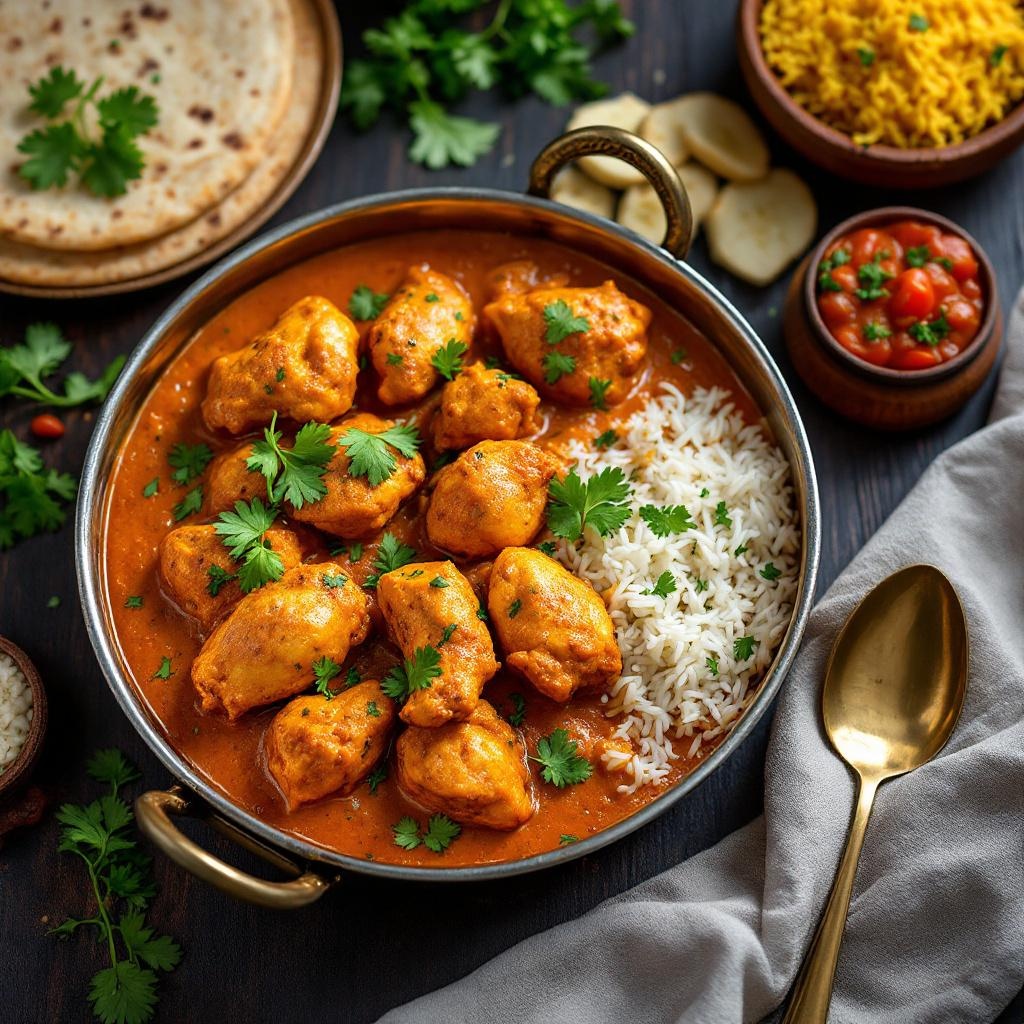
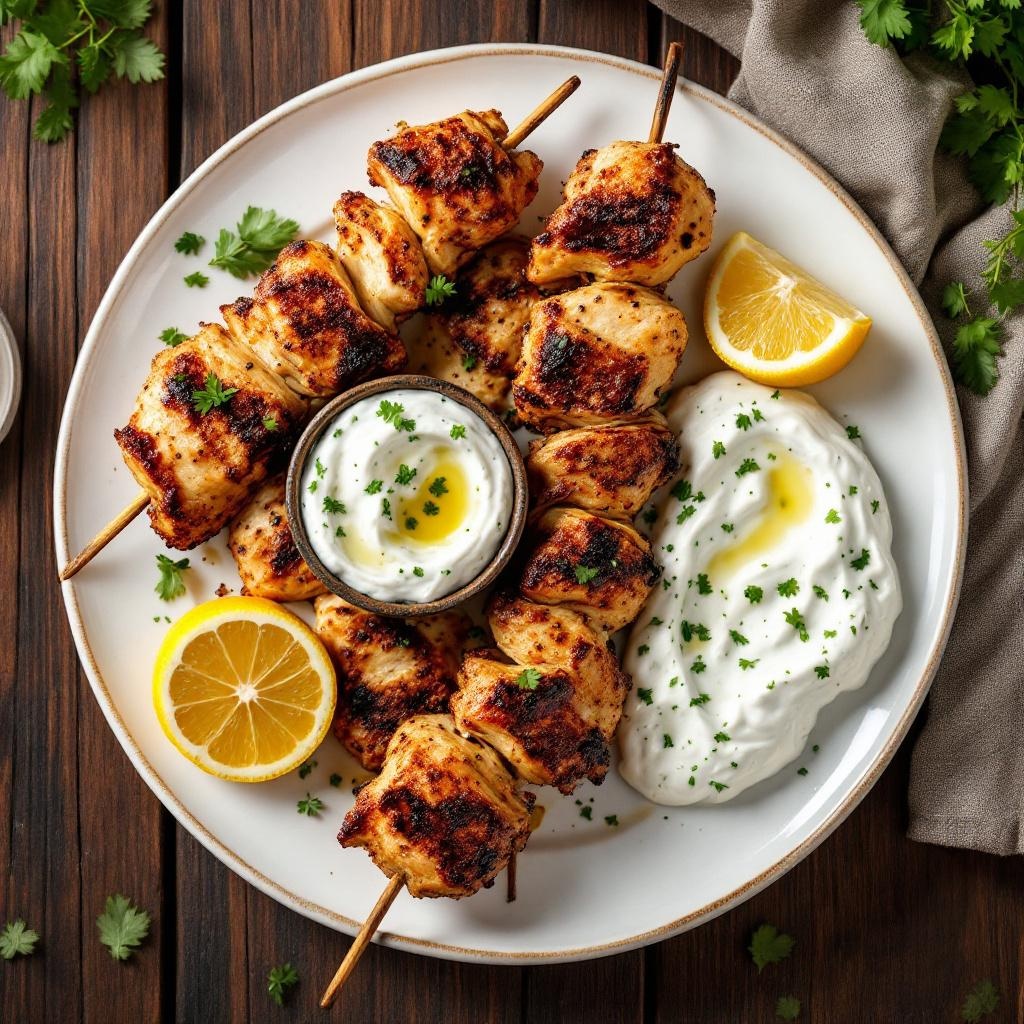
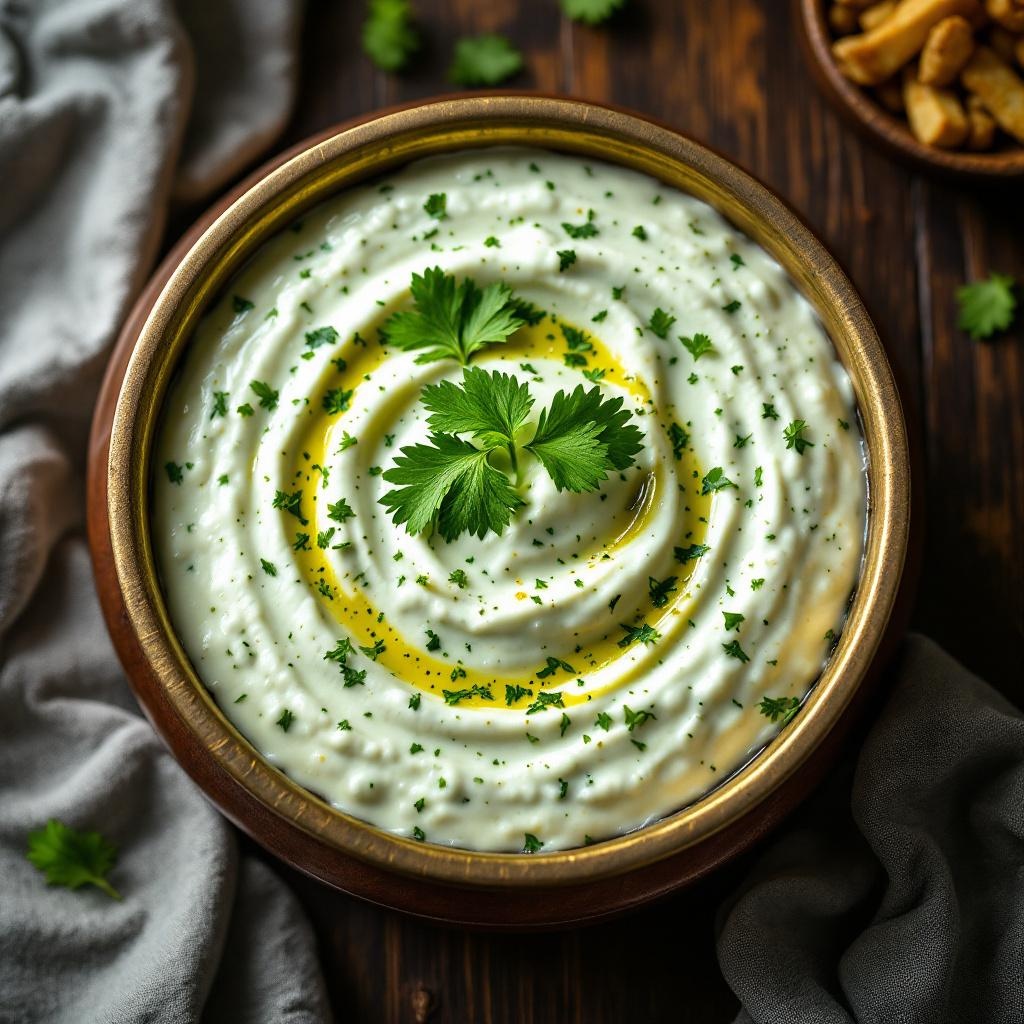
Protein From Every Kitchen
Chicken breast gets boring by day three. Here's the rest of the world.
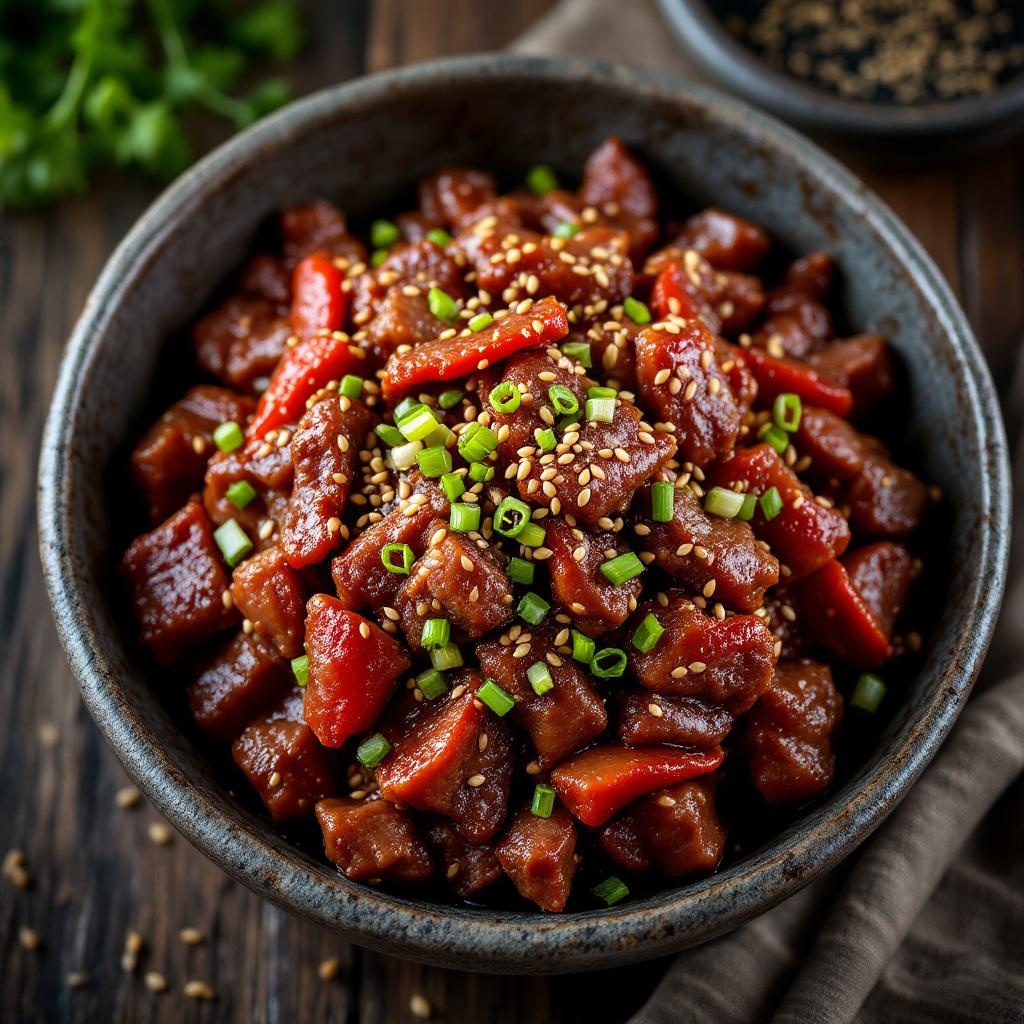
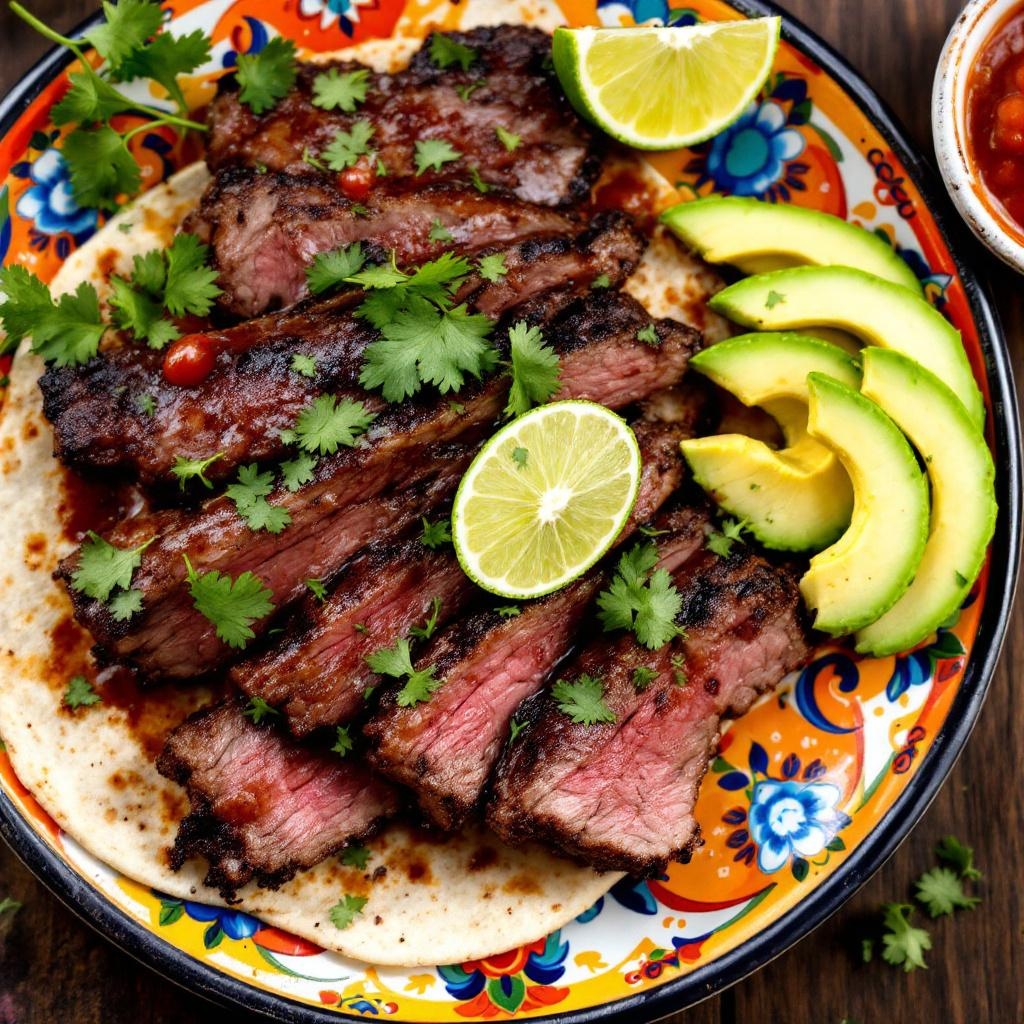
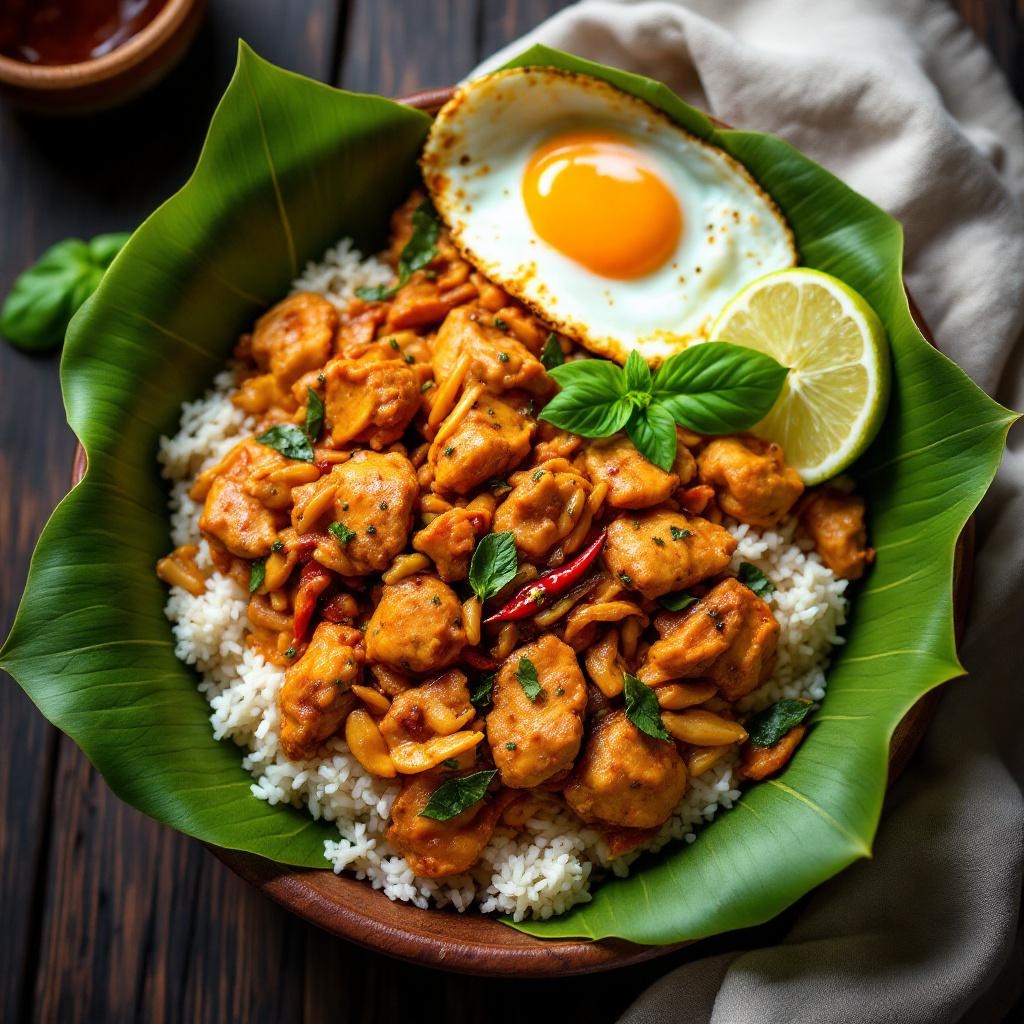
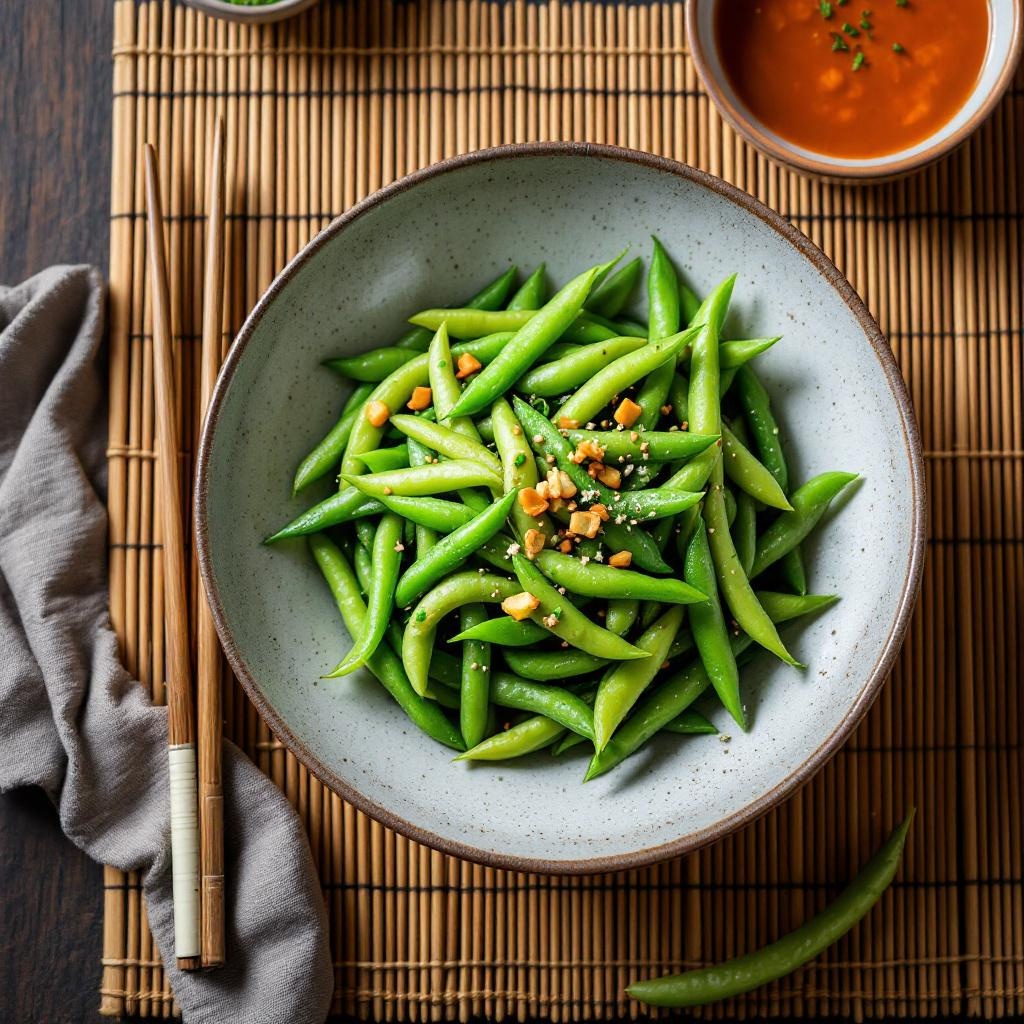
Aim for 20g protein in the first 20 minutes of each meal. Eat protein first, before carbs or fat. When your stomach says "done" early, at least the protein got in.
Small Meals, Big Nutrition
When you can only eat 800–1,200 cal/day, every bite is an investment.
These aren't sad diet portions. They're nutrient-dense, flavor-rich meals from around the world, each under 350 calories with real protein. Designed for reduced appetites.
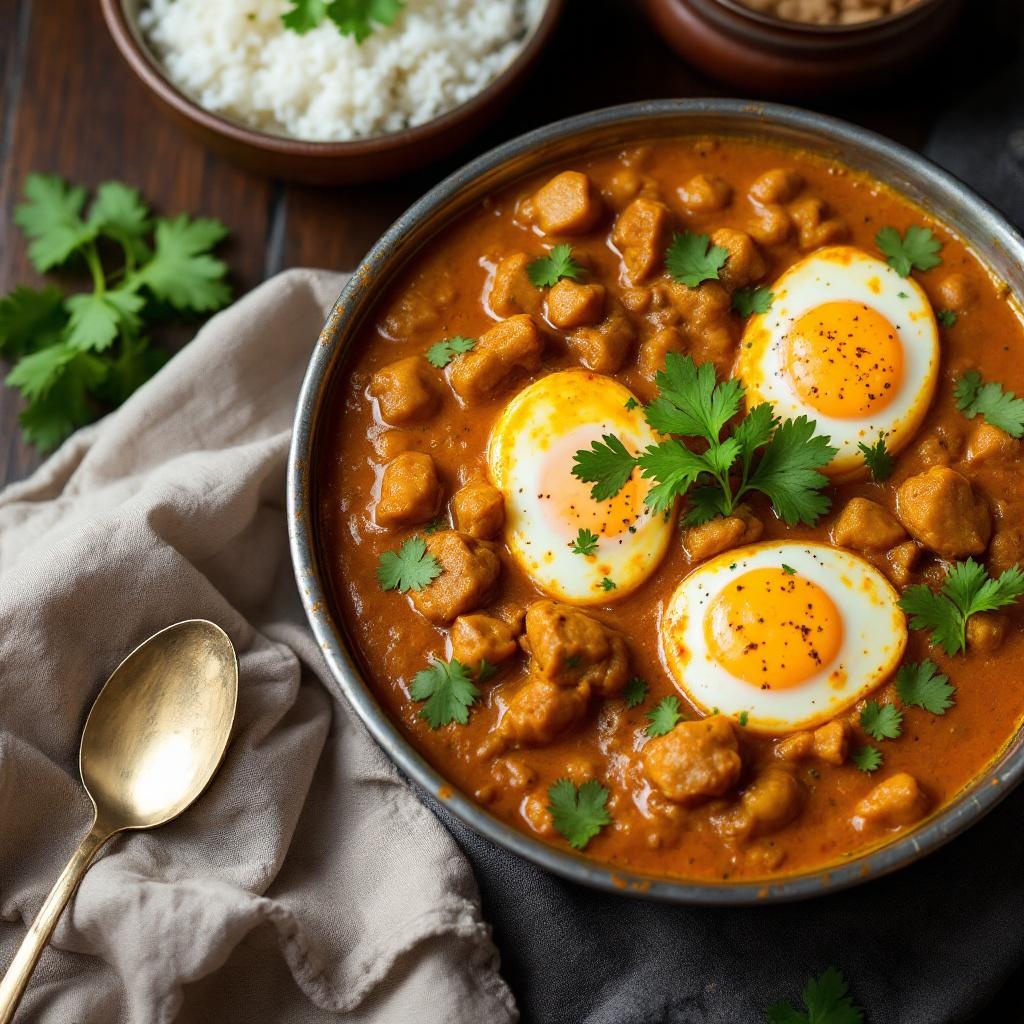
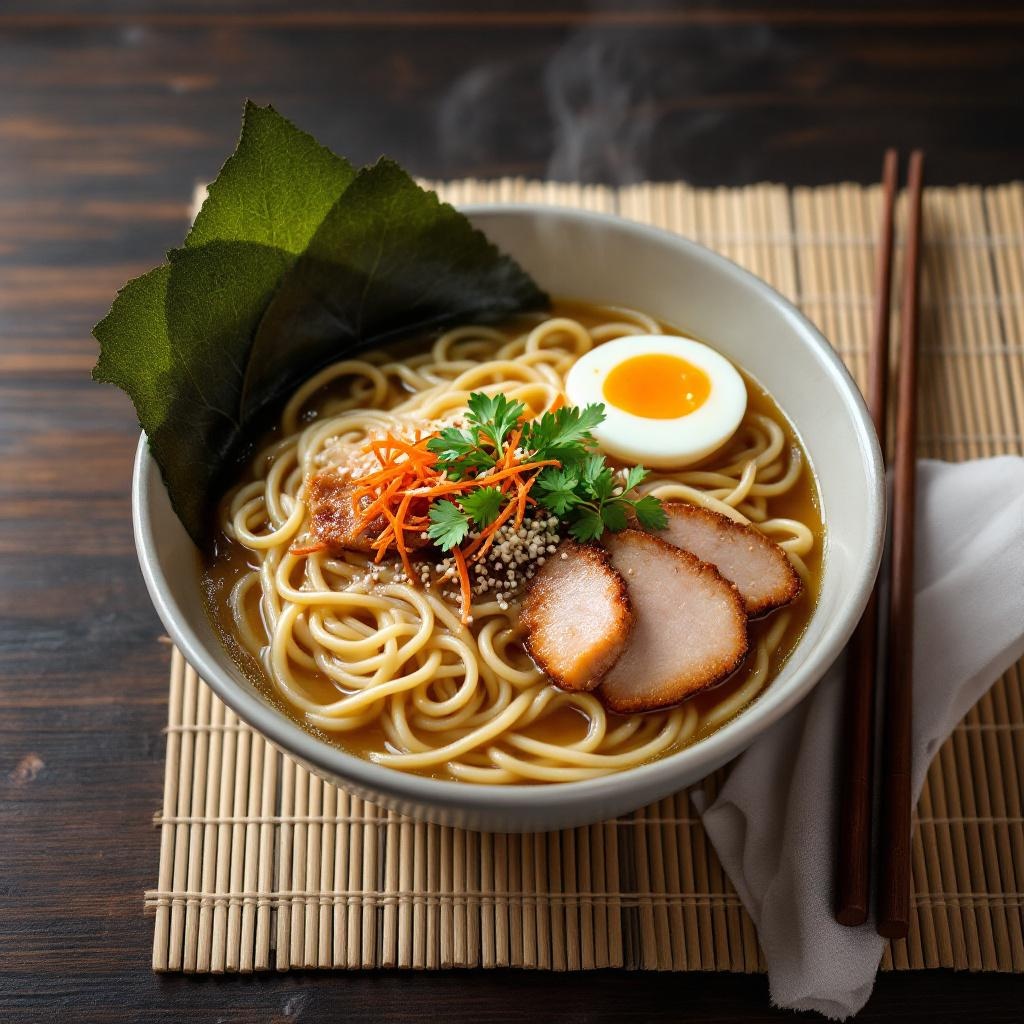
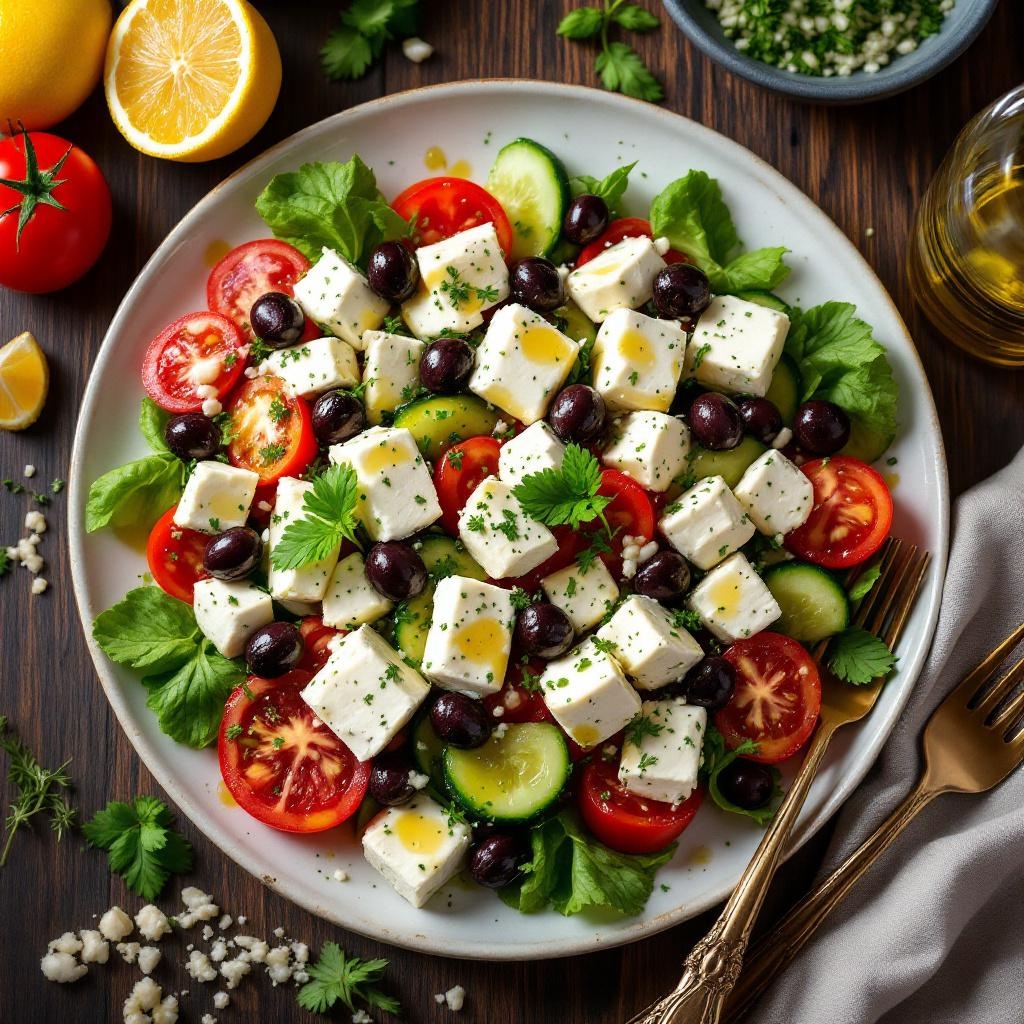
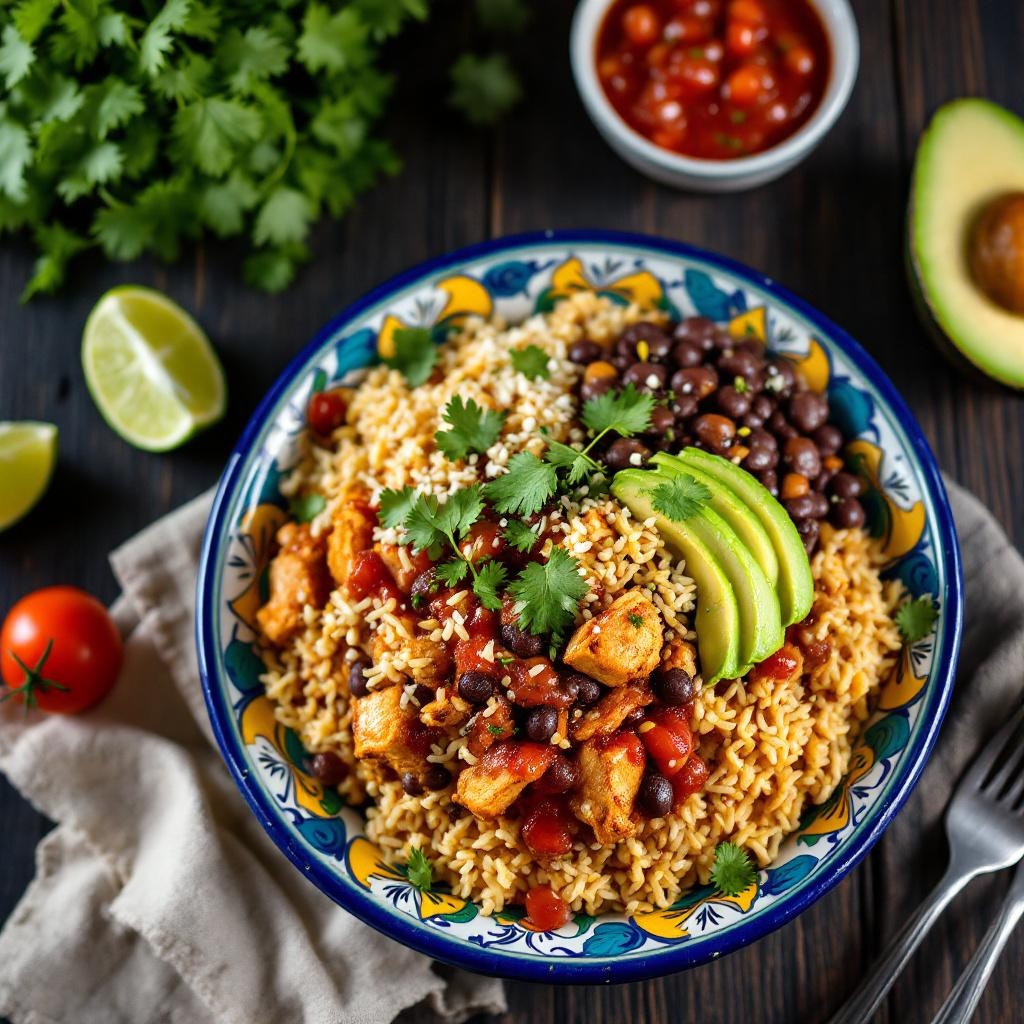
More Nutrient-Dense Small Meals
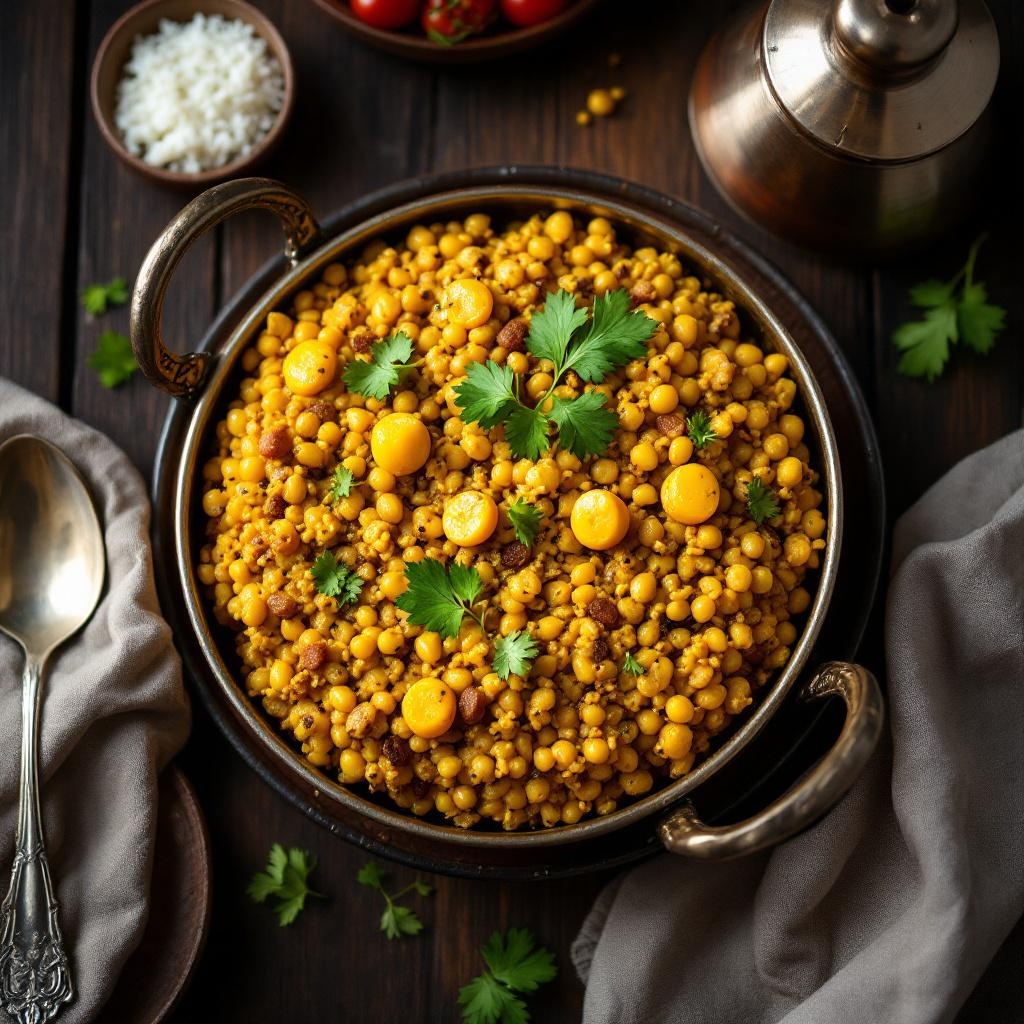
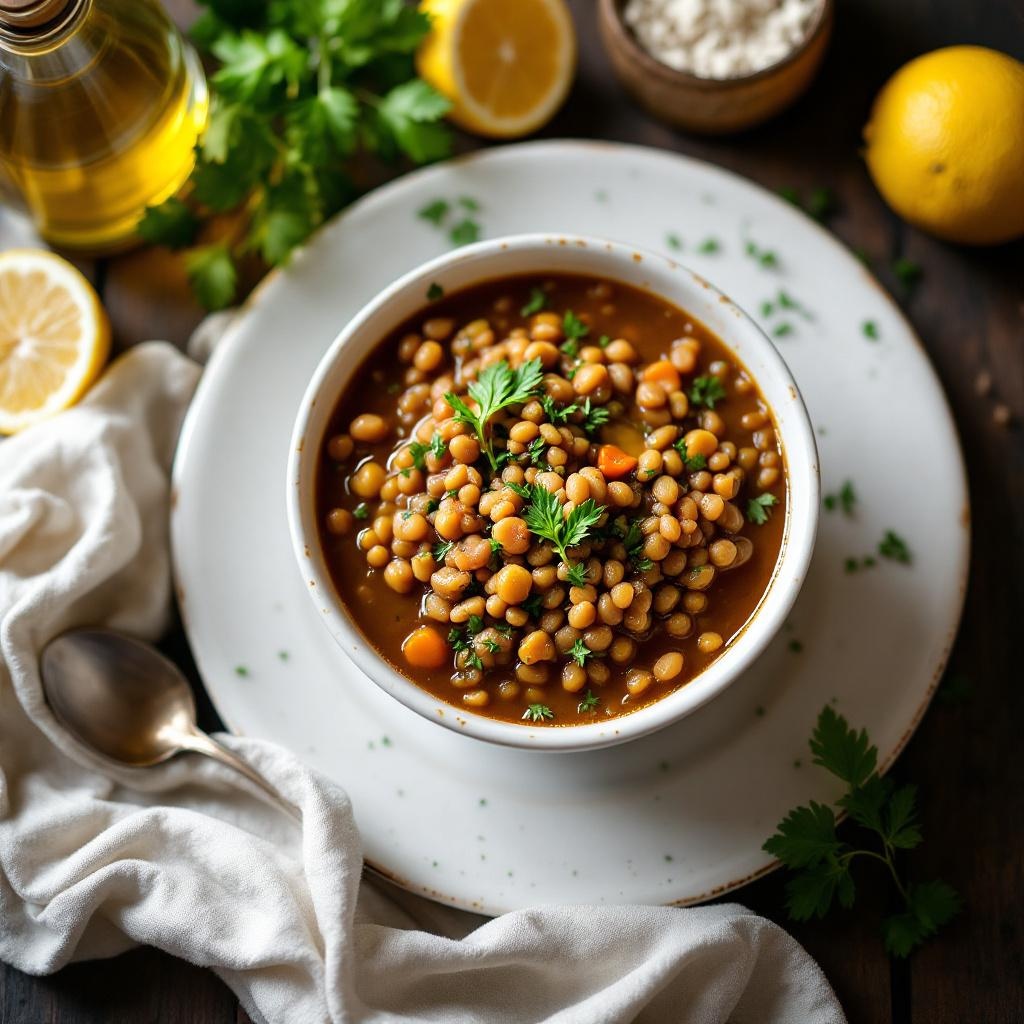
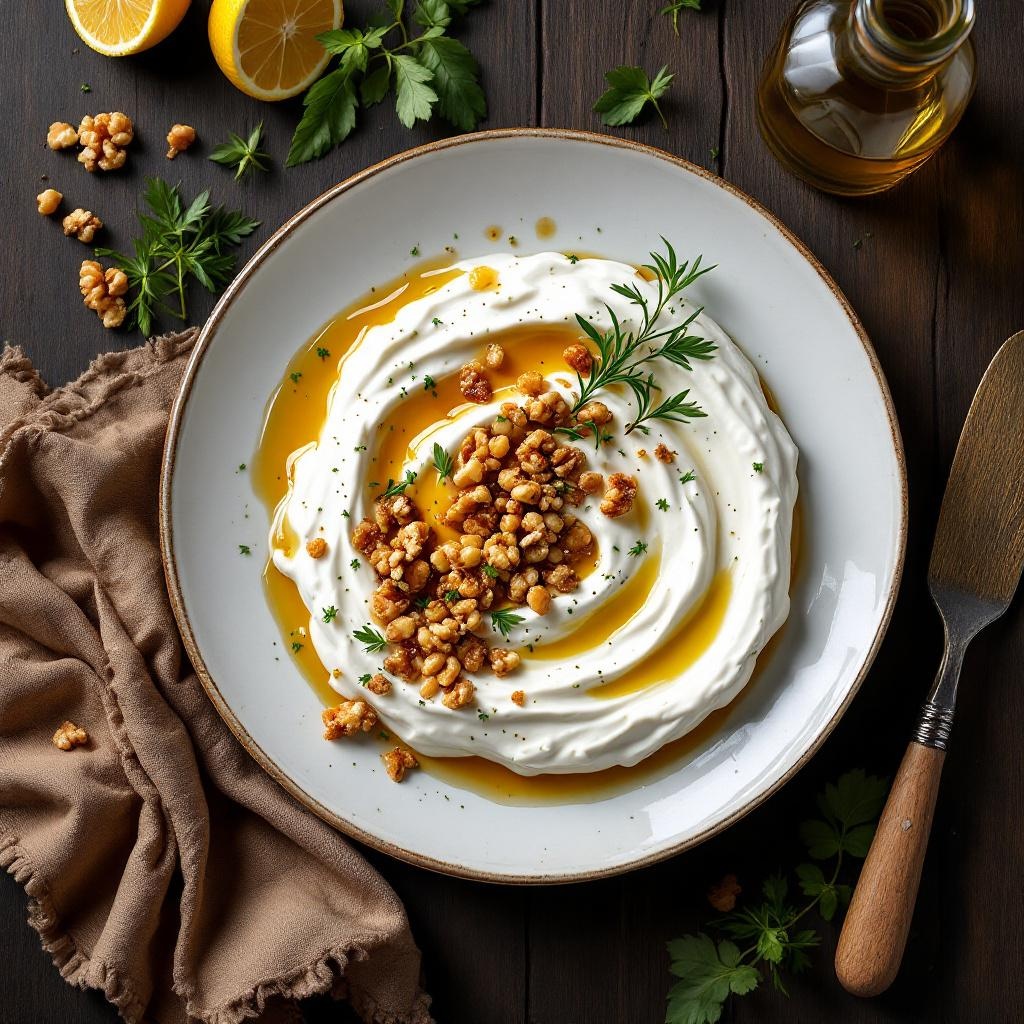
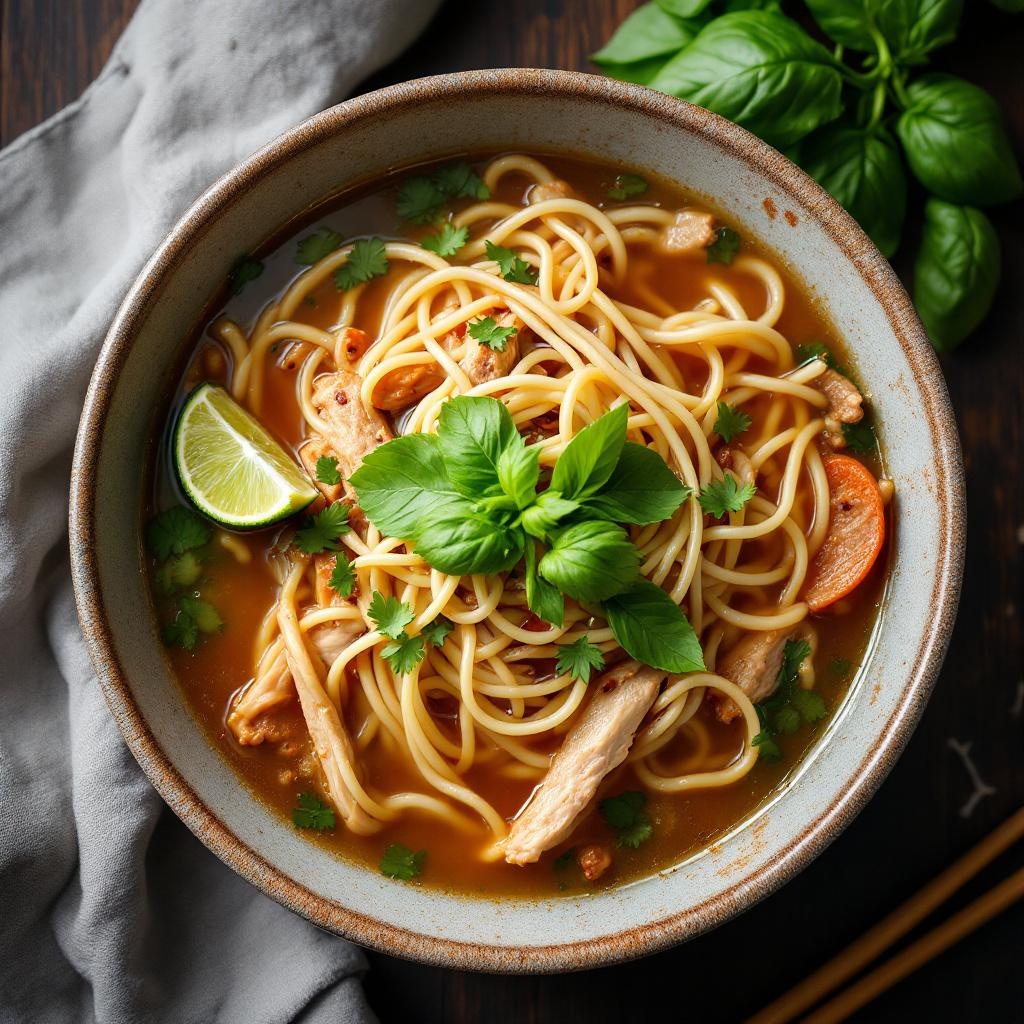
At 1,000 cal/day, you get roughly 3 meals at ~300 cal each + a 100-cal snack. Every meal above is under 350 cal and delivers real nutrition. That's not a diet — that's strategy.
Hydration
The problem nobody talks about until they're in the ER.
GLP-1 medications slow gastric emptying. That means food sits in your stomach longer. Combined with reduced food intake (food provides ~20% of daily water), nausea-related vomiting, and the fact that most people already under-hydrate, you're looking at a real dehydration risk.
The clinical data backs this up: constipation affects 24% of semaglutide patients (STEP 1 trial) — a classic dehydration symptom. Kidney injury from dehydration has been reported. This isn't theoretical.
Minimum 64 oz (2 liters) daily. More if you're active or in hot climates. Sip constantly. Don't chug — your delayed gastric emptying makes large volumes uncomfortable.
Cultural Beverages That Help
- Chaas / Buttermilk (Indian) — 40 cal, probiotics, electrolytes. Your gut's best friend on GLP-1.
- Coconut Water — 45 cal/cup. Natural potassium and sodium. Better electrolyte profile than most sports drinks.
- Agua Fresca (Mexican) — cucumber-lime or watermelon. 30–50 cal. Hydrating, refreshing, barely any sugar if homemade.
- Barley Water / Jau ka Pani — 50 cal. Traditional cooling drink. Helps with the constipation that plagues GLP-1 patients.
- Nimbu Pani / Limeade (Indian) — 30 cal. Electrolytes, vitamin C, settles nausea. The original sports drink.
- Bone Broth — 40 cal/cup. Collagen, minerals, warm liquid. Counts as hydration AND nutrition. Win-win.
Carbonation: Slowed gastric emptying + fizz = bloating and discomfort. Many GLP-1 patients can't tolerate carbonated drinks. Alcohol: Dehydrating, empty calories, and interacts unpredictably with blood sugar on GLP-1. If you drink, halve your usual amount.
The Nausea Chapter
Side effect #1. Here's what actually helps.
Nausea hits 44% of semaglutide patients and 33% on tirzepatide. It's usually worst during dose escalation and fades after 4–8 weeks. But during those weeks, you still need to eat. The key: bland doesn't have to mean boring.
1. Eat slowly — 20+ minutes per meal. 2. Small portions, more often (5–6 times/day). 3. Avoid lying down for 30 min after eating. 4. Cold or room-temp food is easier than hot. 5. Ginger is clinically proven to reduce nausea — ginger tea, ginger chews, real ginger ale.
The GLP-1 Comfort Menu — 10 Gentle Dishes From Around the World
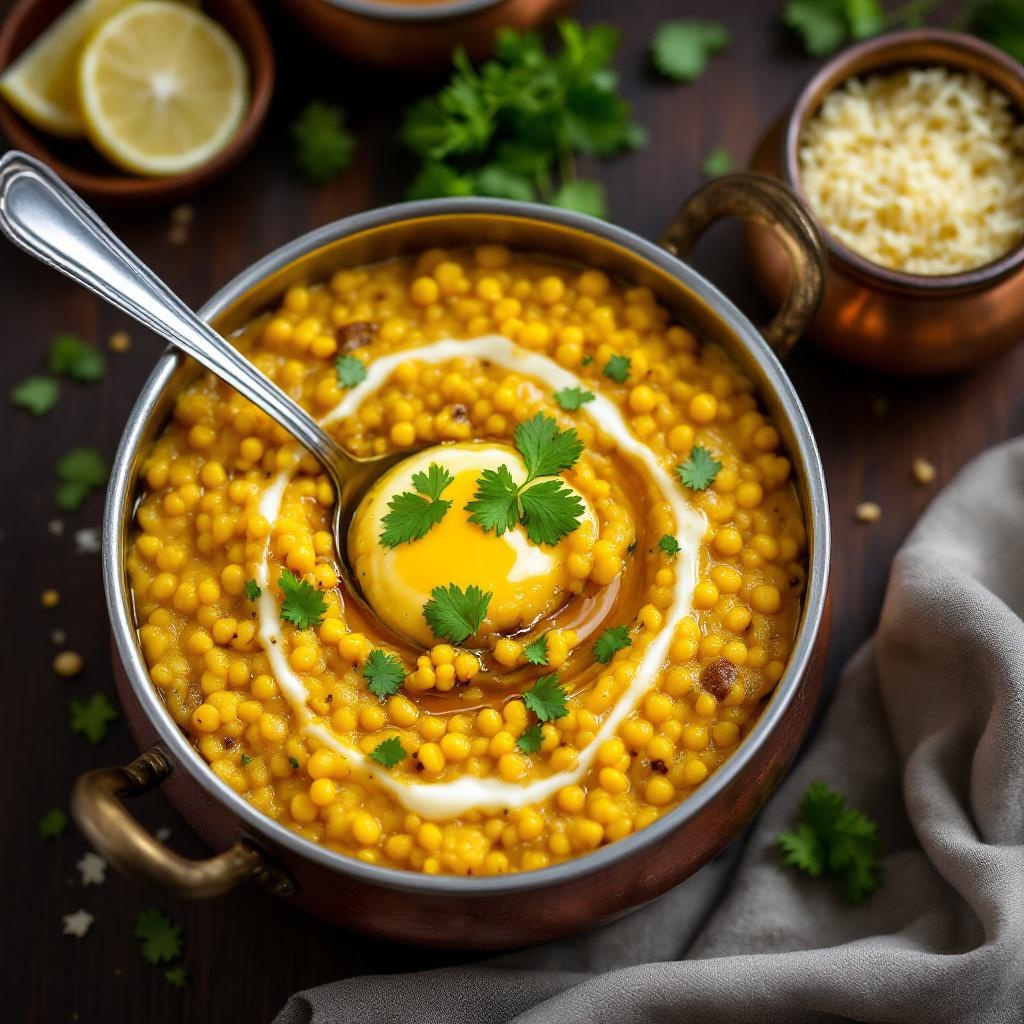
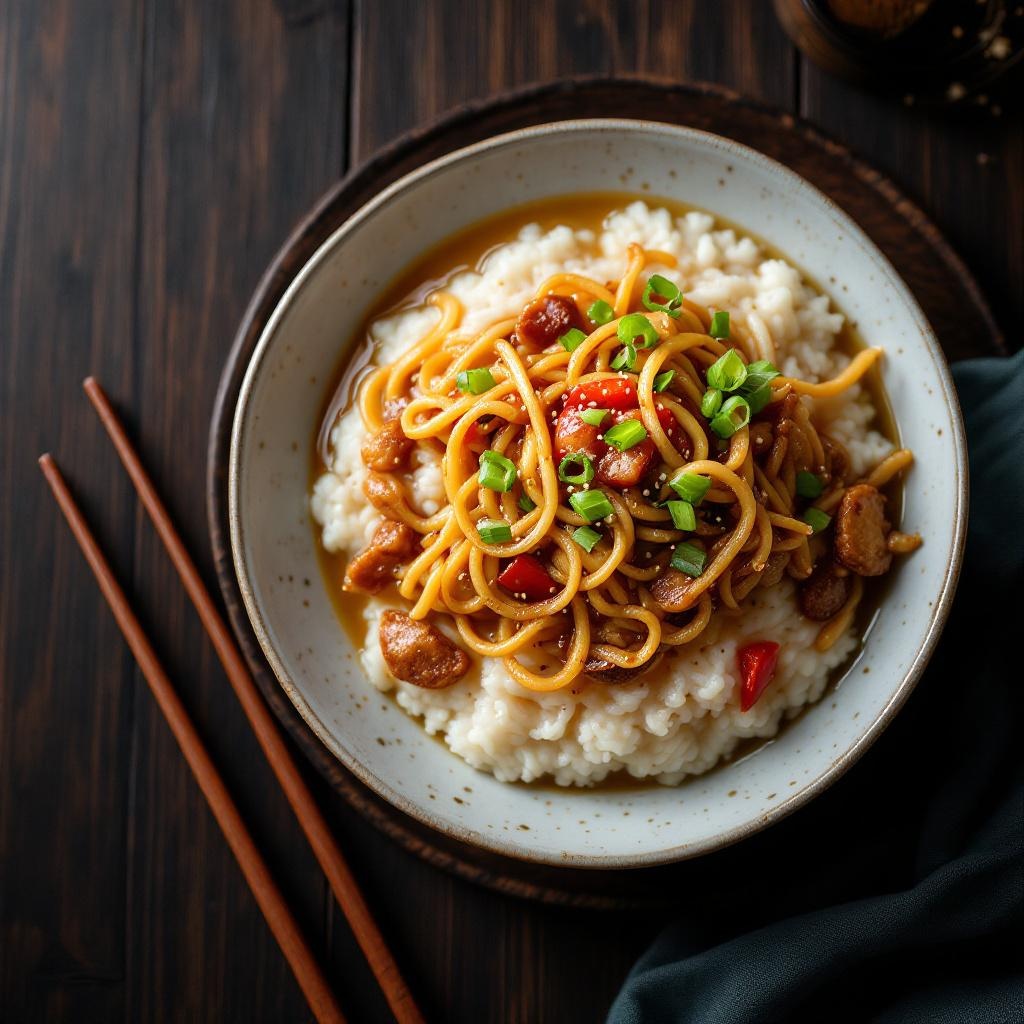
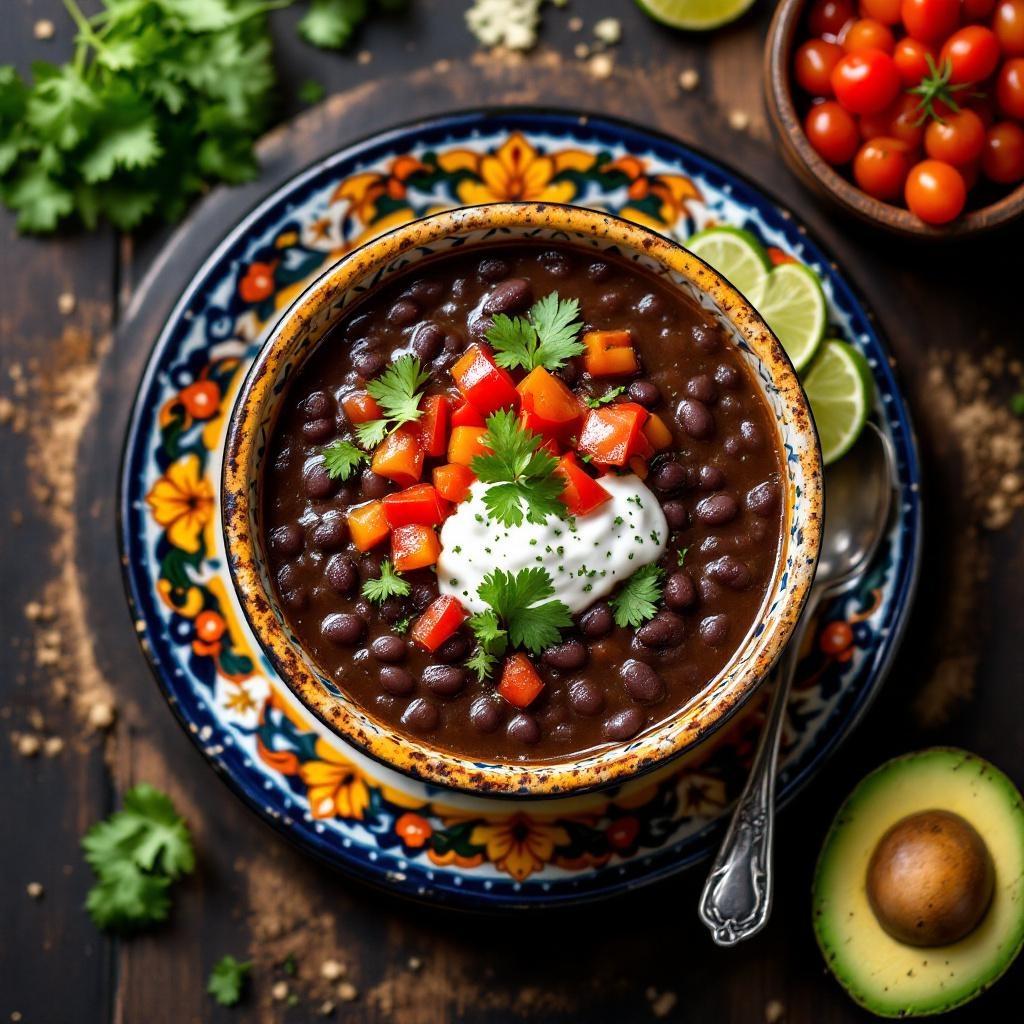
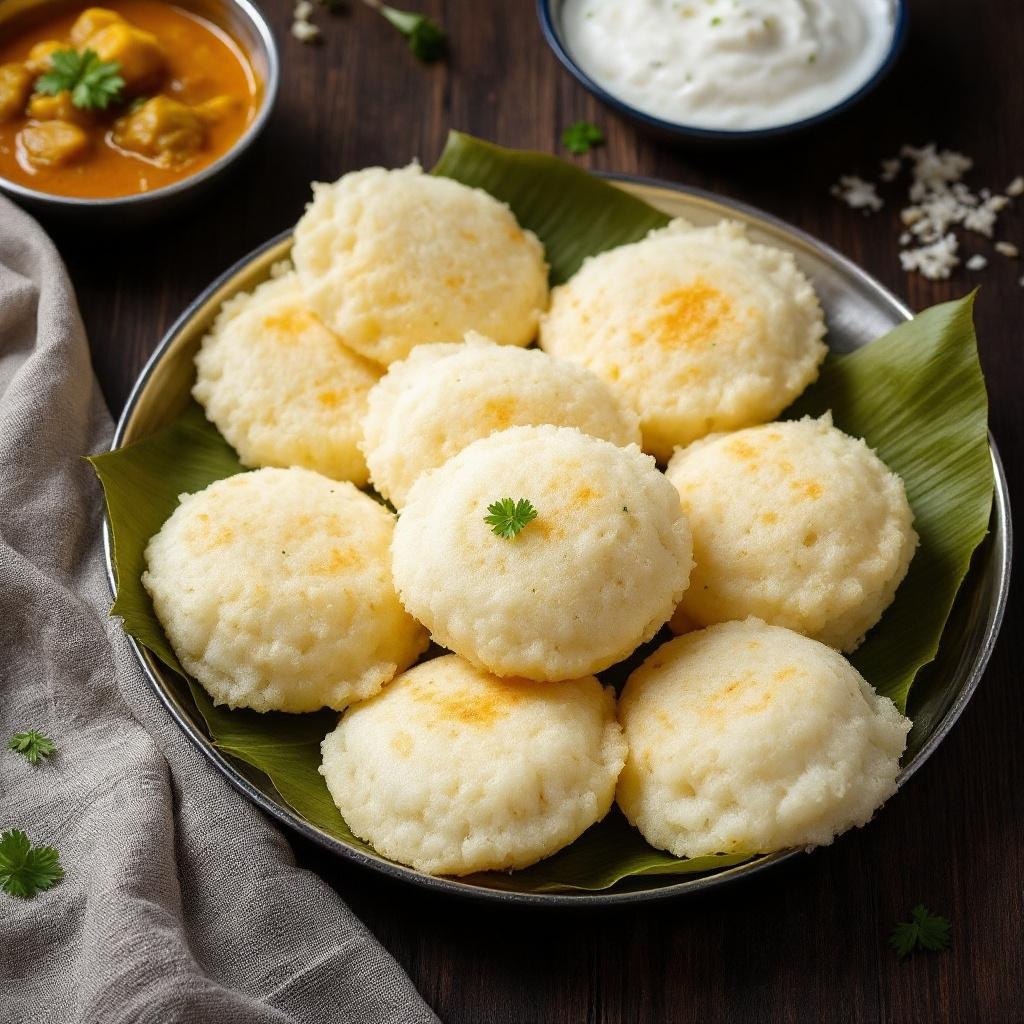
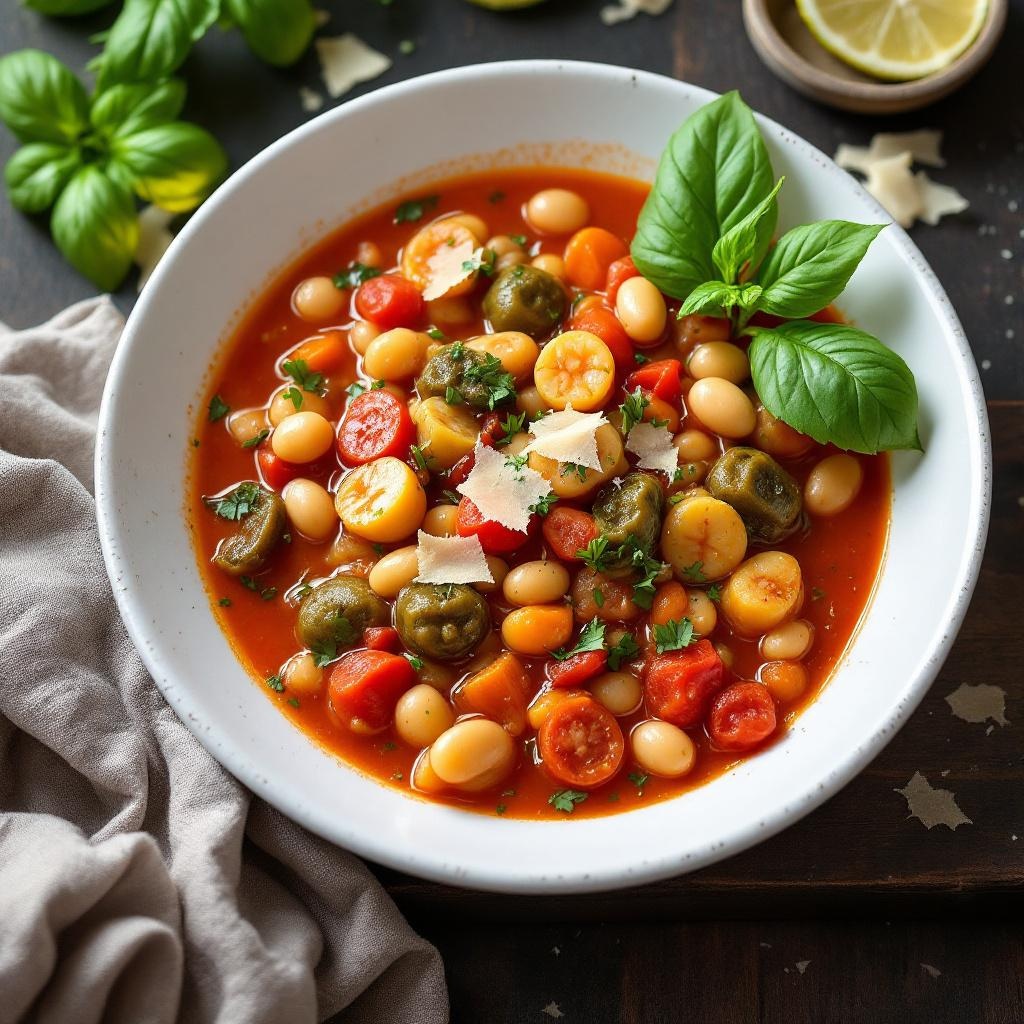
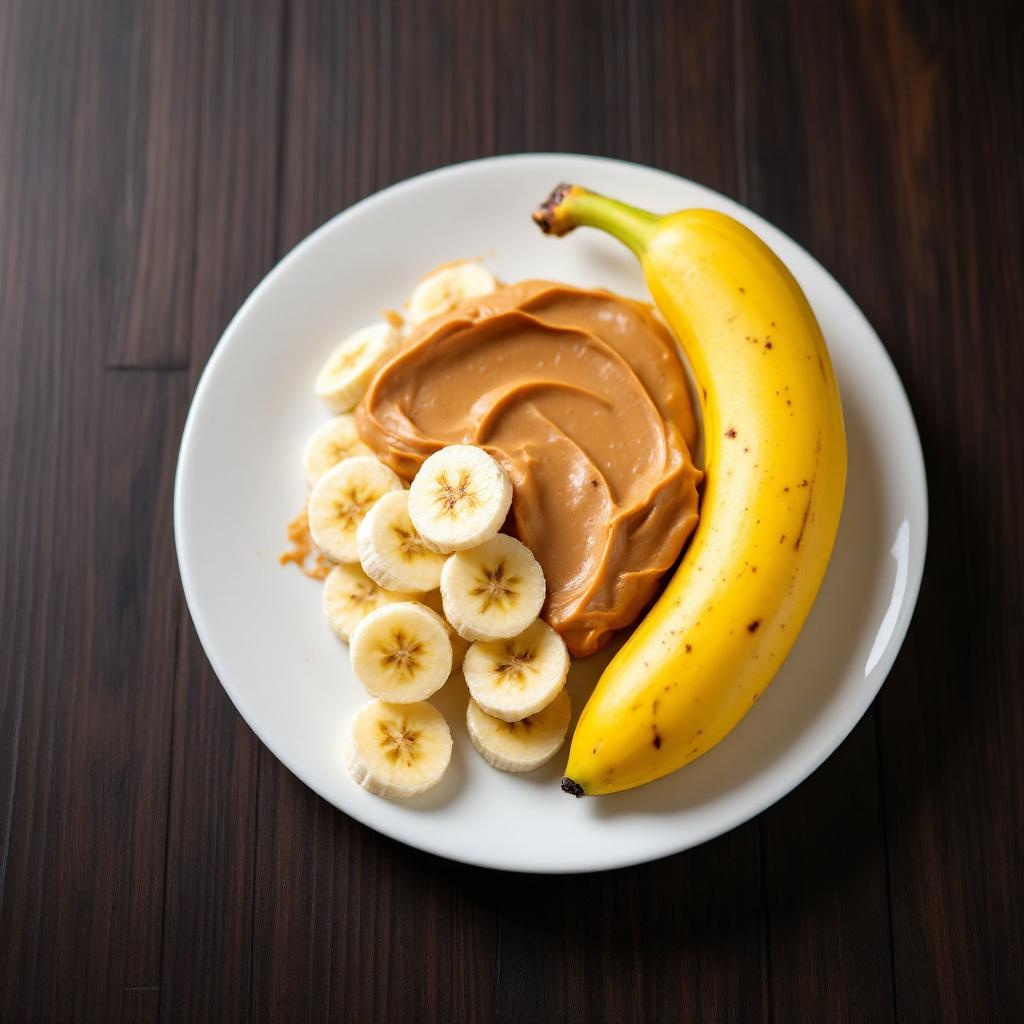
Avoid on bad days: Fried foods (slow to digest, which your stomach already is). Very spicy dishes. Large fatty meals. Strong-smelling foods. Raw onion and garlic. Cruciferous vegetables (broccoli, cauliflower) which produce gas in a slow-moving gut.
7-Day Meal Plan: 1,200 Cal (Indian Focus)
Indian-focused. High protein. GLP-1 friendly portions.
| Day | Breakfast | Lunch | Snack | Dinner | Total |
|---|---|---|---|---|---|
| Mon | 2 Egg Bhurji+Roti (280) | Chicken+1 Roti (360) | Chaas (40) | Moong Dal+Rice (250) | 930 |
| Tue | Greek Yogurt+Fruit (240) | Palak Paneer+Roti (400) | Edamame (130) | Rasam+Rice (260) | 1,030 |
| Wed | 3 Idli+Sambar (315) | Fish Curry+Rice (350) | Banana (105) | Chana+1 Roti (330) | 1,100 |
| Thu | Paneer Bhurji (220) | Rajma+Rice (360) | Nuts 15g (90) | Egg Curry+Roti (340) | 1,010 |
| Fri | Moong Cheela (200) | Tandoori Ch+Salad (300) | Chaas (40) | Khichdi (220) | 760 |
| Sat | Poha (220) | Chicken Biryani (480) | Curd (60) | Dal+1 Roti (300) | 1,060 |
| Sun | Dosa+Sambar (290) | Kadhai Ch+Roti (390) | Coconut Water (45) | Soup+Toast (200) | 925 |
Friday is the lightest day (760 cal) — that's OK. GLP-1 appetite is unpredictable. Saturday has biryani. The week balances. That's what matters.
7-Day Meal Plan: 1,200 Cal (Mexican Focus)
Mexican-focused. Bold flavors even when appetite is shy.
| Day | Breakfast | Lunch | Snack | Dinner | Total |
|---|---|---|---|---|---|
| Mon | Huevos Rancheros (290) | Chicken Taco x2 (280) | Jicama+Lime (50) | Black Bean Soup (240) | 860 |
| Tue | Yogurt+Granola (240) | Fish Taco x2 (300) | Guacamole+Veg (120) | Caldo de Pollo (180) | 840 |
| Wed | Egg+Bean Burrito (320) | Grilled Ch Salad (320) | Mango (90) | Pozole (250) | 980 |
| Thu | Chilaquiles (lite) (280) | Carne Asada+Beans (340) | Agua Fresca (40) | Chicken Tortilla Soup (200) | 860 |
| Fri | Fruit+Cottage Ch (200) | Chicken Mole (sm) (310) | Peanuts (100) | Bean+Cheese Quesadilla (280) | 890 |
| Sat | Tamale (1 pork) (280) | Burrito Bowl (half) (310) | Coconut Water (45) | Enfrijoladas (260) | 895 |
| Sun | Molletes (260) | Barbacoa Taco x2 (320) | Elote (sm) (100) | Sopa de Fideo (180) | 860 |
Mexican cuisine is naturally GLP-1 friendly: small portions (tacos, not burritos), beans everywhere (fiber + protein), lime in everything (anti-nausea). Built for this.
7-Day Meal Plan: 1,400 Cal (Mixed Cuisine)
Mixed cuisine. For when appetite stabilizes a bit.
| Day | Breakfast | Lunch | Snack | Dinner | Total |
|---|---|---|---|---|---|
| Mon | Eggs+Toast (300) | Chicken Tikka+Roti (340) | Greek Yogurt (150) | Pho (330) | 1,120 |
| Tue | Overnight Oats (280) | Souvlaki+Salad (350) | Hummus+Vegs (150) | Miso Salmon+Rice (390) | 1,170 |
| Wed | Idli+Sambar (315) | Bulgogi+Rice (450) | Edamame (130) | Minestrone (170) | 1,065 |
| Thu | Smoothie Bowl (280) | Fish Tacos x2 (300) | Nuts (120) | Dal+2 Roti (420) | 1,120 |
| Fri | Moong Cheela (200) | Grilled Fish+Veg (320) | Fruit (100) | Congee+Egg (220) | 840 |
| Sat | Eggs Benedict (lite) (350) | Biryani (480) | Chaas (40) | Thai Basil Ch+Rice (360) | 1,230 |
| Sun | Pancakes (sm) (280) | Carne Asada Bowl (380) | Bone Broth (40) | Khichdi (220) | 920 |
Friday is 840 cal. Saturday is 1,230. That's GLP-1 reality — appetite swings are normal. Weekly budget absorbs the chaos.
The Weekly Budget
Why it matters even more on GLP-1.
Most calorie trackers give you a daily number and then scold you when you miss it. That approach was already flawed. On GLP-1, it's completely broken.
Here's why: your appetite is no longer predictable. Monday you might eat 900 calories and feel stuffed. Tuesday you could manage 1,300. Wednesday, after dose day, maybe 700. Trying to hit 1,200 exactly every day is a recipe for anxiety, not health.
1,200 cal/day = 8,400 cal/week. Hit the weekly number. Some days are 700. Some are 1,400. Your body doesn't reset at midnight. Neither should your tracker.
This matters more on GLP-1 for three specific reasons:
Dose days hit different.
Most patients inject weekly. The day of injection and the day after often bring the lowest appetite and most nausea. Trying to force 1,200 calories on those days is counterproductive. Eat what you can, make it protein-rich, and let the rest of the week balance.
Social meals still matter.
Saturday dinner with friends shouldn't trigger guilt because it's 1,500 calories on a "1,200-calorie plan." It's 1,500 out of 8,400. That's 18% of your weekly budget. Completely reasonable.
Protein averages, not protein dailies.
You need 60–100g protein per day ON AVERAGE. Some days you'll hit 80g. Some days, 40g. If the week averages 65g/day, you're fine. Obsessing over daily protein targets when you can barely eat creates eating disorder patterns — the last thing you need.
What Your Doctor Won't Tell You About Food
Not because they're hiding it. Because a 15-minute appointment doesn't leave time for nutrition deep-dives. Here's what falls through the cracks.
GLP-1 medications slow gastric emptying, which can impair B12 absorption. B12 deficiency causes fatigue, brain fog, and nerve tingling — symptoms patients often blame on the medication itself. Get your B12 tested at 6 months. Sublingual B12 (dissolves under tongue) bypasses the stomach issue.
Roughly 5–6% of GLP-1 patients report hair thinning (telogen effluvium). It's not the drug — it's the rapid weight loss and nutritional gaps. The fix is nutritional, not dermatological: protein (60g+ minimum), zinc (15mg), biotin (30mcg), iron. Hair loss usually peaks at 3–4 months and reverses with adequate nutrition.
Rapid weight loss increases bone loss risk. You need 1,200mg calcium + 2,000 IU vitamin D daily. That's hard from food alone at 1,000 cal/day. Supplement. Seriously. Greek yogurt (200mg/cup), sardines (325mg/can), and fortified tofu (350mg/serving) are your food-based allies.
Normal: Mild nausea first 2–4 weeks. Reduced appetite (that's the point). Occasional constipation. Changed food preferences.
Call your doctor: Severe vomiting lasting 24+ hours. Sharp abdominal pain (pancreatitis risk). Inability to keep ANY food down. Rapid heartbeat or dizziness (dehydration). Significant mood changes.
The supplement shortlist for GLP-1 patients: Multivitamin, B12 (sublingual), Vitamin D3 + K2, Calcium, Collagen peptides (for hair/skin), Probiotics. Discuss with your doctor before starting any.
The Protein Cheat Sheet
Screenshot this. Stick it on your fridge.
| Food | Portion | Cal | Protein | Cuisine |
|---|---|---|---|---|
| Chicken Tikka | 150g | 220 | 31g | Indian |
| Greek Yogurt | 1 cup | 130 | 20g | Greek |
| Tandoori Chicken | 1 leg | 265 | 44g | Indian |
| Edamame | 1 cup | 190 | 17g | Japanese |
| Eggs (2 boiled) | 2 large | 140 | 12g | Universal |
| Black Beans | 1 cup | 230 | 15g | Mexican |
| Paneer | 100g | 265 | 18g | Indian |
| Grilled Fish | 150g fillet | 180 | 30g | Any |
| Cottage Cheese | 1 cup | 220 | 25g | Any |
| Lentils (Dal) | 1 cup cooked | 230 | 18g | Indian |
| Tofu (firm) | 150g | 130 | 15g | Asian |
| Chicken Breast | 150g | 230 | 43g | Any |
| Carne Asada | 120g | 220 | 26g | Mexican |
| Salmon | 130g fillet | 260 | 26g | Any |
| Hummus | 4 tbsp | 140 | 6g | Middle Eastern |
Protein-per-calorie leaders: Chicken breast (18.7g/100cal), Fish (16.7g/100cal), Greek Yogurt (15.4g/100cal), Tandoori Chicken (16.6g/100cal).
Your GLP-1 Day
A template, not a prison.
Structure helps when appetite is unreliable. Here's a flexible framework that ensures you hit your protein and nutrient targets even on difficult days.
Morning (within 1 hour of waking)
Target: 200–300 cal, 15–20g protein. Even if you're not hungry. Appetite is usually best in the morning for GLP-1 patients. Greek yogurt + fruit. Eggs + toast. Idli + sambar. Paneer bhurji. This is your highest-absorption window.
Midday (lunch)
Target: 300–400 cal, 20–25g protein. Your biggest meal of the day. Eat protein first, then vegetables, then carbs. If your stomach says stop at 250 cal, that's OK — shift the remainder to an afternoon snack.
Afternoon Snack
Target: 100–150 cal, 5–10g protein. The gap-filler. Edamame. Nuts. Greek yogurt. Chaas. Bone broth. This is where you catch up if lunch was light.
Evening (dinner)
Target: 250–350 cal, 15–20g protein. Keep it lighter — delayed gastric emptying means dinner sits longer overnight. Soups, dal + rice, grilled protein + vegetables. Finish eating 3+ hours before bed.
At every meal: protein first, vegetables second, carbs last. If your stomach says "done" after 10 bites, at least the first 6–7 were protein. This single habit prevents more muscle loss than any supplement.
The GLP-1 Food Matrix
What to reach for. What to skip.
Prioritize
| Food Category | Why |
|---|---|
| Lean proteins (chicken, fish, eggs, tofu, dal) | Muscle preservation is job #1 |
| Fermented foods (yogurt, idli, miso, kimchi) | Probiotics support GLP-1 gut changes |
| Bone broth & soups | Hydration + nutrition + easy on stomach |
| Beans & lentils | Protein + fiber + iron in one package |
| Colorful vegetables | Micronutrients per calorie can't be beat |
| Healthy fats (avocado, olive oil, nuts) | Fat-soluble vitamin absorption (D, E, K) |
Minimize
| Food Category | Why |
|---|---|
| Fried foods | Slow to digest in already-slow stomach |
| Sugary drinks & juice | Empty calories when every calorie counts |
| White bread, pastries | Low protein, high calorie, minimal nutrients |
| Alcohol | Dehydrating, empty cal, blood sugar spikes |
| Ultra-processed foods | Calorie-dense, nutrient-poor. The math doesn't work at 1,000 cal/day |
| Carbonated drinks | Bloating + discomfort with delayed emptying |
At 1,800 cal/day, you can "waste" 360 cal (20%) and still be fine. At 1,000 cal/day, 20% waste = 200 cal = an entire meal's worth of nutrition gone. The margin for error shrinks with your appetite. That's not restriction — that's math.
GLP-1 Smart Swaps
Same satisfaction. Better nutrition per calorie.
| Instead of | Try | You Gain |
|---|---|---|
| Muffin (420 cal, 5g pro) | Greek Yogurt Bowl (240 cal, 20g pro) | +15g protein, -180 cal |
| Pasta Alfredo (600 cal) | Pho with beef (330 cal, 22g pro) | +protein, -270 cal, +hydration |
| Butter Naan x2 (640 cal) | Roti x2 (240 cal) | 400 cal saved for protein |
| Orange Juice (110 cal, 0 pro) | Chaas/Buttermilk (40 cal, 3g pro) | +probiotics, -70 cal |
| Granola bar (190 cal, 3g pro) | Boiled eggs x2 (140 cal, 12g pro) | +9g protein, -50 cal |
| Rice bowl (400 cal, 6g pro) | Dal + half rice (250 cal, 12g pro) | +6g protein, -150 cal |
| Smoothie King (500 cal) | Homemade: yogurt+banana+protein (280 cal, 25g pro) | -220 cal, real protein |
| Chips + salsa (280 cal, 3g pro) | Hummus + veggies (150 cal, 6g pro) | +fiber, -130 cal |
Muffin + OJ breakfast = 530 cal, 5g protein. Greek yogurt bowl + chaas = 280 cal, 23g protein. Same meal occasion. Same time investment. 250 fewer calories and 4.6x more protein. On GLP-1, this is the difference between preserving muscle and losing it.
The Exercise Factor
Nutrition alone isn't enough. Here's the other half.
A 2024 study in Obesity journal showed that GLP-1 patients who combined resistance training + adequate protein preserved 85% more lean mass than those who relied on medication alone. That's not a small difference. That's the difference between losing weight well and losing weight badly.
You don't need to become a gym rat. But resistance training 2–3 times per week sends a signal to your body: "we still need this muscle." Without that signal, while eating at a severe caloric deficit, your body cannibalizes muscle tissue for energy.
2–3 resistance sessions/week (bodyweight exercises count). 7,000–10,000 steps/day for metabolic health. 20g protein within 1 hour post-exercise. That's it. That's the whole prescription.
Post-Workout Nutrition on GLP-1
Your appetite will be even lower after exercise. This is when protein shakes actually make sense — as a post-workout supplement when solid food won't go down. A scoop of whey in water: 120 cal, 24g protein. Or a glass of chocolate milk: 190 cal, 8g protein (plus calcium). Or a quick Greek yogurt: 130 cal, 20g protein.
Many patients feel most nauseous 12–24 hours post-injection. Don't schedule heavy workouts here. Move your training to days 3–6 of your injection cycle when you feel best and appetite is more manageable for post-workout nutrition.
The combination of GLP-1 + protein-first eating + resistance training produces the best body composition outcomes in every study published so far. Medication handles appetite. Protein handles muscle. Exercise handles everything else.
Comfort Food, GLP-1 Edition
The foods that feel like home. Portioned for your new reality.
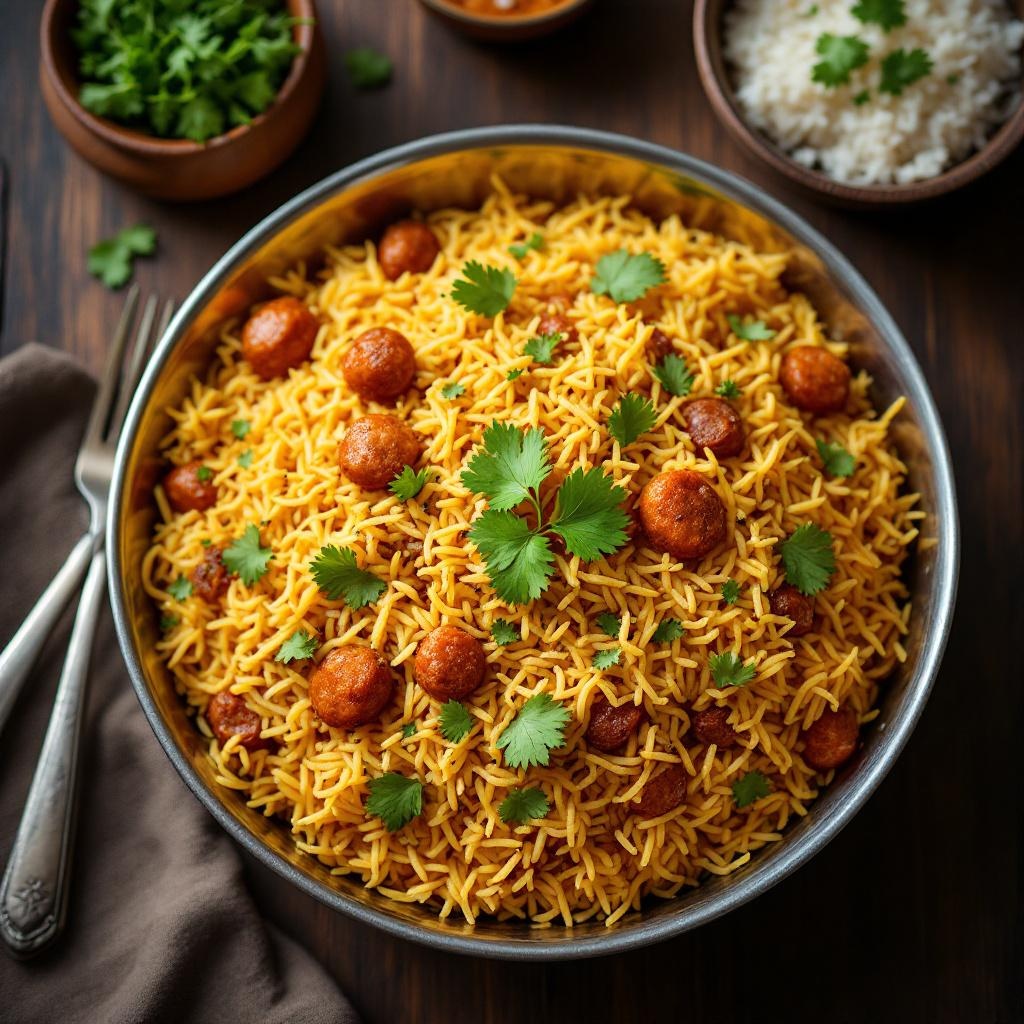
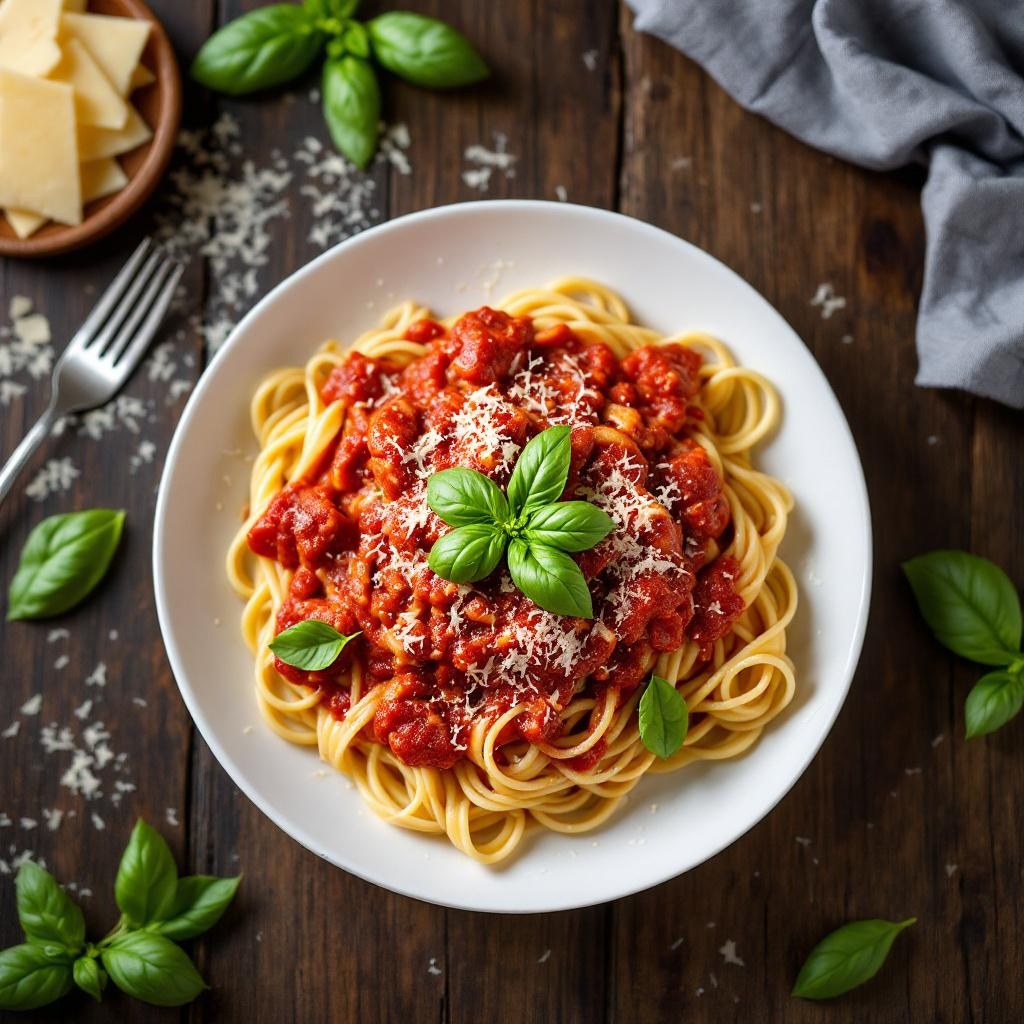
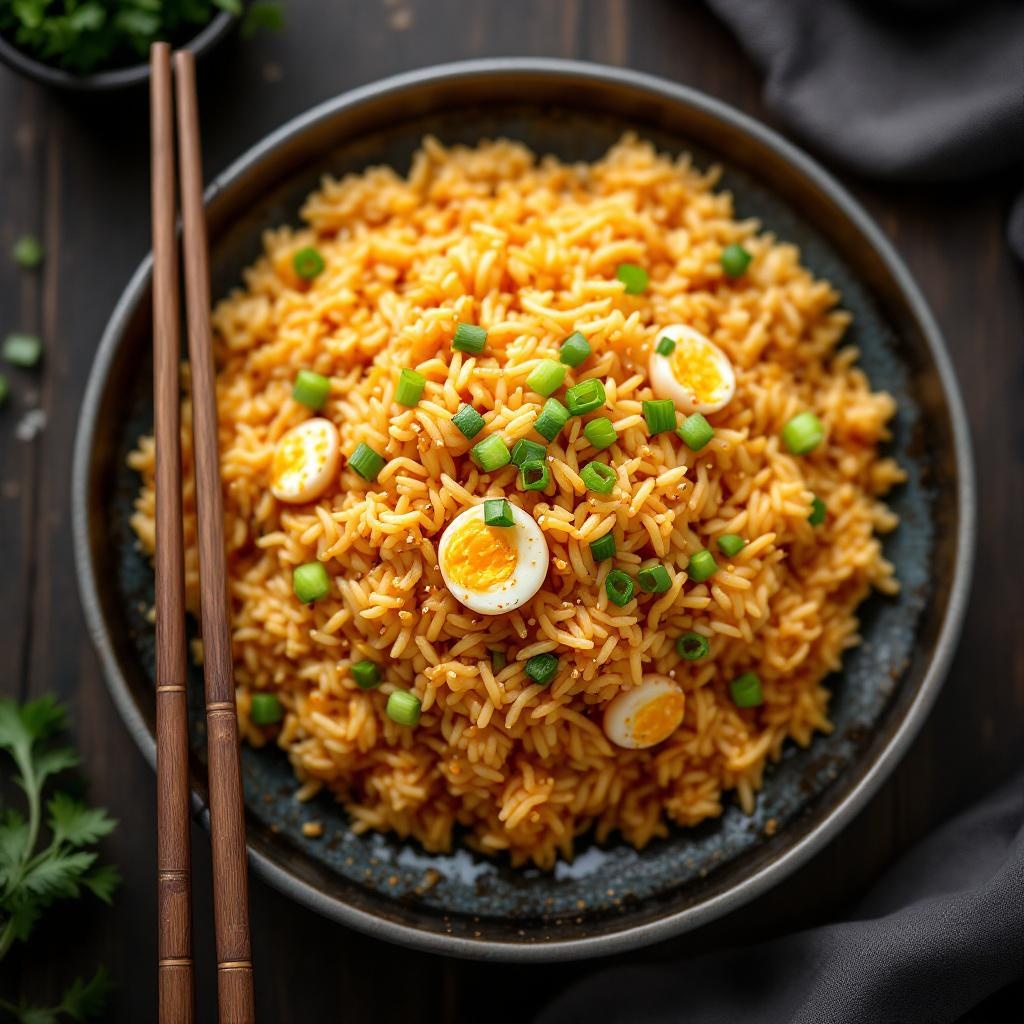
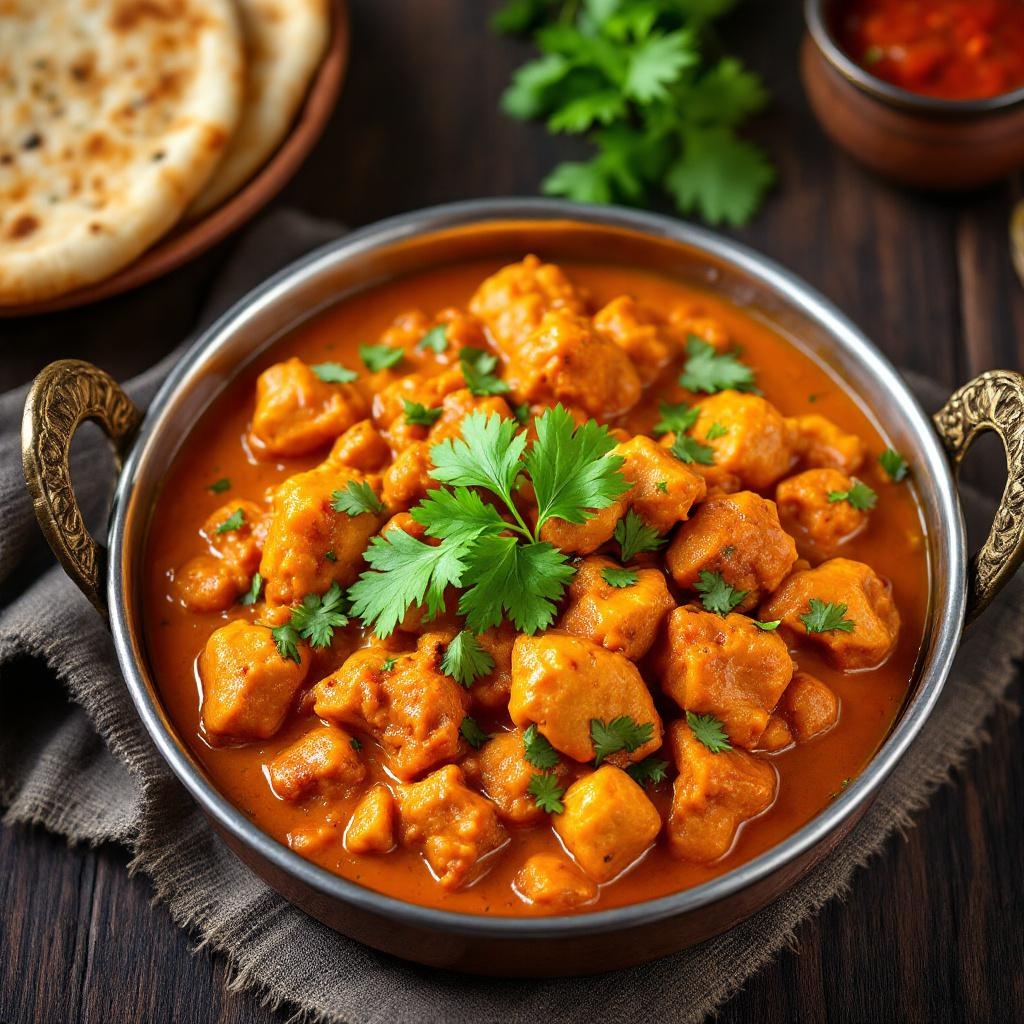
Your favorite dish at half the portion is still your favorite dish. Order it. Eat slowly. Stop when full. Take the rest home. GLP-1 naturally portion-controls — let it. The goal isn't to avoid foods you love. It's to eat them in amounts your body can actually use.
The Long Game
GLP-1 isn't forever for everyone. Your habits are.
Here's the statistic nobody wants to hear: in the STEP 1 extension trial, patients who stopped semaglutide regained two-thirds of their lost weight within one year. Not because the drug stopped working, but because the eating patterns hadn't changed underneath.
The medication suppresses appetite. It doesn't teach you to eat differently. That's your job. And this guide? This guide is the beginning of that job.
Build the protein habit NOW.
Whether you're on GLP-1 for 6 months or 6 years, prioritizing protein will serve you forever. The habit of eating protein first, choosing protein-rich options, and tracking your intake — that's muscle-preserving, metabolism-protecting behavior that works with or without medication.
Learn your cuisines.
You now know that chicken tikka has 31g protein at 220 cal. That khichdi is 220 cal of easy comfort. That edamame is a perfect snack. That pho hydrates and nourishes. This knowledge doesn't expire when your prescription does.
Track weekly, not daily.
The weekly budget mindset prevents the binge-restrict cycle that destroys long-term weight management. When you stop GLP-1 and appetite returns, the weekly budget keeps you grounded without making you anxious. Some days higher, some days lower. The week balances.
GLP-1 medication gives you a window of reduced appetite and accelerated loss. Use that window to build habits, learn nutrition, develop exercise routines, and understand food. The medication is the scaffold. The habits are the building.
Symptom Food Guide
Match what you're feeling to what to eat.
| Symptom | Best Foods | Avoid |
|---|---|---|
| Nausea | Khichdi, congee, miso soup, crackers, ginger tea, banana | Fried foods, spicy, strong-smelling |
| Constipation | Beans, fruit, oats, barley water, prunes, high-fiber dal | Cheese, white bread, processed food |
| Fatigue | Iron-rich: spinach, lentils, red meat. B12 foods: eggs, fish | Sugar spikes: juice, candy, pastry |
| Hair thinning | Eggs (biotin), nuts (zinc), lentils (iron), salmon (omega-3) | Extremely low-calorie days (<600) |
| Muscle cramps | Banana, coconut water, avocado (potassium), dairy (calcium) | Excessive caffeine, alcohol |
| Bloating | Small portions, ginger, peppermint tea, fennel, cooked veg | Carbonation, raw cruciferous veg, beans (ironic) |
| Taste changes | Aromatic foods: Thai, Indian curry, lemon/lime, fresh herbs | Bland/plain foods feel even more unappealing |
| Low appetite day | Bone broth, Greek yogurt, protein shake, smoothie | Skipping food entirely |
Can't eat much for 1–2 days? Prioritize fluids and protein only. Skip carbs and fat if you must. Your body has glycogen and fat reserves for energy. It does NOT have protein reserves. Muscle is the only "protein bank" and you don't want to make withdrawals.
Track It All in Calorique
Every dish in this guide — from khichdi to pho to carne asada — is in the app.
Search, log, and see how it fits your weekly budget.
3,000+ dishes from 50+ cuisines. Weekly budgeting built in.
AI-powered meal intelligence. Works offline.

Eat what you love. We'll balance the rest.
Important Disclaimer
This guide is for educational and informational purposes only. It is NOT medical advice and should NOT replace consultation with your physician, endocrinologist, registered dietitian, or other qualified healthcare provider.
GLP-1 receptor agonist medications (including semaglutide, tirzepatide, and liraglutide) are prescription medications with specific dietary considerations that vary by individual. Always follow your prescribing doctor's dietary recommendations.
The Calorique Experts are not medical professionals, registered dietitians, or licensed nutritionists. Calorie and nutrition data presented are estimates based on standard preparations and may vary.
Do not start, stop, or modify any medication or diet plan based on information in this guide without consulting your healthcare provider.
If you experience severe nausea, vomiting, abdominal pain, or other concerning symptoms, contact your doctor immediately.
Sources
- Wilding JPH, et al. "Once-Weekly Semaglutide in Adults with Overweight or Obesity." New England Journal of Medicine, 2021 (STEP 1 trial). DOI: 10.1056/NEJMoa2032183
- Jastreboff AM, et al. "Tirzepatide Once Weekly for the Treatment of Obesity." New England Journal of Medicine, 2022 (SURMOUNT-1). DOI: 10.1056/NEJMoa2206038
- American Society for Metabolic & Bariatric Surgery. "Nutritional Guidelines for GLP-1 RA Patients." 2024
- Mechanick JI, et al. "Clinical Practice Guidelines for the Perioperative Nutrition, Metabolic, and Nonsurgical Support of Patients Undergoing Bariatric Procedures." Endocrine Practice, 2023
- NIH Office of Dietary Supplements — Recommended Daily Allowances. ods.od.nih.gov