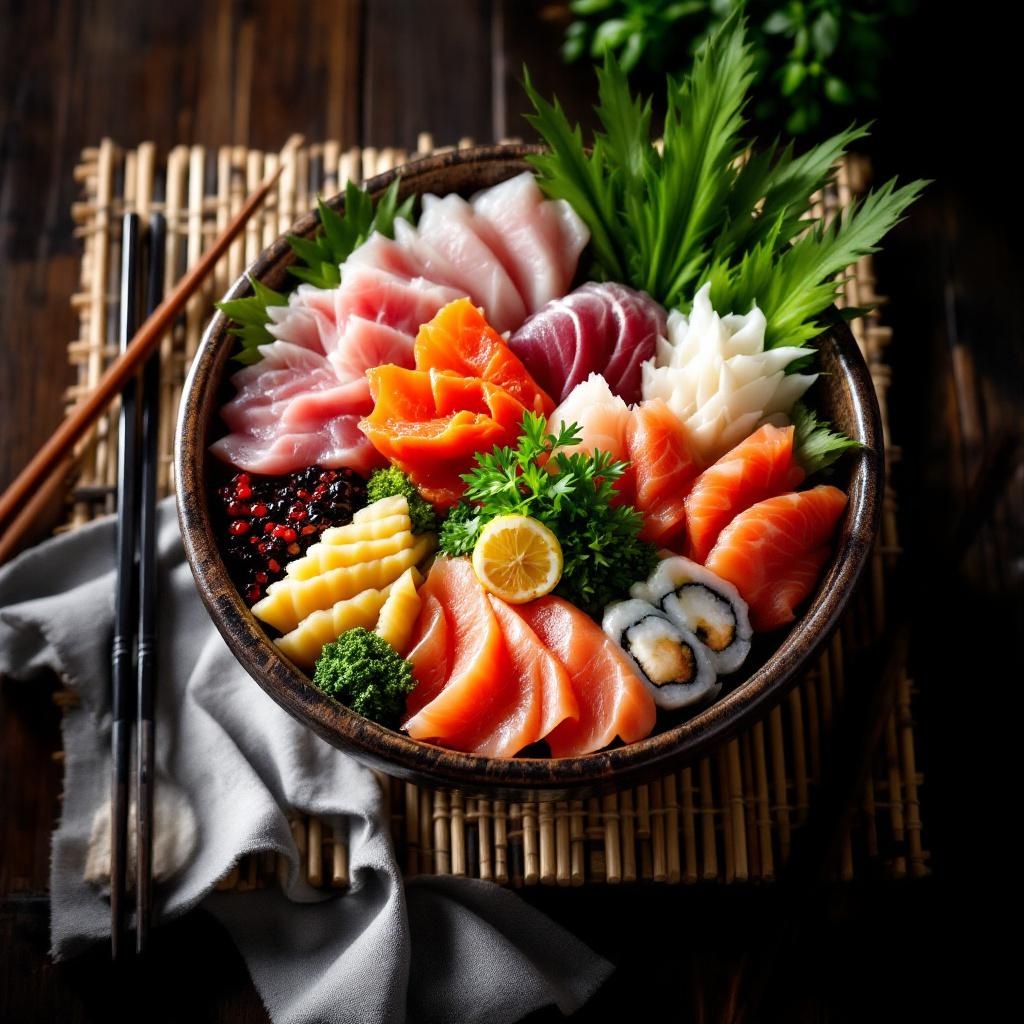
Welcome

You love Asian food. Of course you do. Roughly 60% of the world's population figured out how to cook, and they're responsible for some of the greatest dishes humanity has ever produced. Pho that takes 12 hours to make. Sushi where the rice temperature matters more than the fish. Pad Thai that a Bangkok street vendor can assemble in 90 seconds flat.

But you've been guessing the calories. "Stir fry, generic, 1 cup." That's what your tracking app gave you. As if Kung Pao Chicken and Pad See Ew and Bibimbap are the same food. They're not even the same country.

Here's the problem: 5 countries, hundreds of distinct dishes, and almost zero good calorie data. USDA lists "Chinese takeout, mixed" as a food. That's not a food. That's a surrender.

So we did the work. 100+ dishes across Chinese, Thai, Korean, Vietnamese, and Japanese cuisines. Real portions. Real macros. Real cultural context about how these foods are actually eaten — not how a database thinks they should be categorized.

— The Calorique Experts

The Asian Food Calorie Truth Everything you've heard is half-right.

Myth: "Asian food is healthy." Not automatically. A bowl of Tonkotsu ramen is 650 calories. General Tso's Chicken is 800+. Thai Massaman Curry with rice can clear 900. "Asian" is not a nutrition label.

Myth: "Asian food is unhealthy — too many carbs." Also wrong. The Okinawans in Japan eat rice at every meal and have the longest lifespan of any population ever studied (Willcox et al., 2007). Vietnamese cuisine averages 30-40% fewer calories per dish than American fare. The rice panic is overblown.

The real calorie drivers aren't what you think:

1. Cooking Oil

Restaurant stir-fry uses 3-5 tablespoons of oil per dish. That's 360-600 extra calories you never see. Home stir-fry: 1 tablespoon. Same dish, half the calories.

2. Coconut Milk

One cup of full-fat coconut milk: 445 calories. A single Thai curry can use 1-2 cups. That's the difference between a 350-cal and 750-cal dinner.

3. The Home vs. Restaurant Gap

Chinese takeout runs 40-60% more calories than home-cooked versions. More oil, more sugar in sauces, larger portions. A restaurant Kung Pao Chicken: ~520 cal. Homemade: ~320 cal. Same name, different food.

The Wok Science Why cooking method matters more than ingredients.

Here's something most nutrition guides won't tell you: stir-frying is one of the healthiest cooking methods on the planet. High heat, short cook time, minimal oil absorption. Vegetables retain more nutrients in a wok than they do boiled, steamed, or roasted. The Wok Hei — that smoky breath of the wok — isn't just flavor. It's speed. Food spends 2-3 minutes in a proper wok, not 30.

The problem isn't the wok. It's what restaurants do with it. A commercial kitchen pours 3-5 tablespoons of oil per stir-fry because it prevents sticking on their battered woks and makes everything glisten. At home, with a well-seasoned wok, you need one tablespoon. That's a 240-480 calorie difference per dish.

The Soy Sauce Myth

People avoid soy sauce because they think it's fattening. It's 8 calories per tablespoon. Eight. The concern with soy sauce is sodium (920mg per tbsp), not calories. Stop fearing soy sauce. Fear the oil.

MSG: Not the Enemy

Monosodium glutamate has zero calories. It's an amino acid salt that makes food taste more savory. The "Chinese Restaurant Syndrome" from the 1960s was debunked decades ago (WHO, 2003). MSG actually helps you use less salt and less sugar in cooking. Your grandmother's tomato sauce has natural MSG. So does parmesan cheese. And mushrooms. It's fine.

Deep-frying is the real calorie multiplier across all Asian cuisines. Tempura, Korean fried chicken, Chinese spring rolls, Vietnamese fried spring rolls — anything battered and fried absorbs 30-40% of its weight in oil. A piece of shrimp tempura is 60 calories. The same shrimp grilled? 20 calories. Know the difference.

The Light Side of Asian Cooking

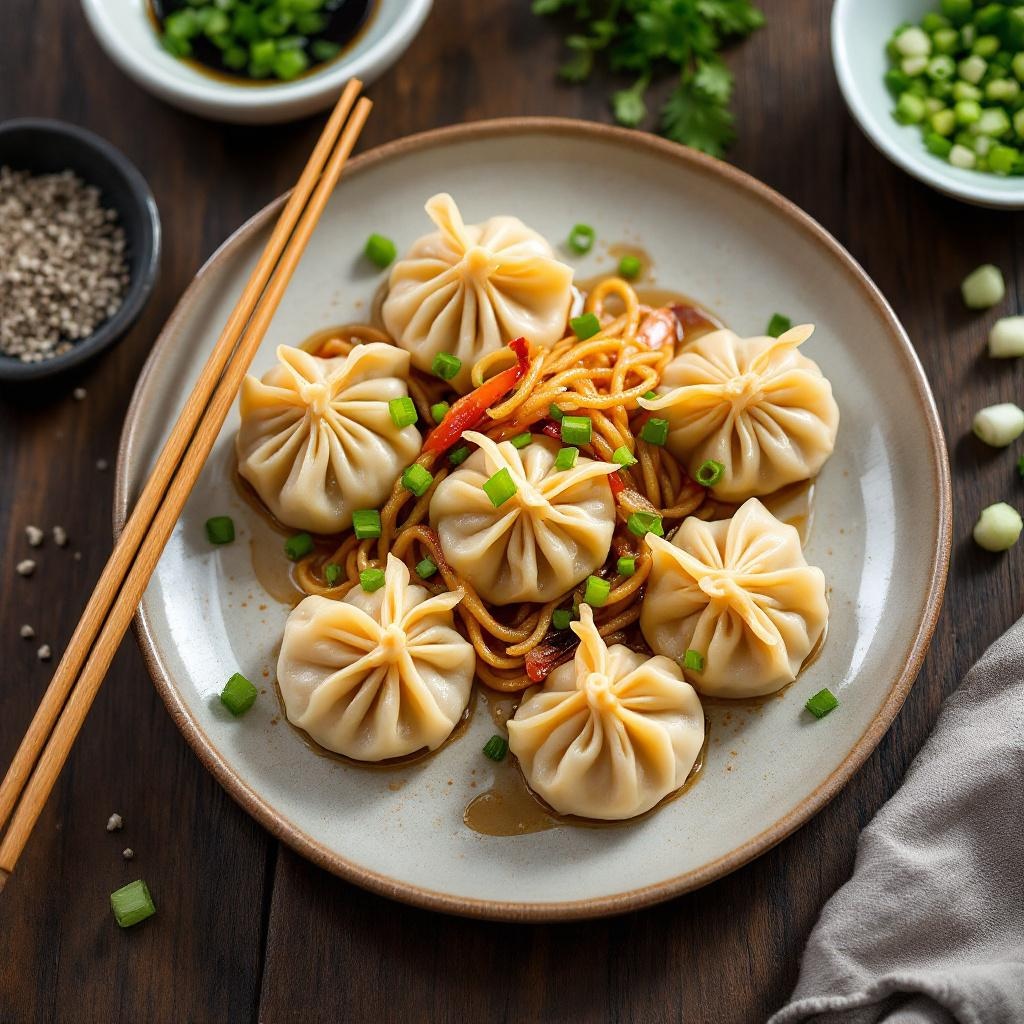
Steaming: The unsung hero. Dim sum steamers, Japanese chawanmushi, Korean steamed eggs, Vietnamese steamed rice rolls. Zero added fat. Pure flavor from the ingredients themselves. A steamed dumpling is 40-60 calories. A pan-fried one is 80-100. A deep-fried one is 120-150. Same filling, triple the calories.

Broth-based soups: Pho, tom yum, miso soup, Korean jjigae, wonton soup. These are some of the most satisfying, lowest-calorie meals in any cuisine. A bowl of pho is 350 calories. A bowl of tom yum goong is 200. They fill you up with liquid, protein, and flavor — not fat. The exception: tonkotsu ramen, where the broth is made from boiling pork bones for 12+ hours until it turns white and creamy. That's 650+ calories. Still worth it sometimes.

Fermentation: Korea's secret weapon. Kimchi, doenjang, gochujang — fermented foods are low-calorie, high in probiotics, and packed with umami. A serving of kimchi is 15 calories. Miso paste: 35 calories per tablespoon. These add enormous flavor for almost no caloric cost.

The Rice Question

One cup of cooked white rice: 200 calories. One cup of cooked brown rice: 215 calories. The difference is negligible. What matters is how much you eat. Japanese portions serve ~150g (190 cal). American-Chinese portions serve 300g+ (380+ cal). The rice isn't the problem. The portion is.

Chinese Cuisine Five regional styles. One massive cuisine.

Chinese food isn't one cuisine — it's at least eight. Cantonese (light, steamed, seafood-forward), Sichuan (fiery, numbing peppercorn), Hunan (smoky, vinegar-laced), Shanghai (sweet, braised), Northern (wheat noodles, dumplings, lamb). What Americans call "Chinese food" is mostly Cantonese-American, invented in San Francisco. Real Chinese cooking is far more varied — and often far lighter.
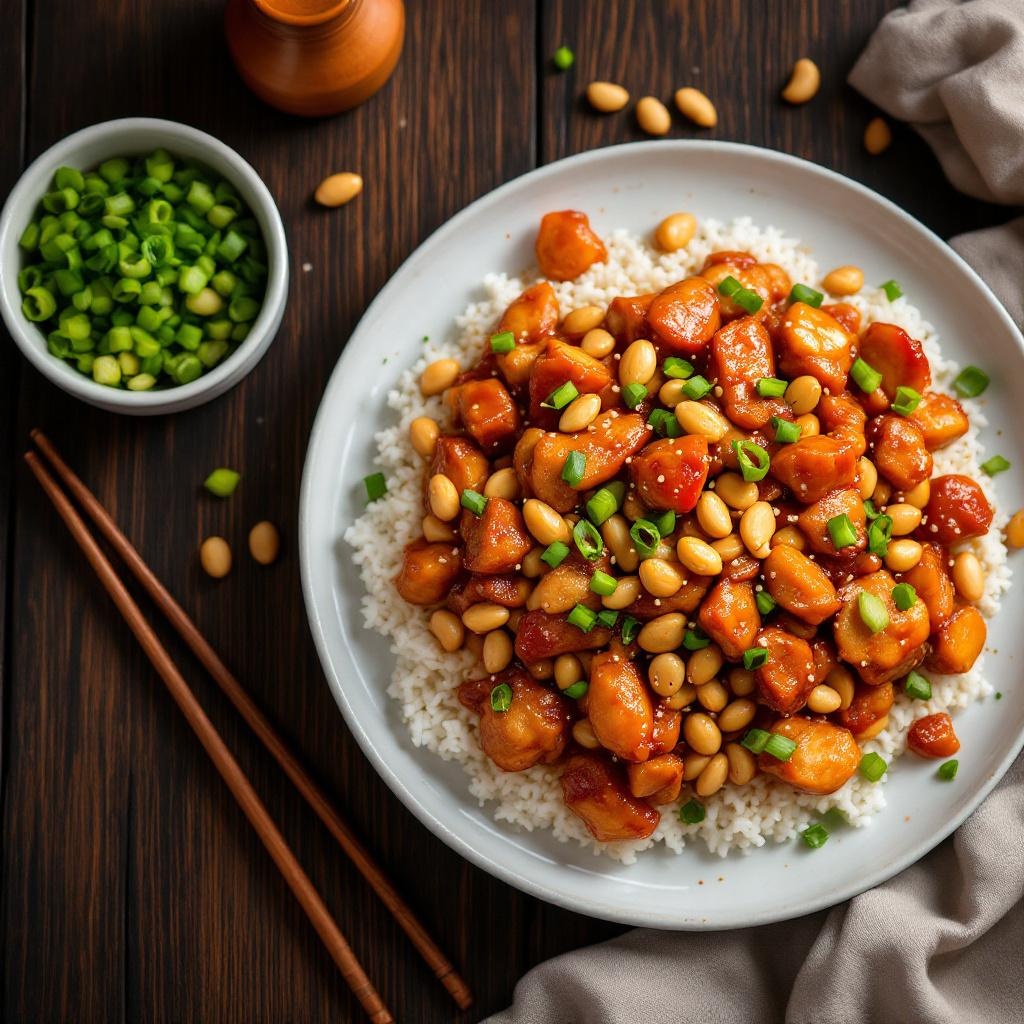
Kung Pao Chicken with peanuts and dried chilies, a classic Sichuan stir-fry dish
Kung Pao Chicken
1 cup (home-cooked)
320
Cal
28g
Protein
14g
Carbs
18g
Fat
Sichuan classic. The peanuts add 80 of those calories. Restaurant versions hit 520+ from extra oil and sugar.
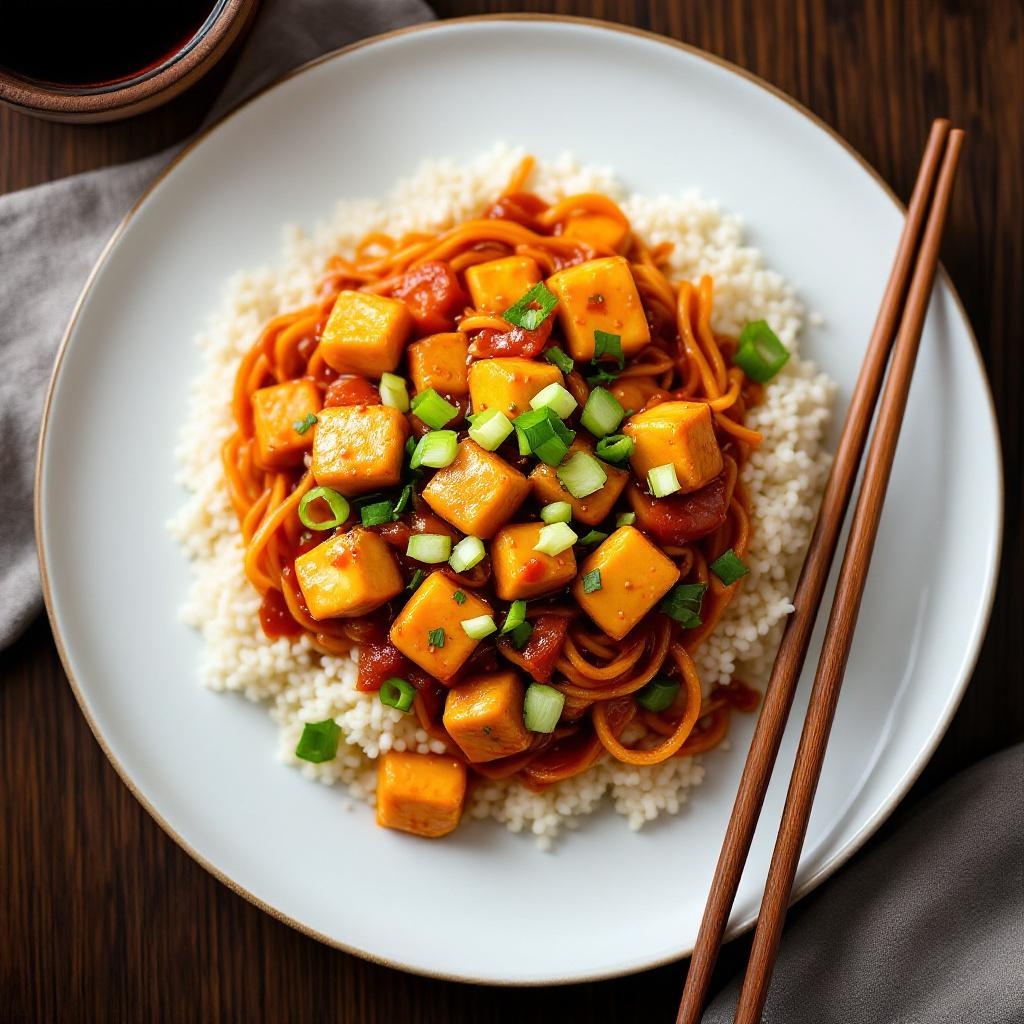
Mapo Tofu in a spicy red sauce with ground pork and Sichuan peppercorn
Mapo Tofu
1 cup
235
Cal
16g
Protein
8g
Carbs
16g
Fat
Sichuan comfort food. Silken tofu in a fiery, numbing sauce with ground pork. Surprisingly moderate calories for how rich it tastes.
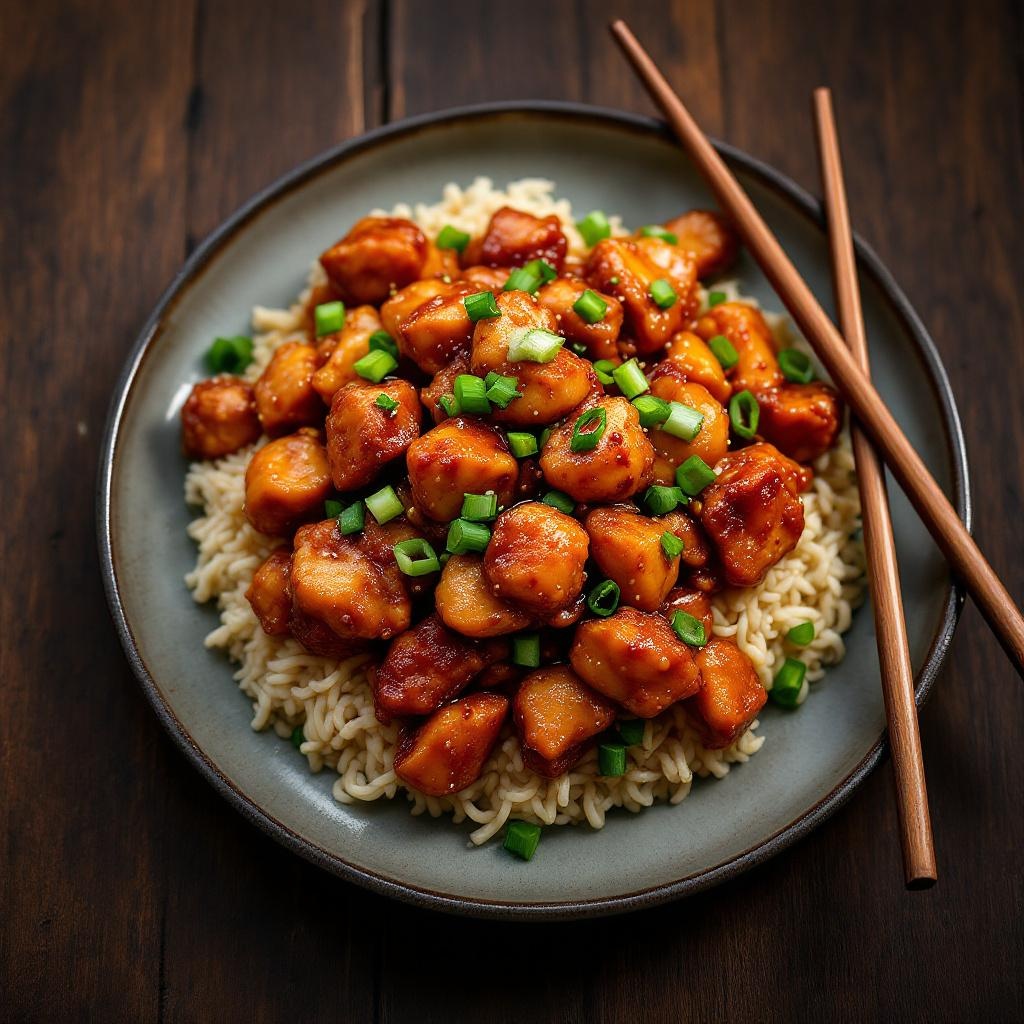
General Tso's Chicken, deep-fried chicken pieces in sweet chili sauce
General Tso's Chicken
1 cup (restaurant)
490
Cal
22g
Protein
36g
Carbs
28g
Fat
Invented in NYC in the 1970s. Doesn't exist in China. Battered, deep-fried, drenched in sweet sauce. A masterpiece of American-Chinese engineering.
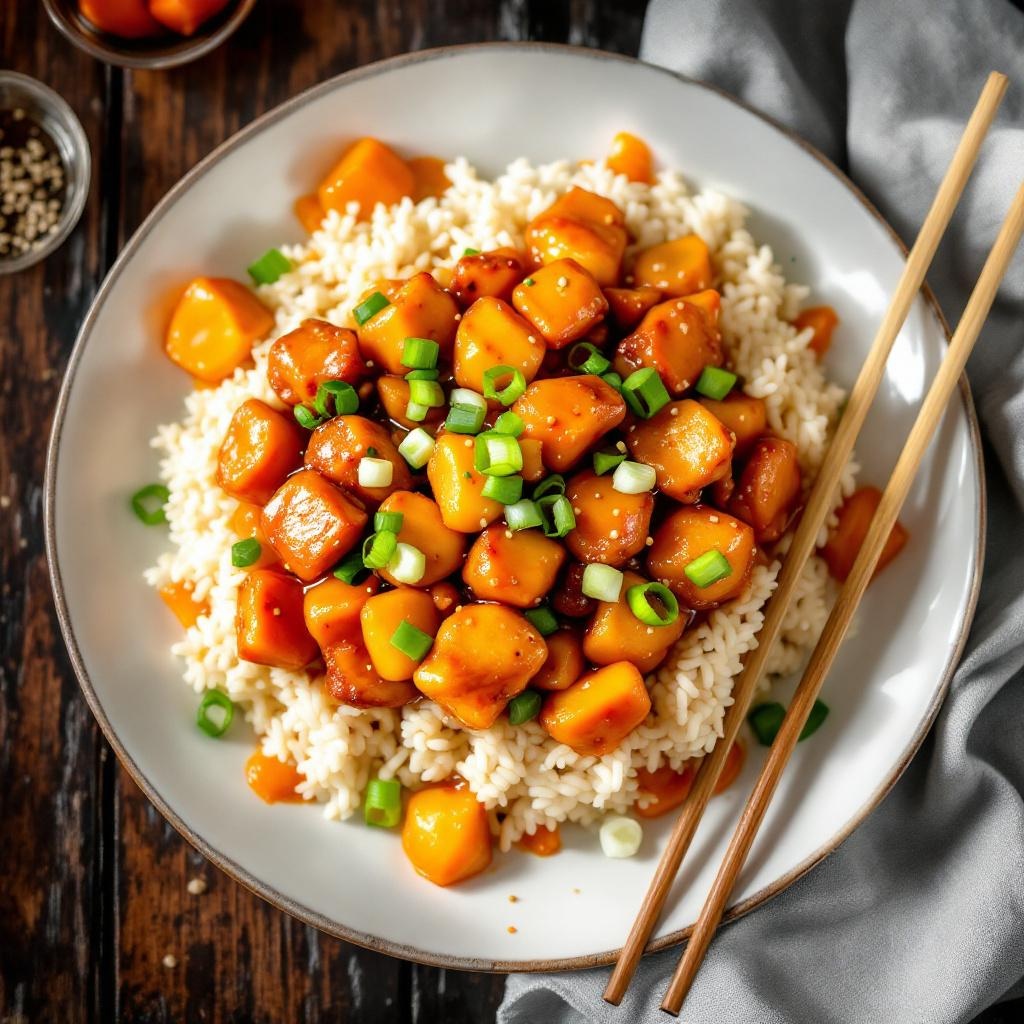
Orange Chicken with crispy battered pieces in orange glaze
Orange Chicken
1 cup (restaurant)
510
Cal
24g
Protein
42g
Carbs
26g
Fat
Panda Express serves 70 million pounds of this per year. Deep-fried + sugar glaze = Kung Pao's evil twin.
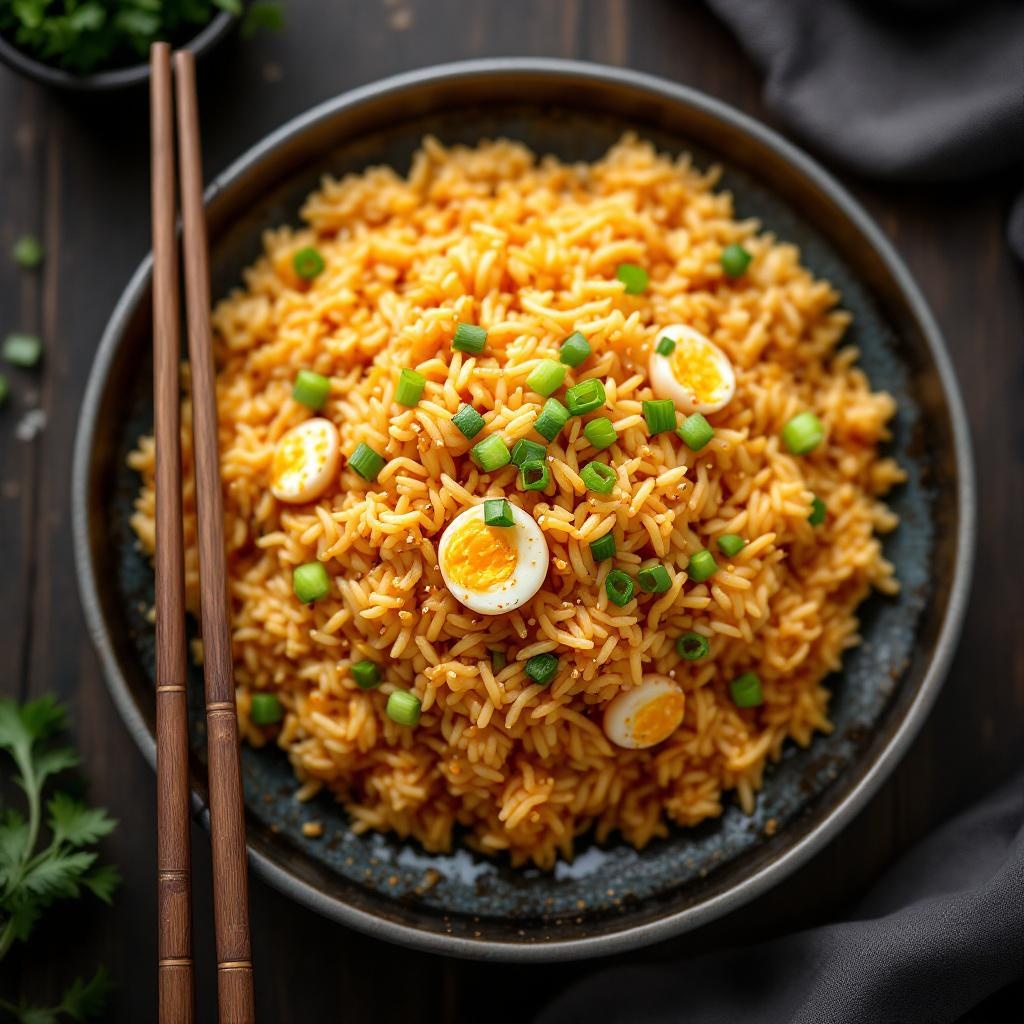
Chinese egg fried rice with scrambled eggs, scallions, and soy sauce
Fried Rice (Egg)
1 cup
340
Cal
10g
Protein
48g
Carbs
12g
Fat
Day-old rice is the secret — drier grains absorb less oil. Fresh rice = greasy fried rice = more calories. Your leftovers are doing you a favor.
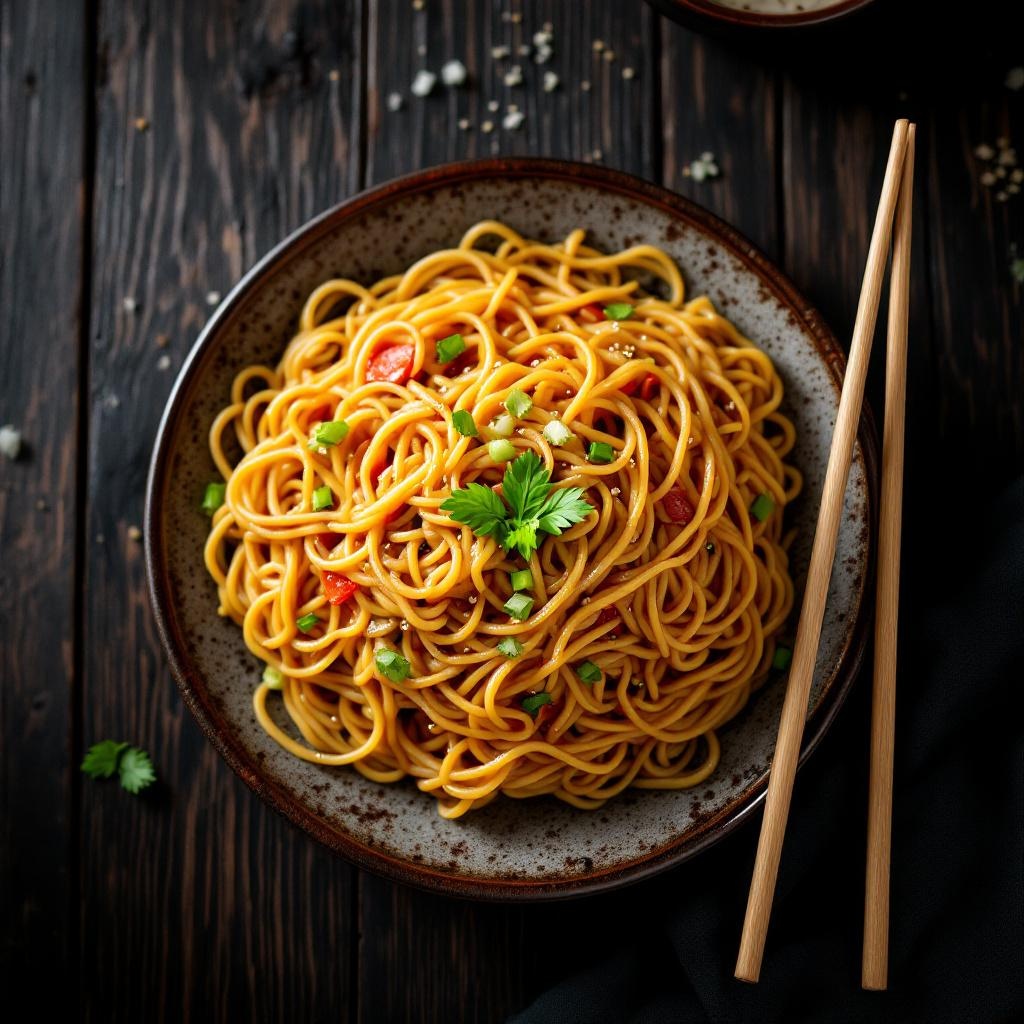
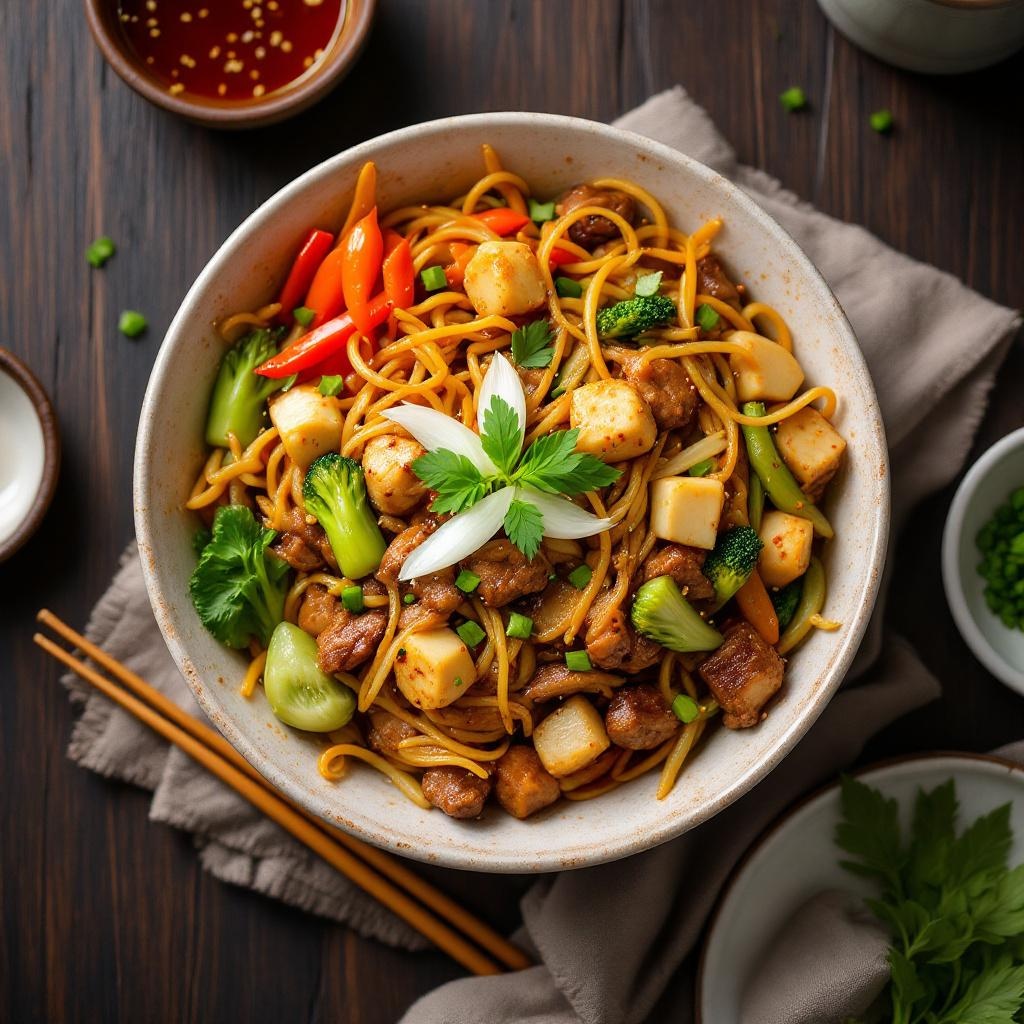
Chow Mein stir-fried noodles with vegetables
Chow Mein
1 cup
380
Cal
12g
Protein
46g
Carbs
16g
Fat
Crispy or soft noodles? Crispy are fried first, adding ~80 cal. Soft noodles stir-fried are the lighter move.
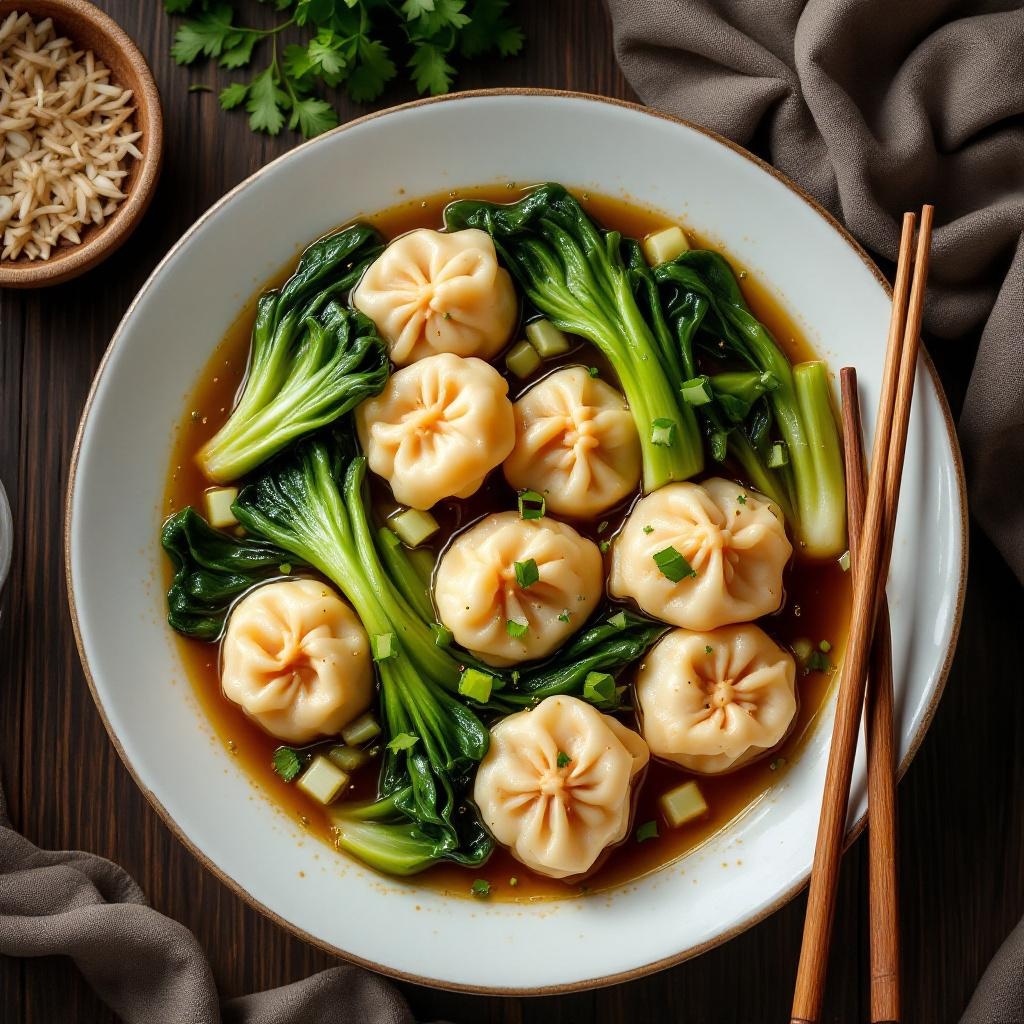
Cantonese wonton soup with pork dumplings in clear broth
Wonton Soup
1 bowl (8 wontons)
260
Cal
16g
Protein
28g
Carbs
8g
Fat
Cantonese comfort in a bowl. Broth-based, light, satisfying. One of the smartest starters at any Chinese restaurant.
Hot and Sour Soup with tofu, mushrooms, and bamboo shoots
Hot and Sour Soup
1 bowl
110
Cal
6g
Protein
12g
Carbs
4g
Fat
110 calories for a full bowl. Black vinegar, white pepper, tofu, wood ear mushrooms. Fills you up before the main course arrives.
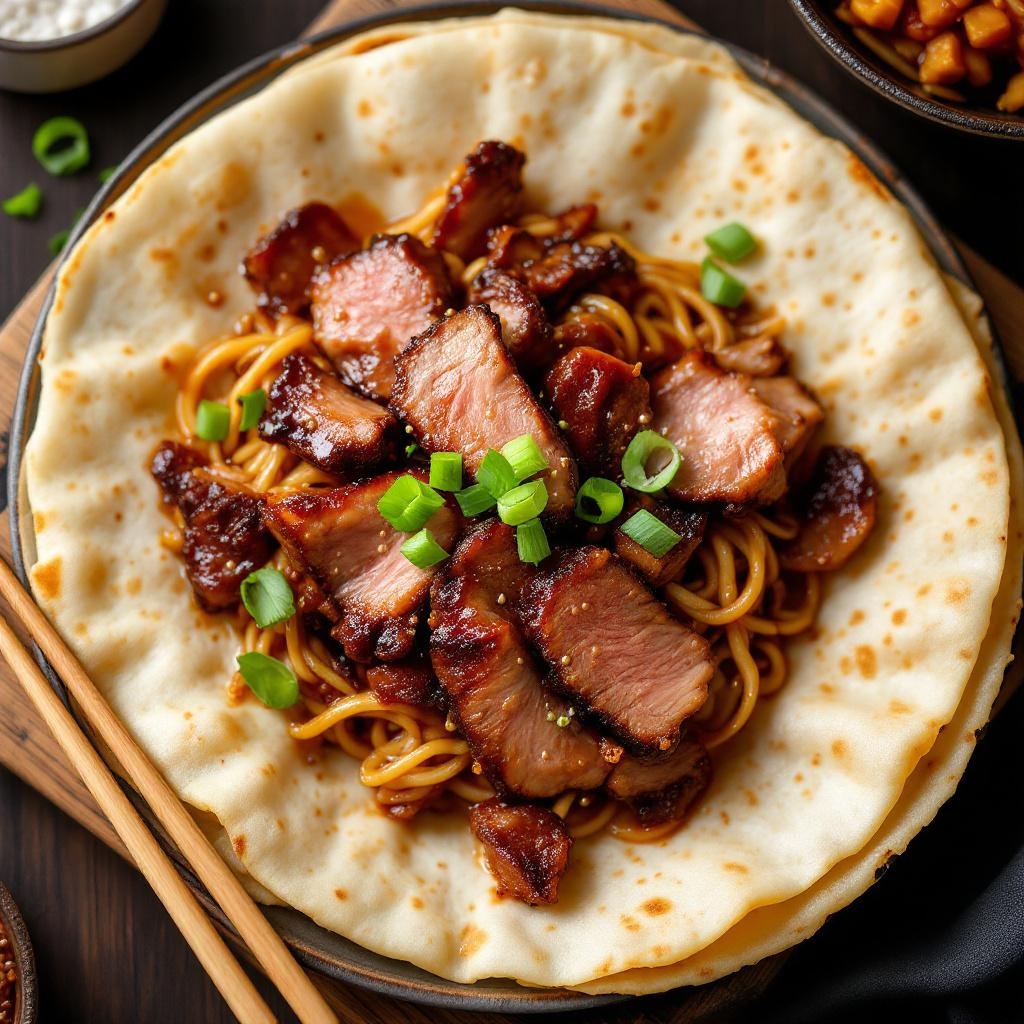
Peking Duck served with thin pancakes, scallions, and hoisin sauce
Peking Duck
4 pancakes with duck
420
Cal
22g
Protein
30g
Carbs
22g
Fat
Beijing's crown jewel. Air-dried for 24 hours, roasted until the skin crackles. Eaten in thin pancakes with scallion and hoisin. Worth every calorie.

Dim Sum Dishes

Har Gow translucent shrimp dumplings, classic Cantonese dim sum
Har Gow (Shrimp Dumpling)
4 pieces
165
Cal
10g
Protein
18g
Carbs
5g
Fat
Translucent wrappers, whole shrimp inside. The benchmark dim sum dish. Steamed = your best bet at the table.
Siu Mai open-topped pork and shrimp dumplings in a bamboo steamer
Siu Mai (Pork Dumpling)
4 pieces
200
Cal
12g
Protein
16g
Carbs
9g
Fat
Open-topped, pork-and-shrimp filled. Fattier than har gow because of the pork. Still reasonable at 50 cal per piece.
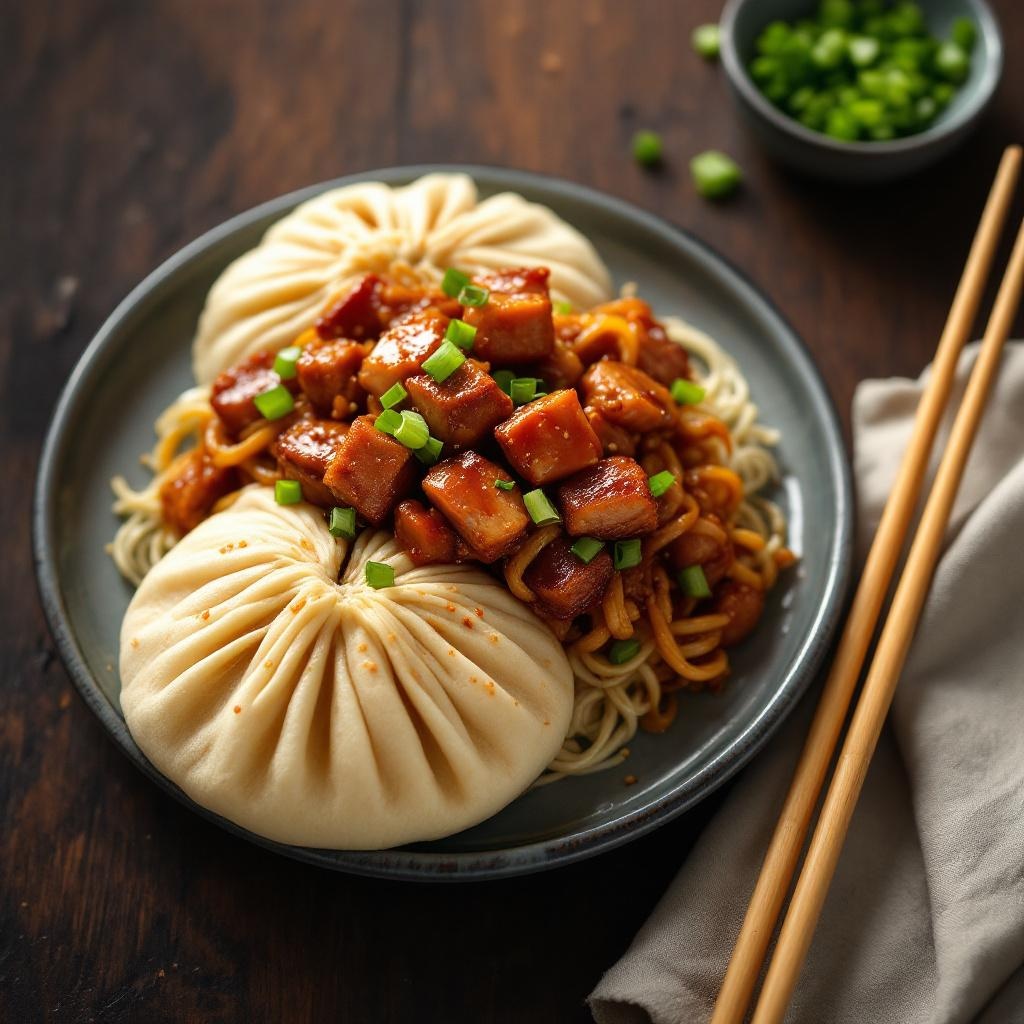
Char Siu Bao fluffy steamed BBQ pork bun
Char Siu Bao (BBQ Pork Bun)
1 bun
185
Cal
7g
Protein
26g
Carbs
6g
Fat
That fluffy white bun with sweet BBQ pork inside. Two of these = 370 cal. A meal's worth of dim sum if you're not careful.
The Dim Sum Trap

Dim sum feels light because everything is small. But 2 har gow (82) + 2 siu mai (100) + 1 char siu bao (185) + 1 cheung fun (140) + 1 egg tart (180) + turnip cake (130) = 817 calories. Six "small plates." Nearly half a day's budget. Order smart: 3-4 plates is a meal.

More Chinese Classics
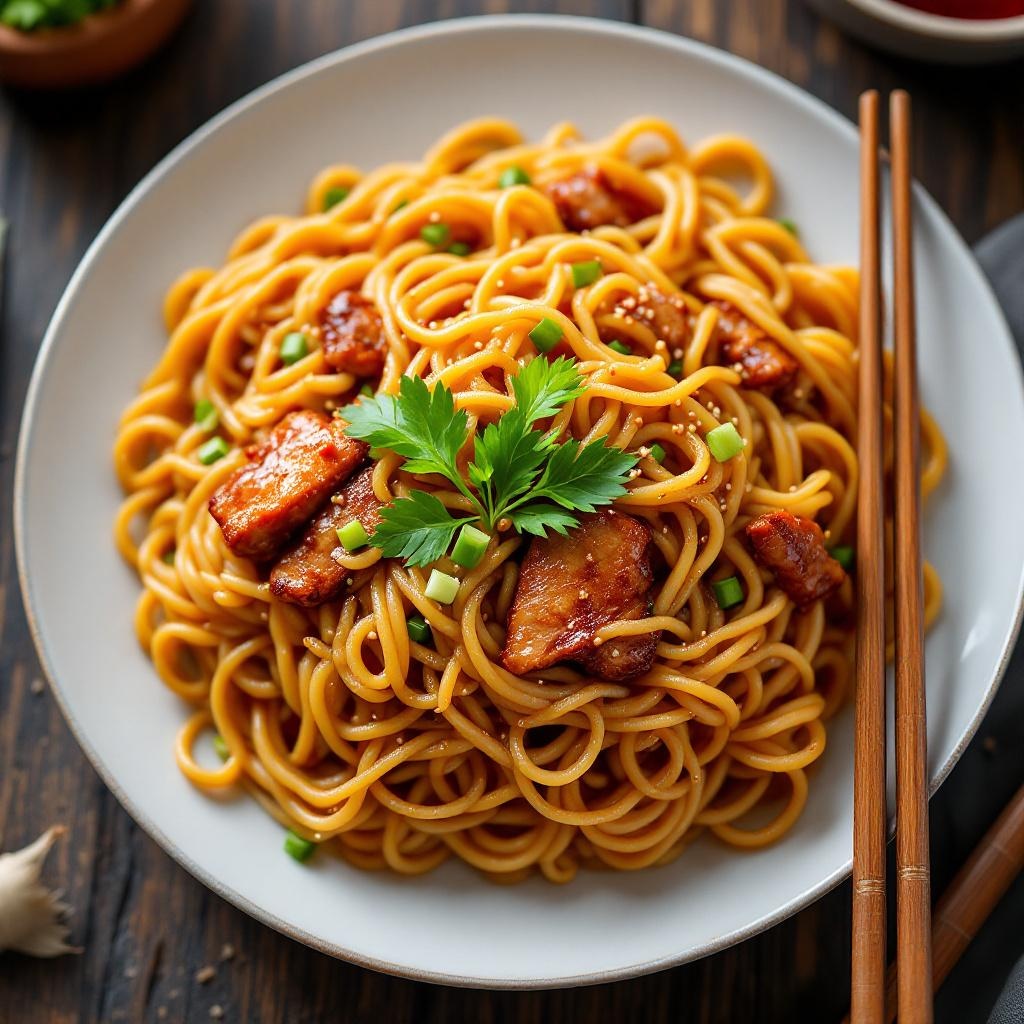
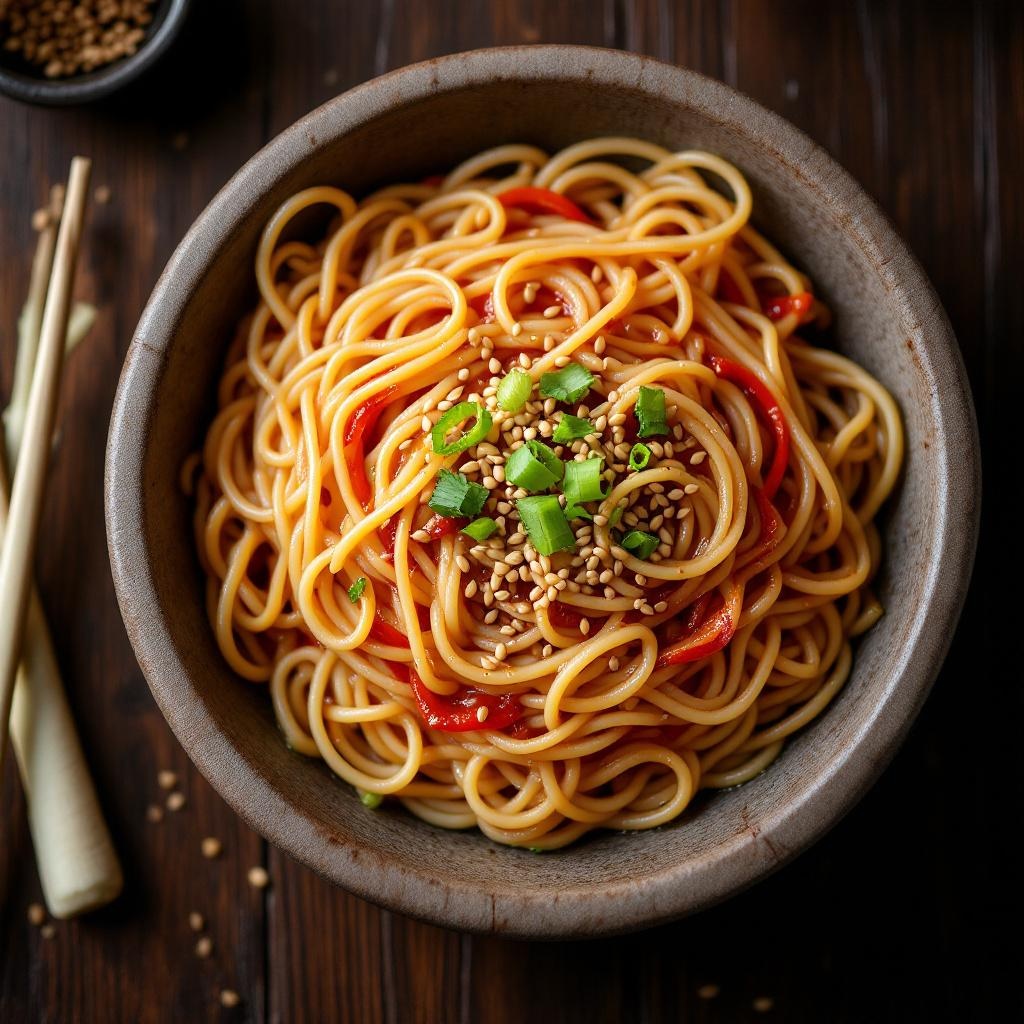
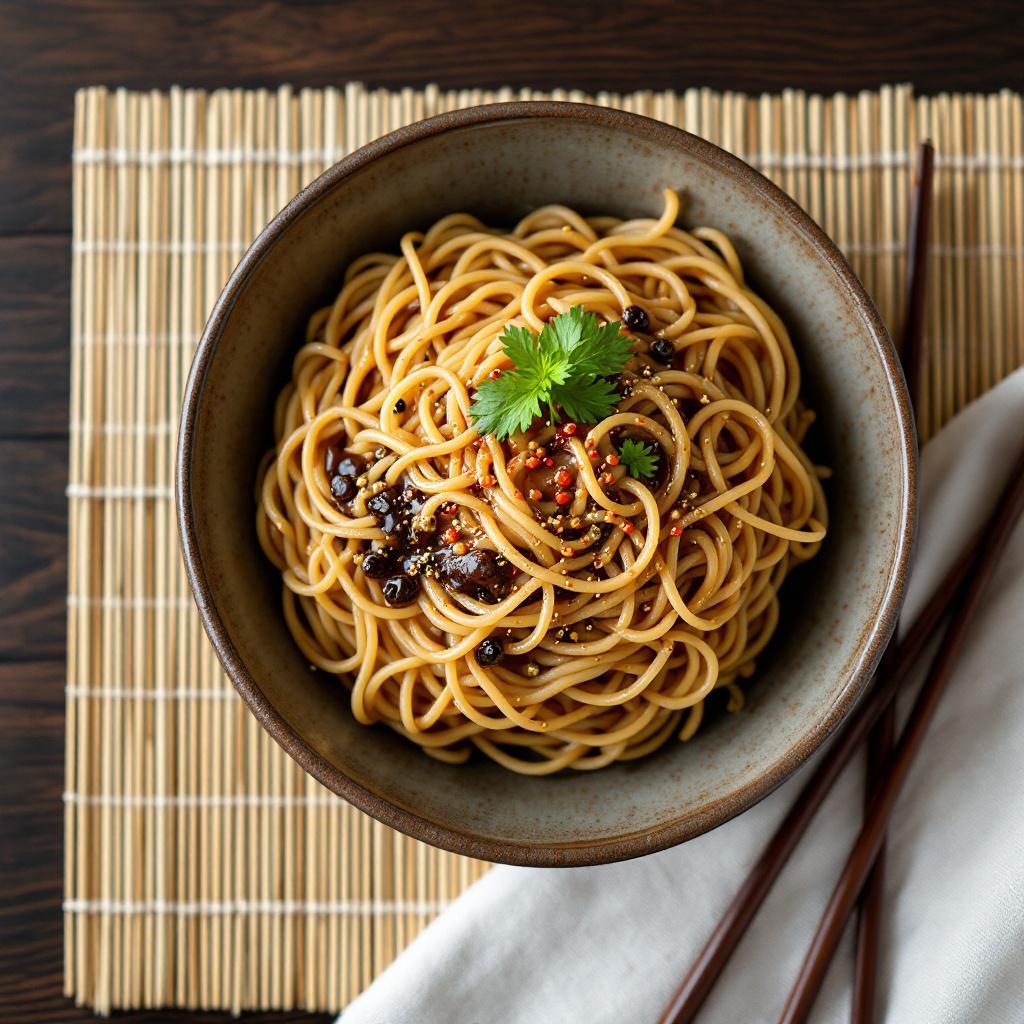
Dan Dan Noodles with sesame paste and chili oil from Sichuan
Dan Dan Noodles
1 bowl
440
Cal
18g
Protein
48g
Carbs
20g
Fat
Sichuan street noodles. Sesame paste and chili oil carry most of the fat. Smaller bowls in Chengdu; American bowls are 1.5x larger.
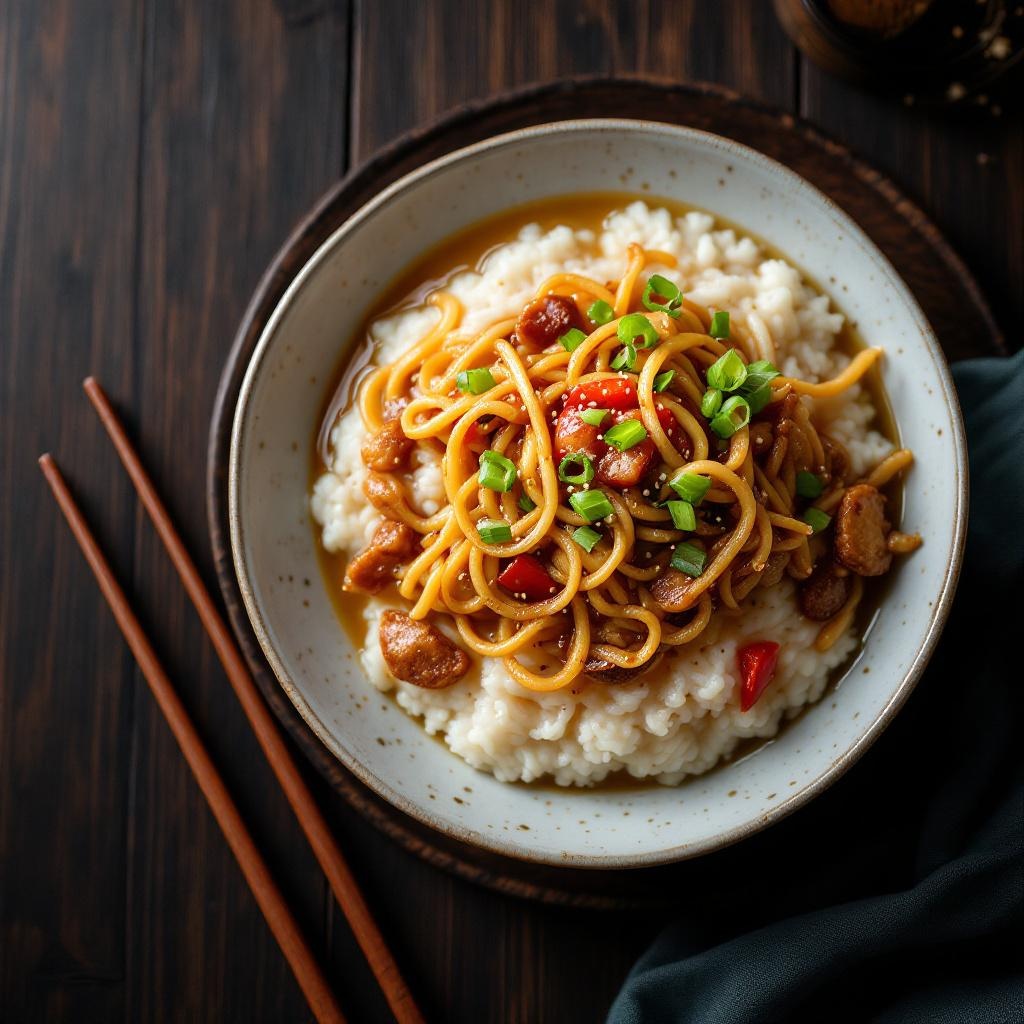
Congee plain rice porridge, a traditional Chinese breakfast
Congee (Rice Porridge)
1 bowl (plain)
120
Cal
3g
Protein
26g
Carbs
0.5g
Fat
China's breakfast staple. 120 cal for a warm, filling bowl. Add century egg + pork and it's 250. Still lighter than most breakfasts on earth.
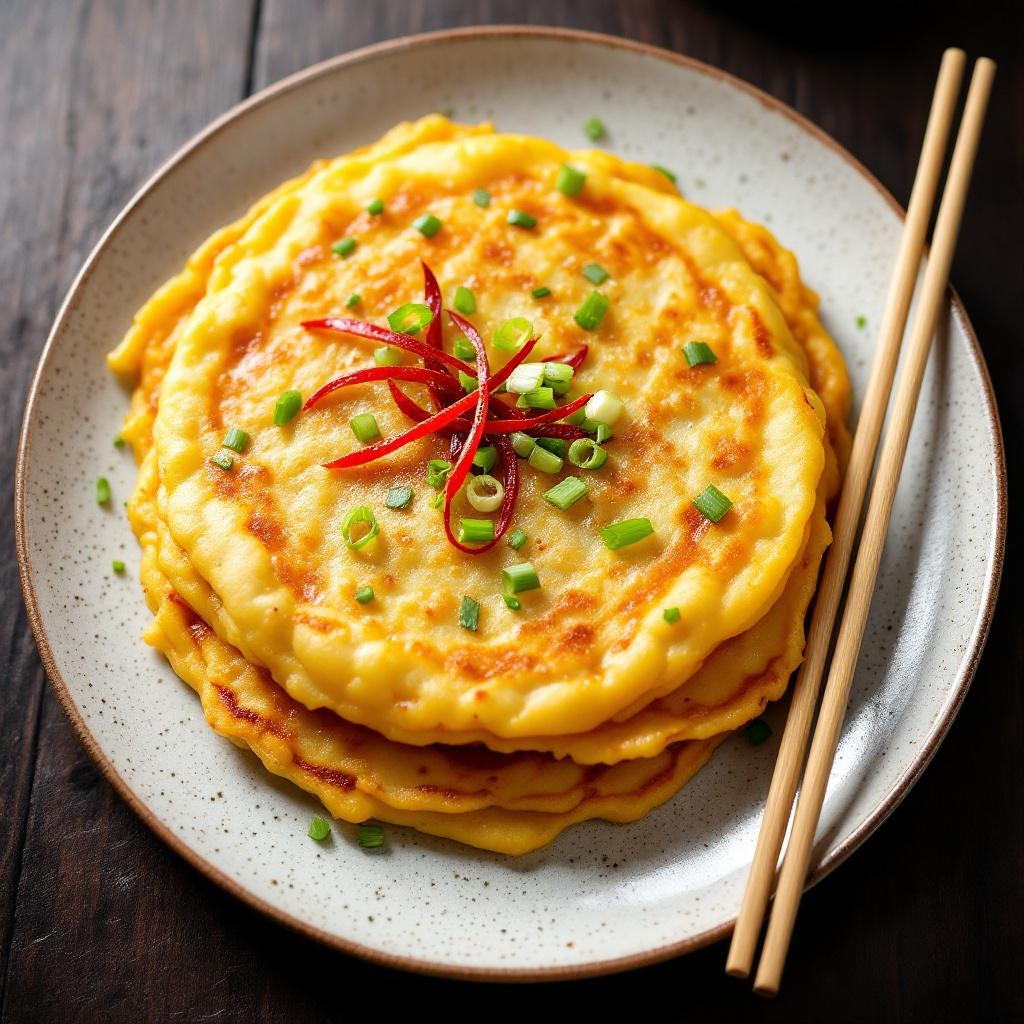
Shanghai-style scallion pancake, flaky and golden
Scallion Pancakes
1 pancake
230
Cal
4g
Protein
28g
Carbs
12g
Fat
Layers of flaky dough with scallions, pan-fried until golden. Shanghai's greatest appetizer. The layers trap oil — that's where the fat lives.
Sichuan hot pot with bubbling spicy chili oil broth
Sichuan Hot Pot
Typical serving (mixed)
650
Cal
40g
Protein
30g
Carbs
42g
Fat
The broth alone can be 200+ cal from all that chili oil floating on top. Lean proteins + vegetables = 400 cal. Add fatty meats + noodles = 800+. You control the math.
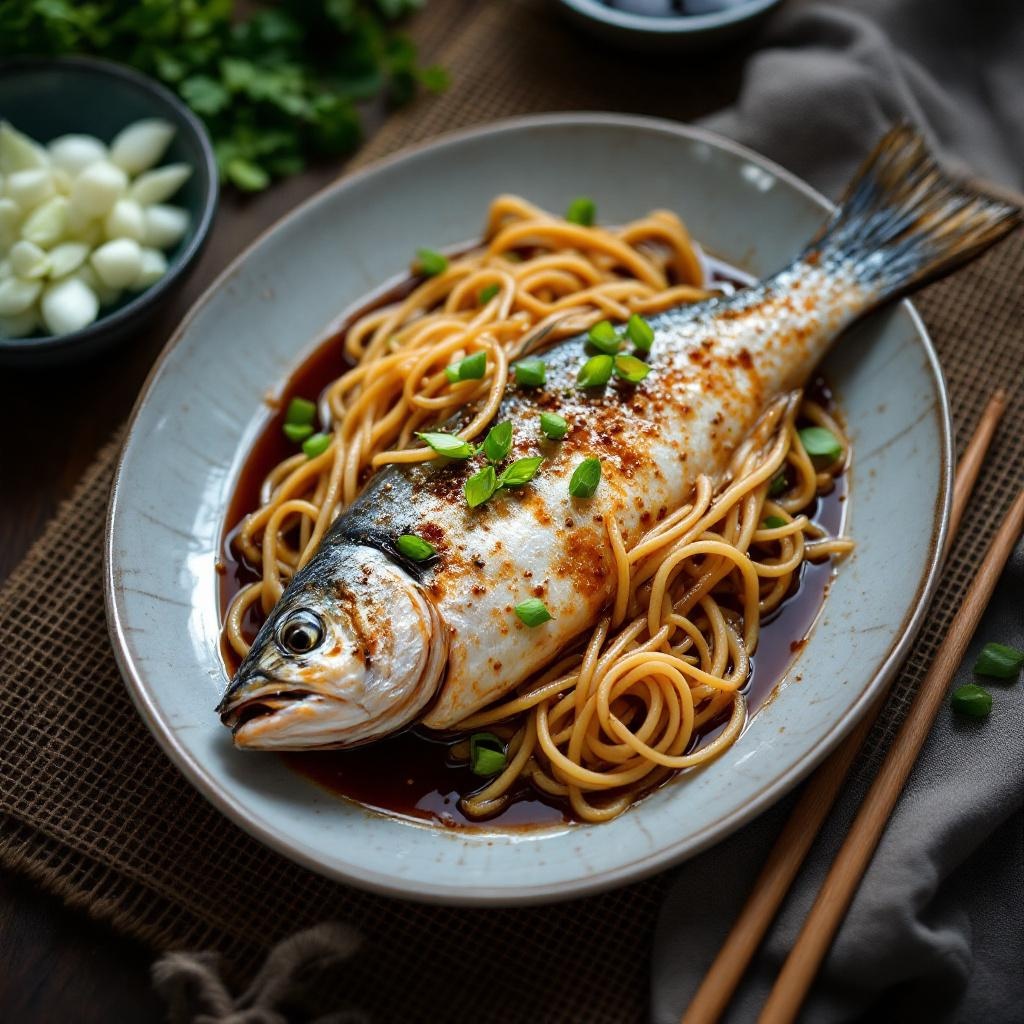
Cantonese steamed fish fillet with ginger, scallion, and soy sauce
Cantonese Steamed Fish
1 fillet portion
190
Cal
30g
Protein
3g
Carbs
6g
Fat
Cantonese cooking at its purest. Fresh fish, ginger, scallion, a splash of hot oil and soy sauce. 190 calories. 30g protein. The smartest dish on any Chinese menu.
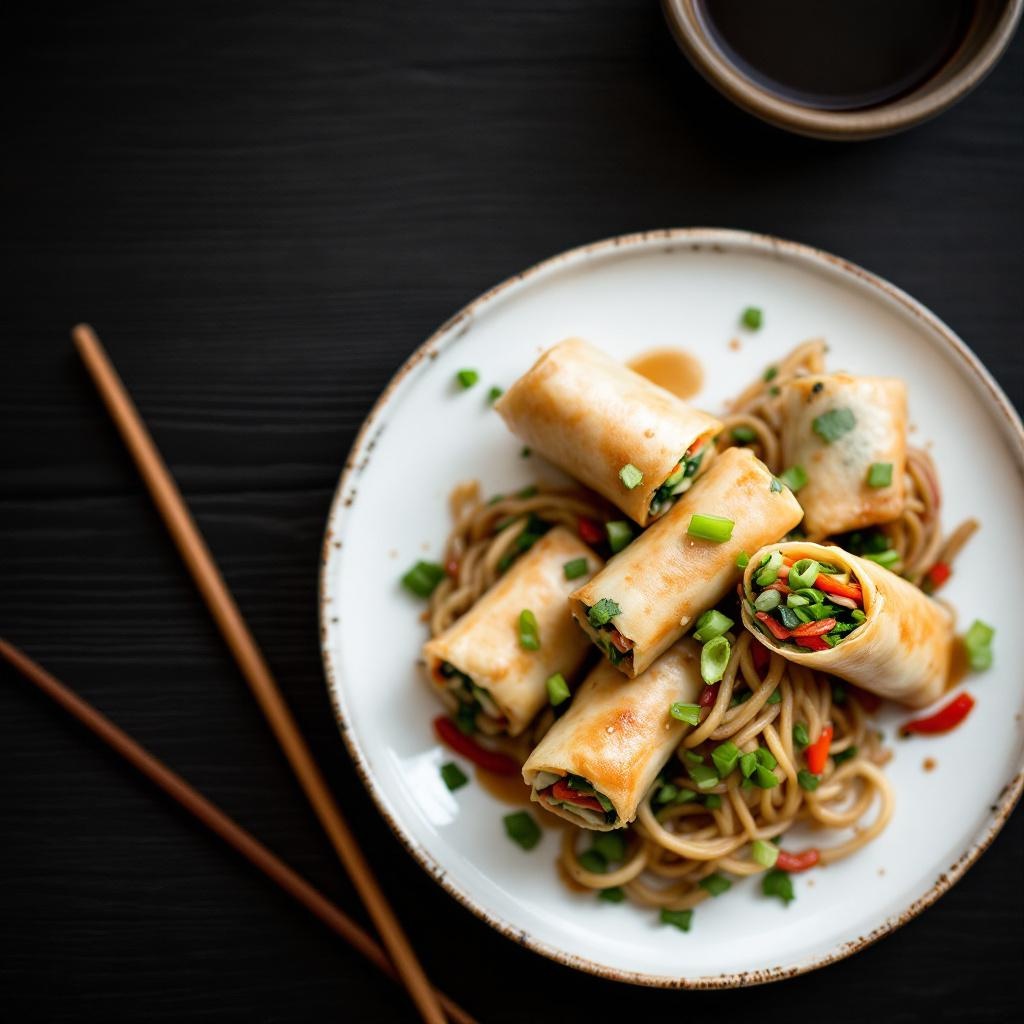
Chinese fried spring rolls, golden and crispy
Spring Rolls (Fried)
2 rolls
220
Cal
6g
Protein
22g
Carbs
12g
Fat
Crispy, golden, impossible to stop at two. The wrapper absorbs oil like a sponge. Fresh spring rolls (unfried): 80 cal for two. Choose wisely.
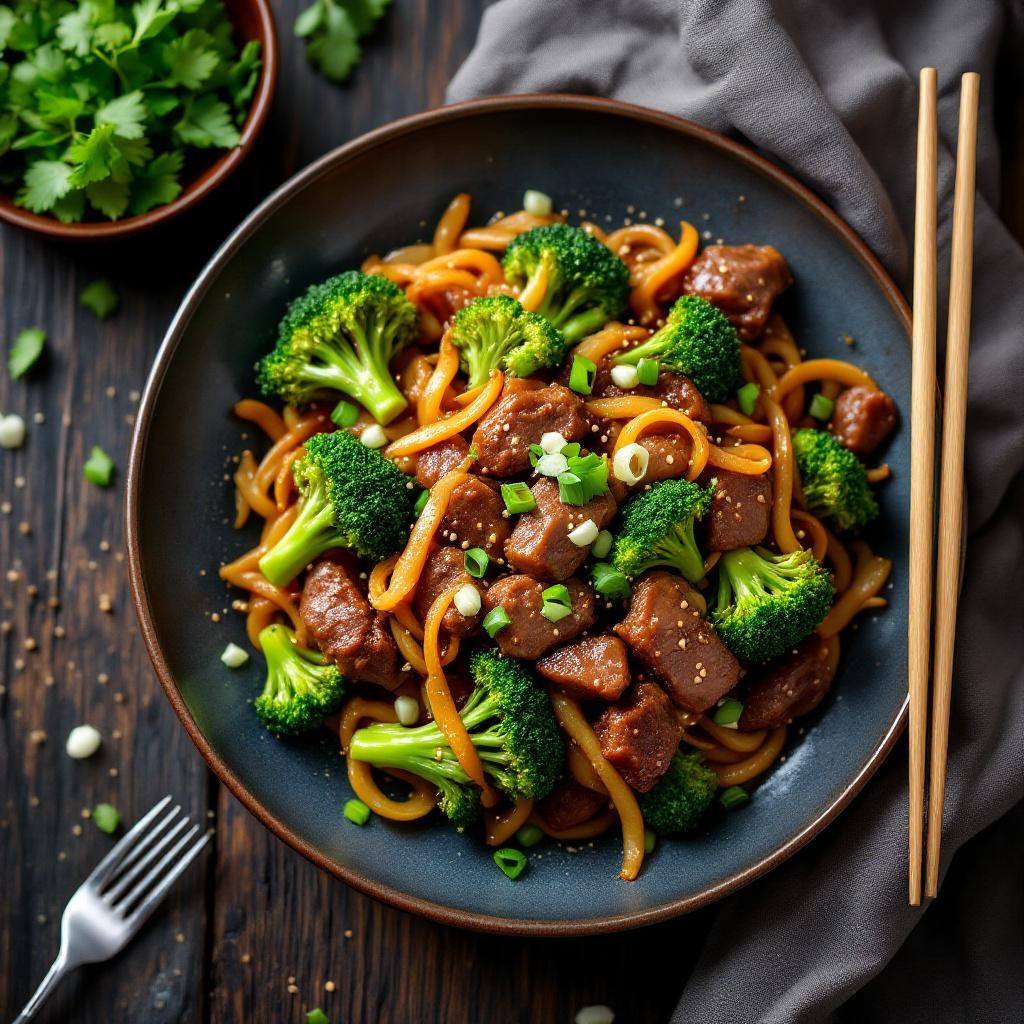
Beef and broccoli stir-fry in oyster sauce
Beef and Broccoli
1 cup
290
Cal
24g
Protein
12g
Carbs
16g
Fat
One of the better restaurant choices. Lean beef, high-volume broccoli, oyster sauce. Skip the rice and it's a solid 290-cal protein meal.

Thai Cuisine Five flavors. One perfect balance.

Thai cooking is built on five pillars: sweet, sour, salty, bitter, spicy. Every great Thai dish balances at least three. Palm sugar, fish sauce, lime juice, chili, and fresh herbs — that's the toolkit. The genius of Thai food is that it makes you feel like you're eating something indulgent when many dishes are surprisingly moderate. The trap? Coconut milk. One cup of the full-fat stuff is 445 calories, and curries use it generously.
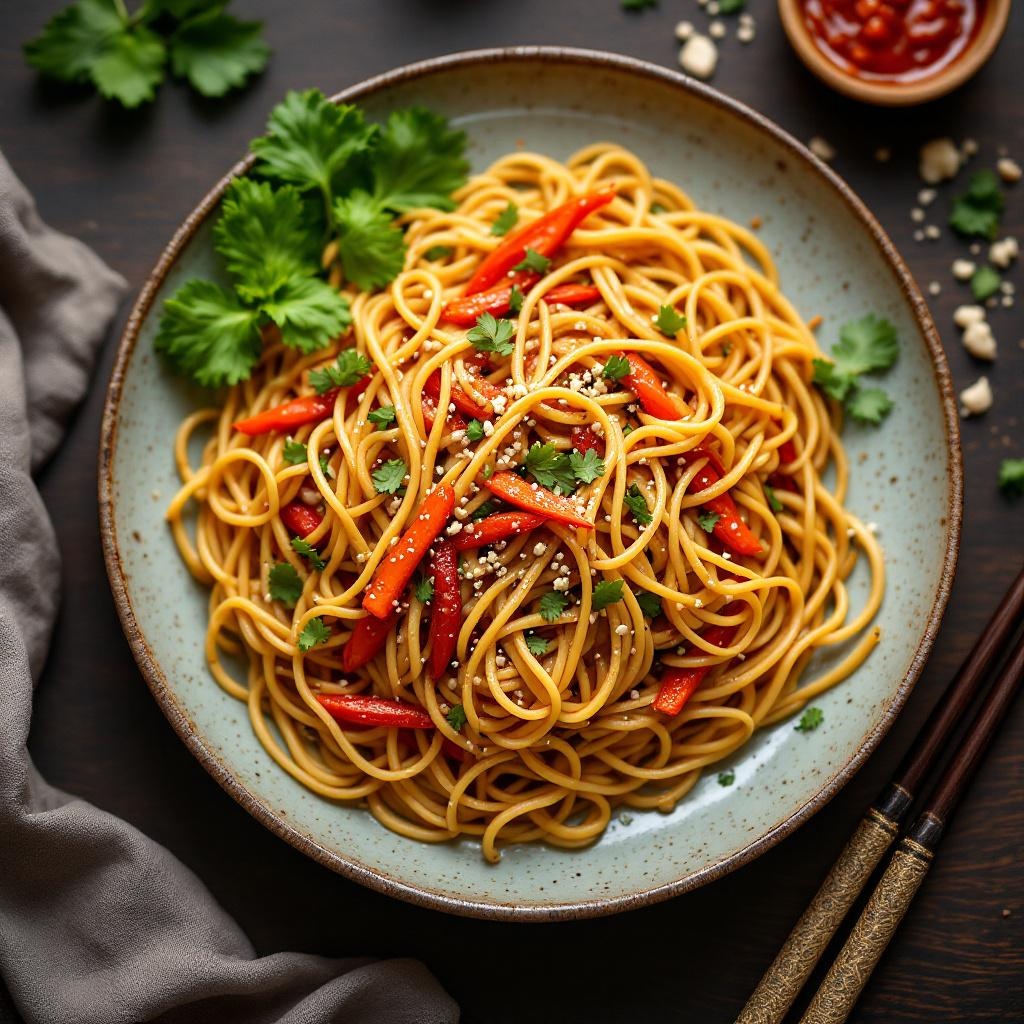
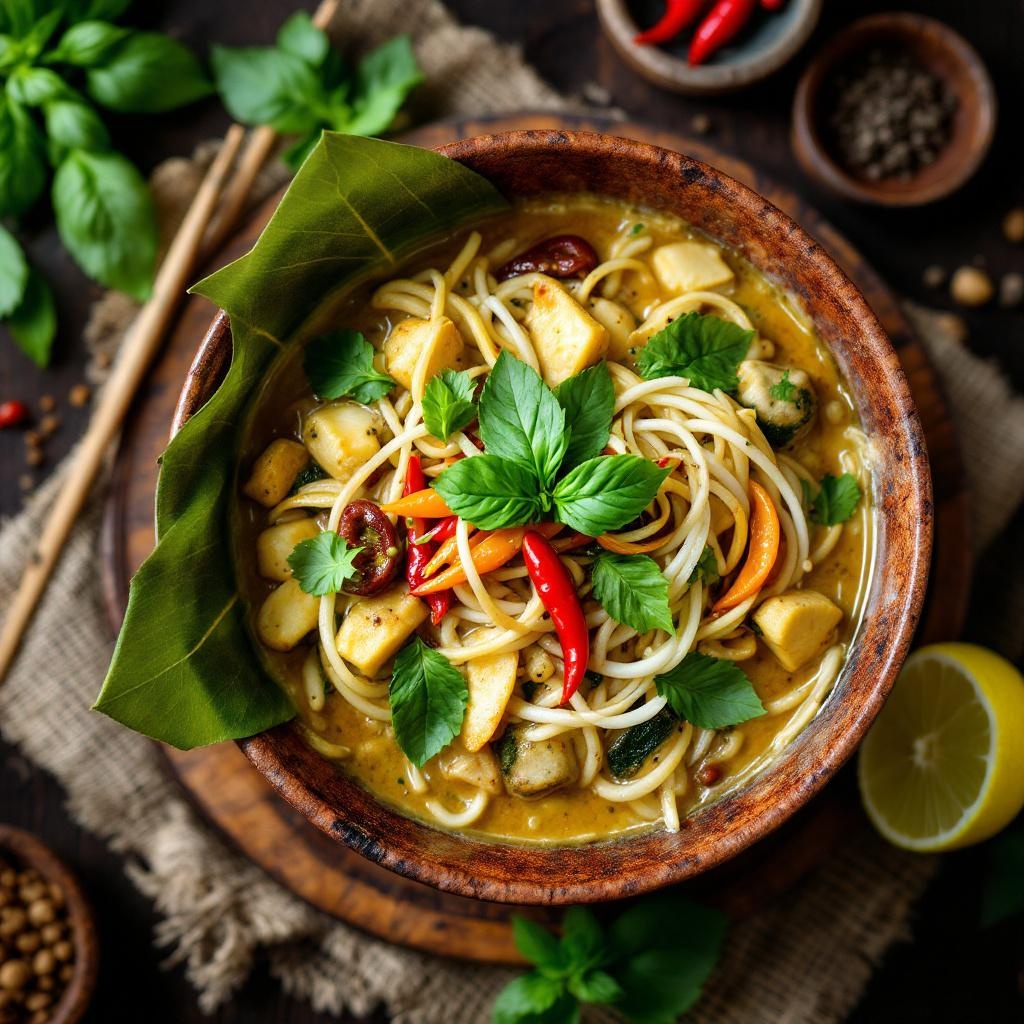
Pad Thai stir-fried rice noodles with shrimp, peanuts, and lime
Pad Thai
1 plate (street portion)
380
Cal
16g
Protein
52g
Carbs
12g
Fat
Thailand's ambassador dish. Street vendors use less oil and smaller portions. American restaurant Pad Thai: 550+ cal. The tamarind sauce is mostly sugar.
Thai Green Curry with chicken, Thai basil, and coconut milk
Green Curry with Chicken
1 cup (with rice)
480
Cal
22g
Protein
42g
Carbs
24g
Fat
The coconut milk is 60% of the calories. Ask for "light coconut" and it drops to ~380. Thai basil and green chilies do the flavor work for free.
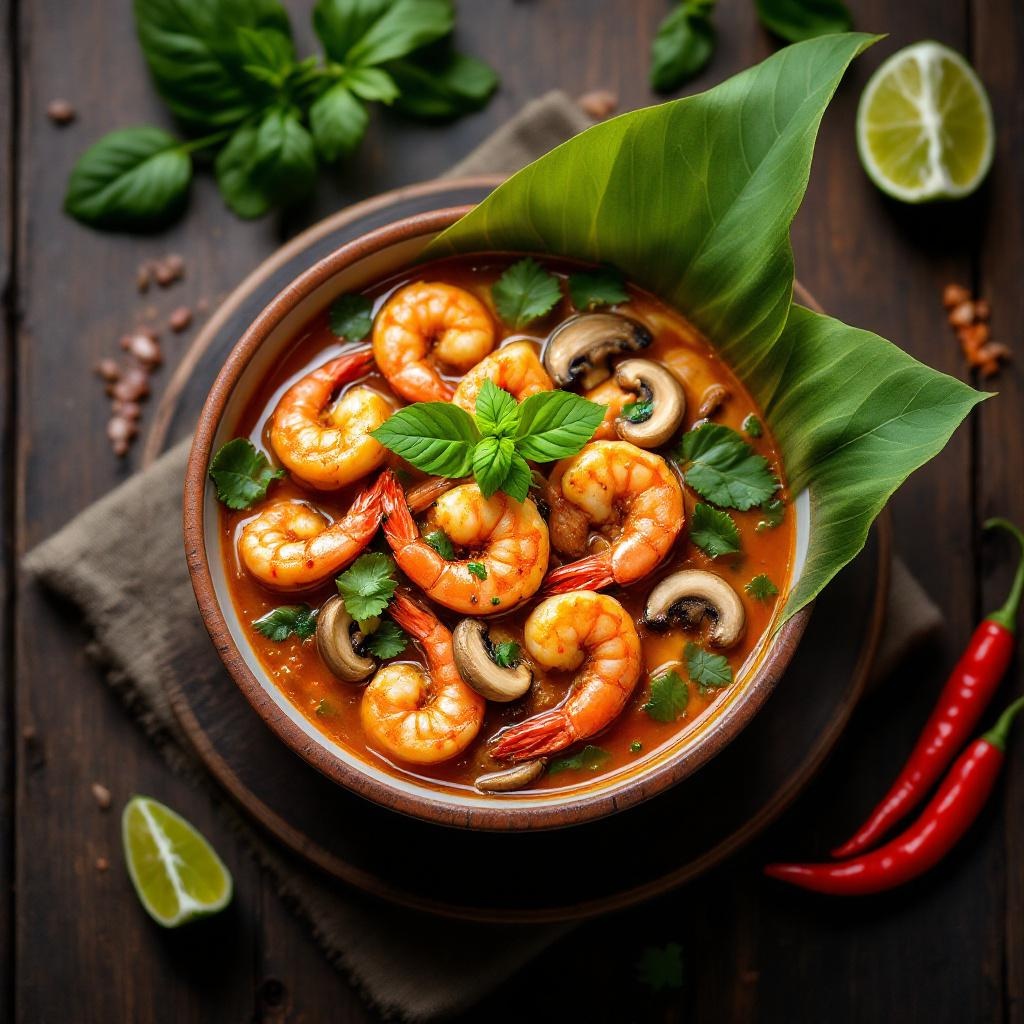
Tom Yum Goong spicy shrimp soup with lemongrass and galangal
Tom Yum Goong
1 bowl
200
Cal
18g
Protein
14g
Carbs
8g
Fat
Lemongrass, galangal, kaffir lime, chili, shrimp. 200 calories for an explosion of flavor. The clear version (tom yum nam sai) is even lighter at 150 cal.
Som Tum green papaya salad with chili, lime, and peanuts
Som Tum (Papaya Salad)
1 plate
120
Cal
4g
Protein
18g
Carbs
4g
Fat
The dish every Thai person actually eats daily. Shredded green papaya, pounded with chili, lime, peanuts, fish sauce. 120 cal. Thailand's greatest health food.
Massaman Curry with potatoes, peanuts, and tender beef
Massaman Curry
1 cup (with rice)
540
Cal
24g
Protein
48g
Carbs
28g
Fat
The richest Thai curry. Potatoes, peanuts, coconut milk, and warm spices from its Muslim Persian origins. CNN once named it the world's best food. Calorie-dense and worth it.
Pad See Ew wide rice noodles with dark soy sauce and Chinese broccoli
Pad See Ew
1 plate
420
Cal
18g
Protein
50g
Carbs
16g
Fat
Wide rice noodles, dark soy, Chinese broccoli, egg. The comfort food Thais eat when they're not performing for tourists. Slightly more caloric than Pad Thai.
Pad Krapow Thai basil chicken with fried egg over rice
Pad Krapow (Thai Basil Chicken)
1 plate (over rice)
450
Cal
28g
Protein
42g
Carbs
18g
Fat
Thailand's actual national dish (not Pad Thai). Ground chicken, holy basil, chilies, fried egg on top. That egg adds 90 cal but makes it complete.
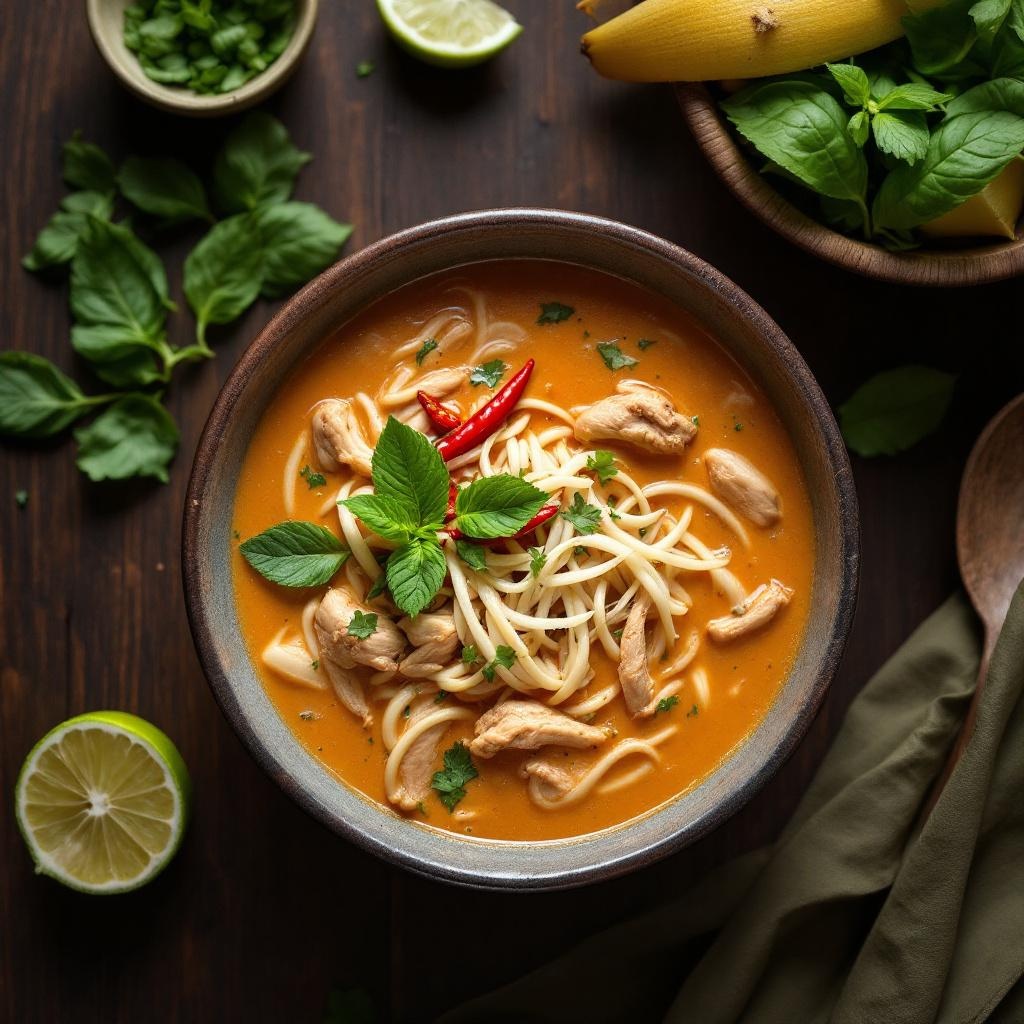
Tom Kha Gai coconut chicken soup with galangal and lemongrass
Tom Kha Gai
1 bowl
320
Cal
20g
Protein
12g
Carbs
22g
Fat
Coconut chicken soup. Same aromatics as Tom Yum, plus coconut milk. That switch from clear broth to coconut adds 120 calories. Still divine.
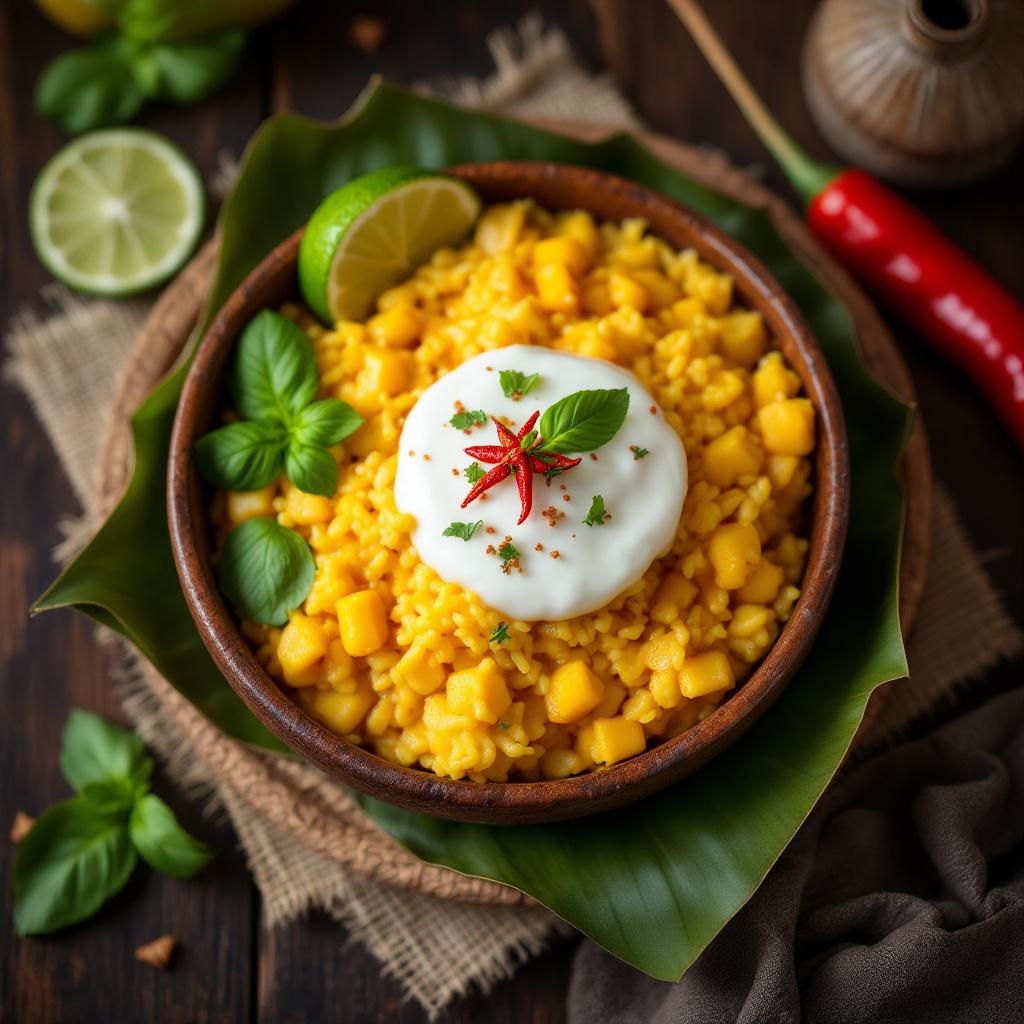
Mango Sticky Rice Thai dessert with sweetened coconut cream
Mango Sticky Rice
1 serving
380
Cal
5g
Protein
62g
Carbs
12g
Fat
Glutinous rice soaked in sweetened coconut cream, served with ripe mango. Thailand's greatest dessert. Split it. Seriously.
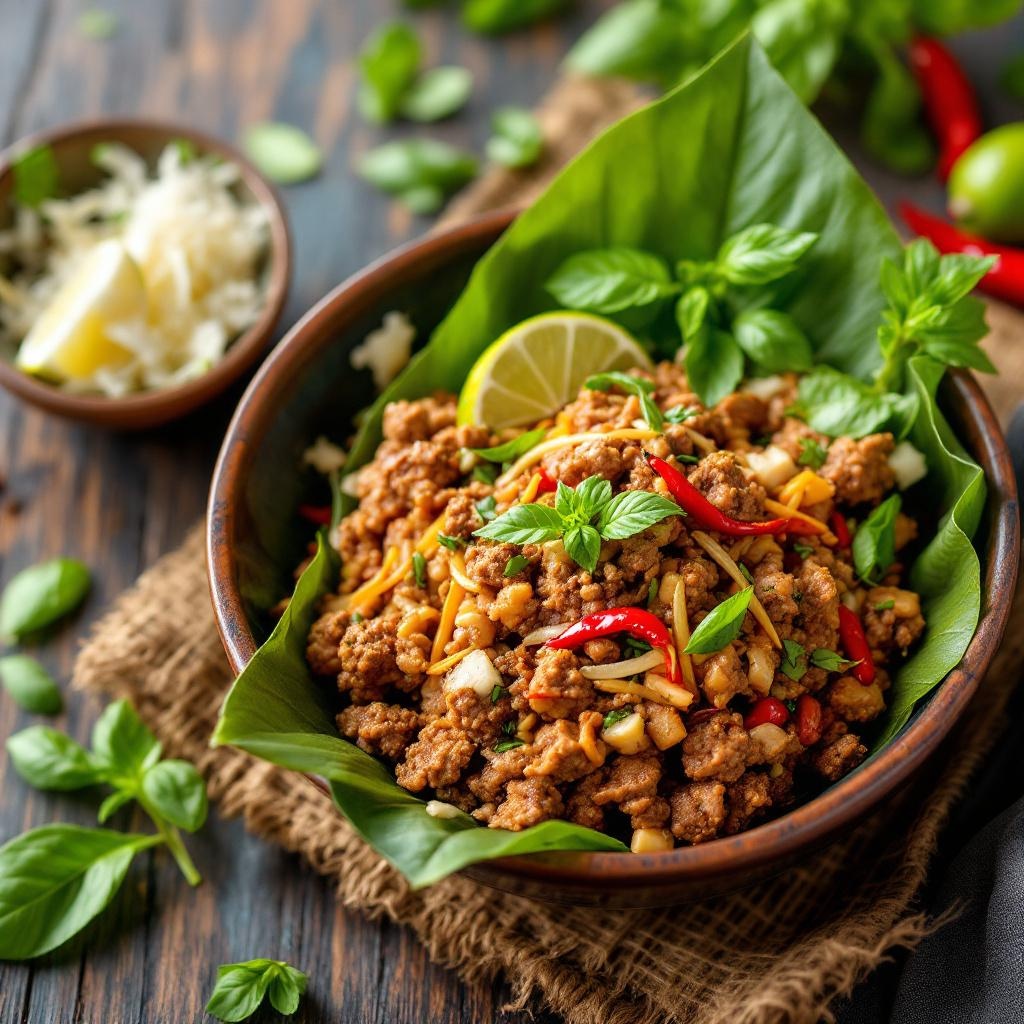
Larb Thai meat salad with lime, toasted rice powder, and fresh herbs
Larb (Meat Salad)
1 plate
250
Cal
26g
Protein
8g
Carbs
12g
Fat
Isaan's gift to the world. Ground meat with lime, fish sauce, toasted rice powder, fresh herbs. 250 cal, 26g protein. One of the most nutritionally efficient Thai dishes.
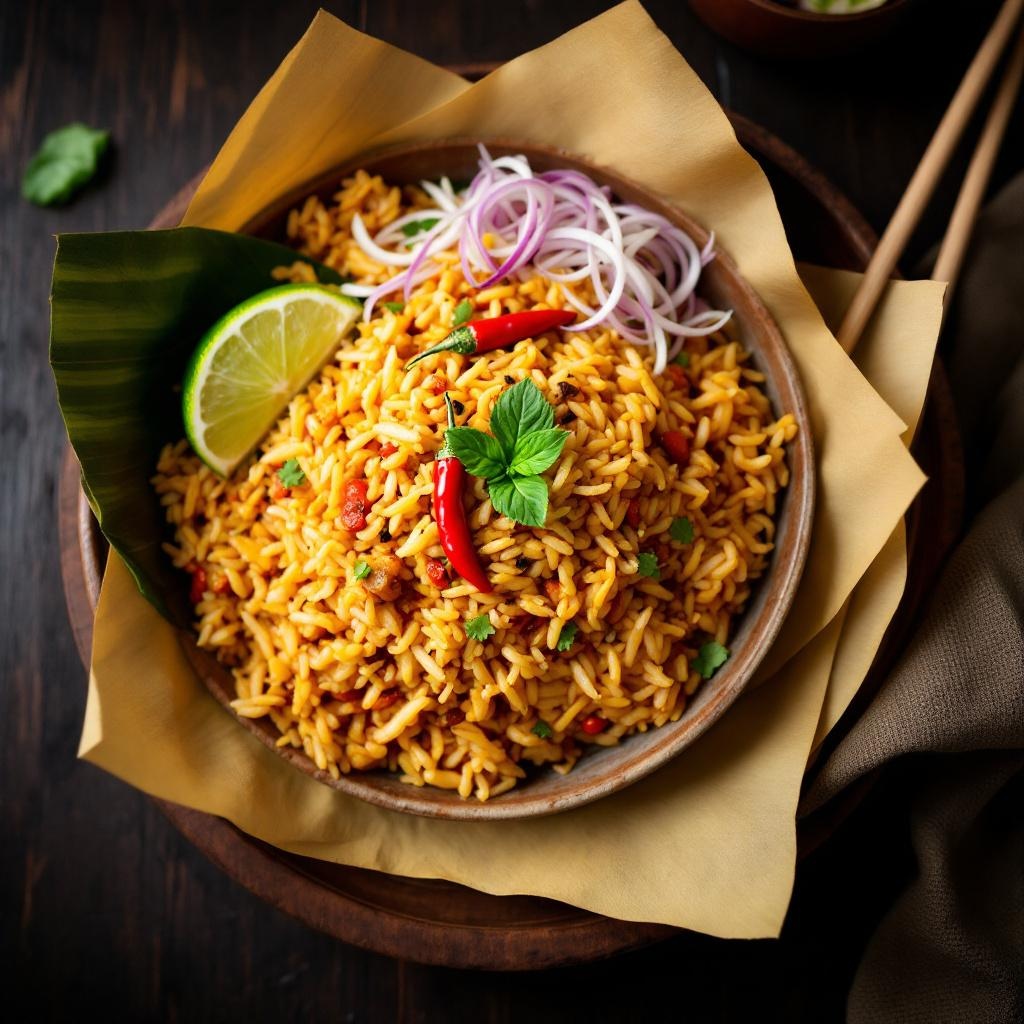
Khao Pad Thai fried rice with egg and lime
Khao Pad (Thai Fried Rice)
1 plate
400
Cal
14g
Protein
52g
Carbs
14g
Fat
Simpler and lighter than Chinese fried rice. Jasmine rice, garlic, egg, fish sauce, a squeeze of lime. Thai street food at its most honest.
Thai Red Curry with chicken and bamboo shoots in coconut broth
Red Curry with Chicken
1 cup (with rice)
460
Cal
22g
Protein
40g
Carbs
22g
Fat
Slightly less coconut milk than green curry, more chili heat. Bamboo shoots add volume for zero calories. A strategic vegetable addition.
Chicken Satay grilled skewers with peanut dipping sauce
Chicken Satay
4 skewers + peanut sauce
340
Cal
28g
Protein
12g
Carbs
20g
Fat
Grilled chicken on sticks — reasonable at 60 cal/skewer. The peanut sauce adds 100 cal. Dip lightly and you save 50.
Why Thai Street Food Is Lighter

Bangkok street vendors use tiny woks, less oil, and smaller portions than restaurants. A street Pad Thai: 380 cal. A restaurant plate in New York: 650 cal. Same dish name, 70% more calories. If you ever visit Thailand, you'll notice everyone is eating constantly — and nobody's overweight. Portions are the secret.

Korean Cuisine Banchan, BBQ, and fermented brilliance.

Korean food has a secret weapon that no other cuisine deploys as effectively: banchan — the 5-12 small side dishes served free with every meal. Kimchi (15 cal), seasoned spinach (30 cal), pickled radish (20 cal), bean sprouts (25 cal). These fill your plate, fill your stomach, and cost almost nothing calorically. Korean cuisine is also the world's most fermented, with kimchi, doenjang, gochujang, and jeotgal adding enormous flavor depth for minimal calories. Korean food searches are up 200% since 2020 — and the nutrition data hasn't caught up.
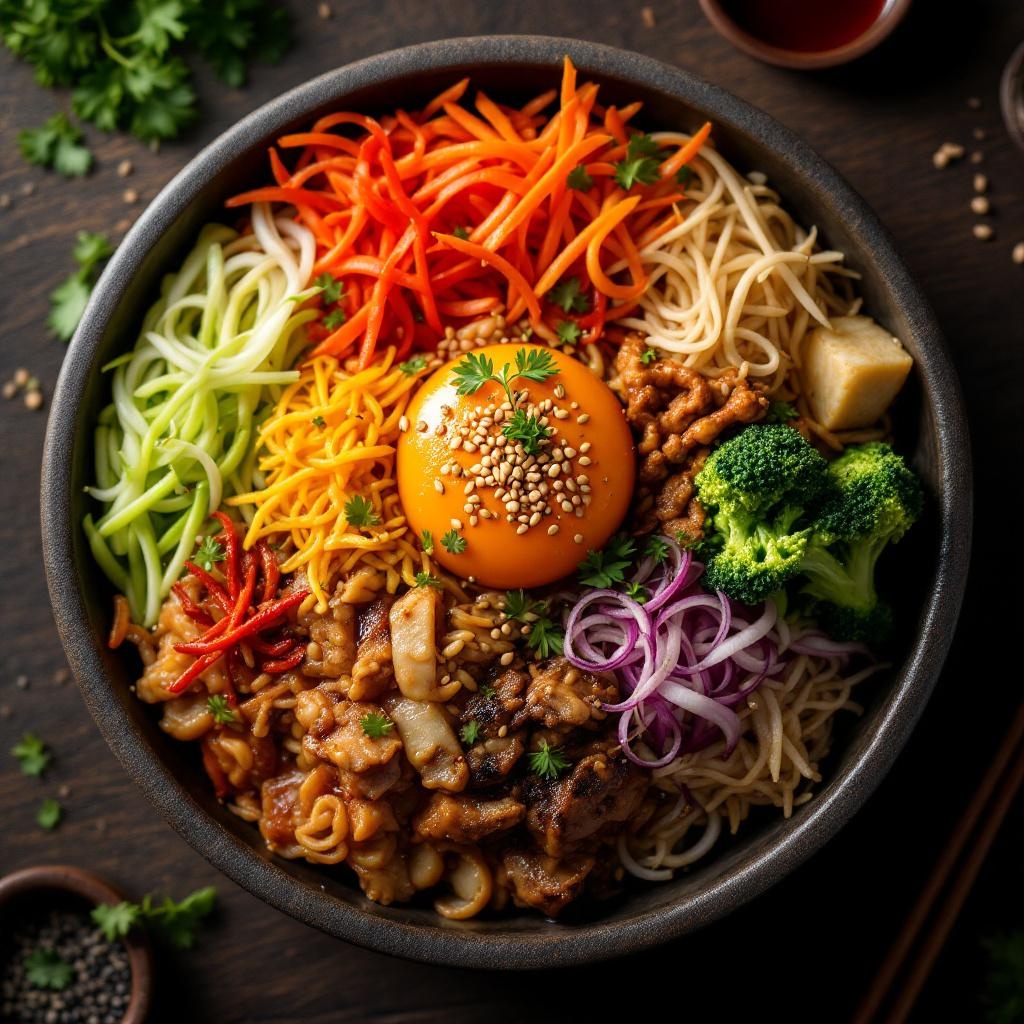
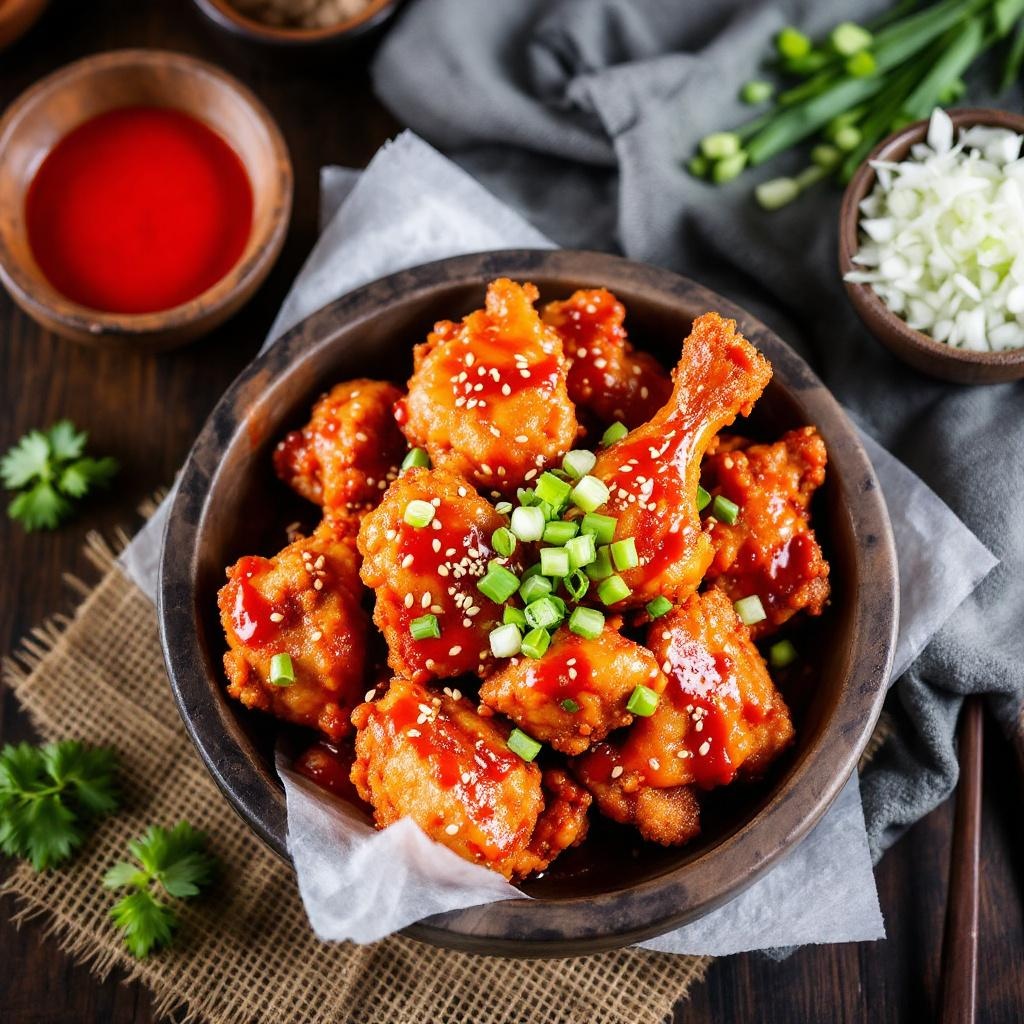
Bibimbap Korean mixed rice bowl with vegetables, egg, and gochujang
Bibimbap
1 bowl
490
Cal
22g
Protein
62g
Carbs
16g
Fat
"Mixed rice." Rice, vegetables, egg, gochujang, optional meat. The stone bowl (dolsot) version adds 40 cal from the sesame oil that crisps the rice. Worth it.
Korean Fried Chicken double-fried wings with yangnyeom sauce
Korean Fried Chicken
6 pieces (wings)
540
Cal
32g
Protein
30g
Carbs
32g
Fat
Double-fried for extra crunch. The yangnyeom (sweet-spicy) sauce adds 60 cal from sugar. The soy garlic version is 40 cal lighter. Both are addictive.
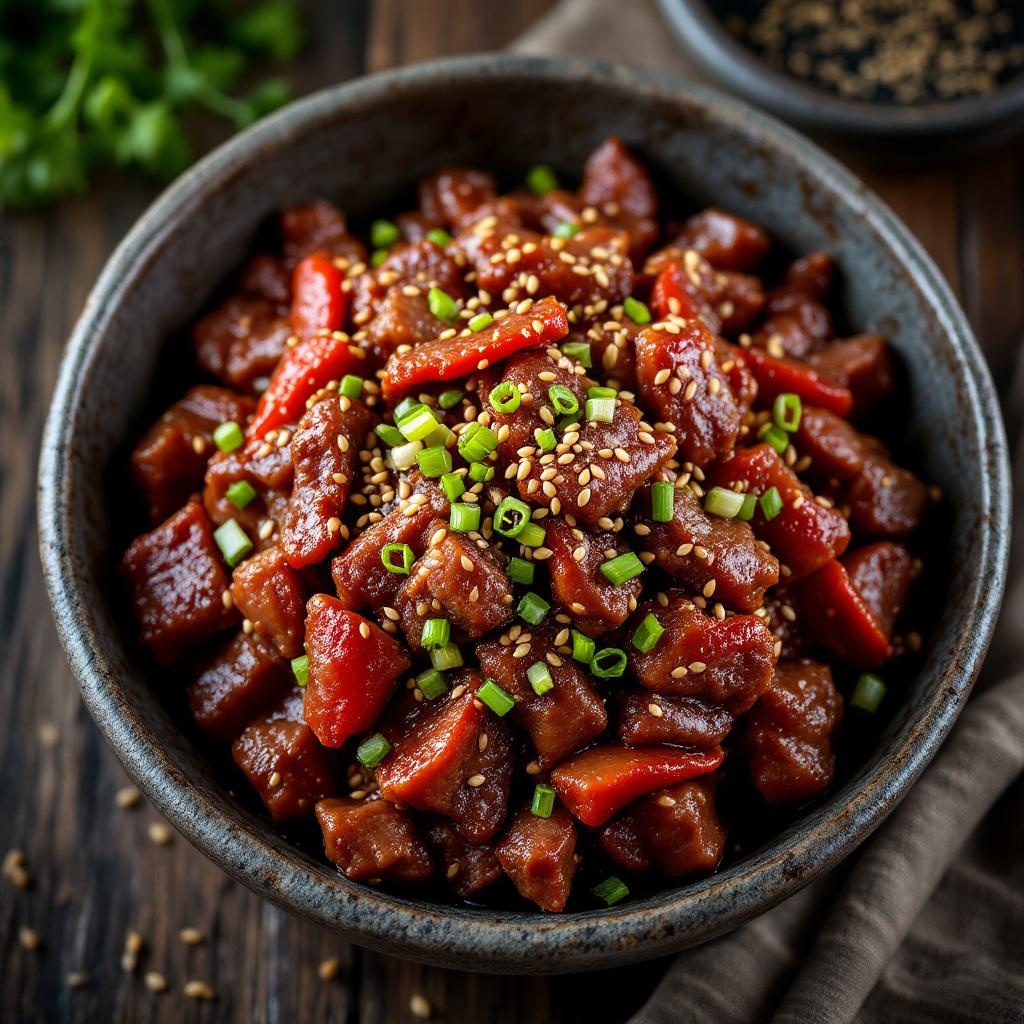
Bulgogi thin-sliced Korean marinated beef, grilled
Bulgogi
1 serving (150g)
310
Cal
28g
Protein
14g
Carbs
16g
Fat
Thin-sliced marinated beef, grilled. The sugar in the marinade is 40 of those calories. With rice and lettuce wraps, a full meal is ~520 cal.
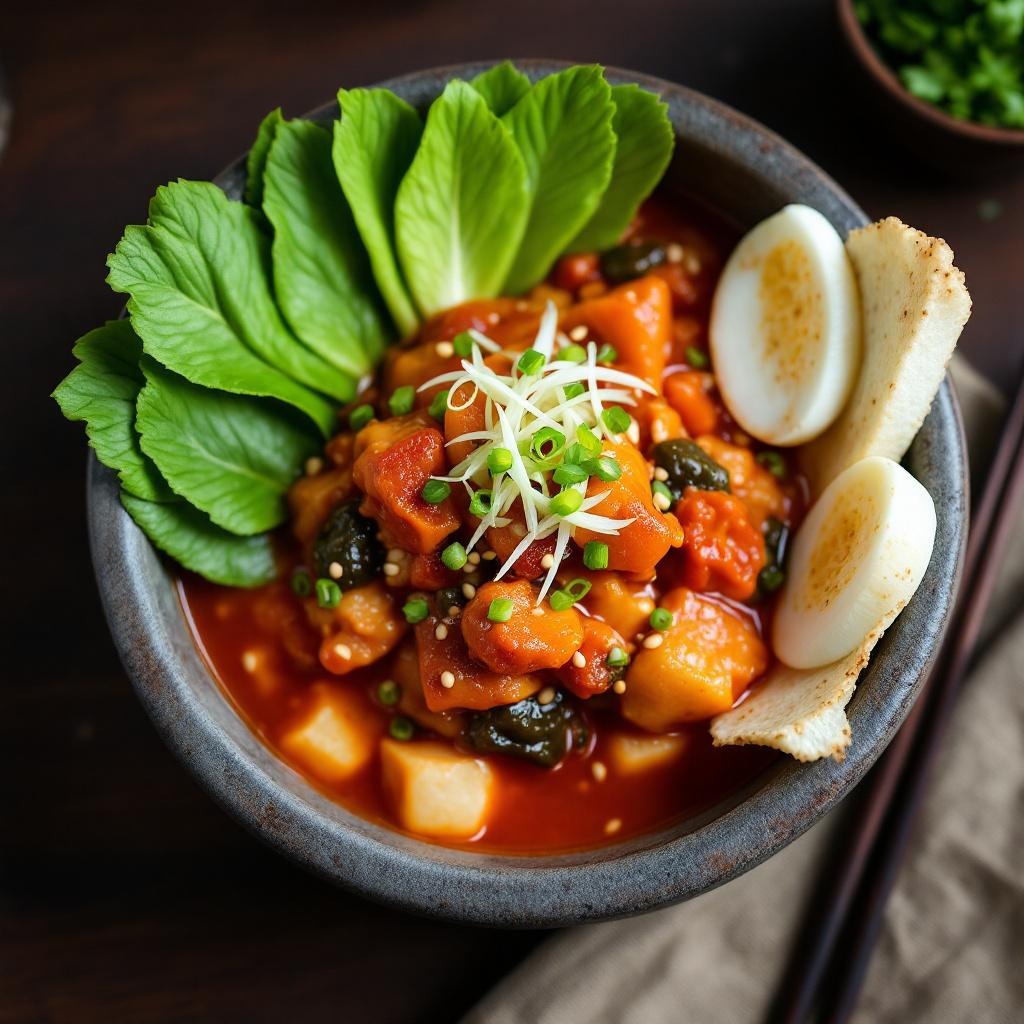
Kimchi Jjigae bubbling kimchi stew with pork and tofu
Kimchi Jjigae
1 bowl (with rice)
410
Cal
22g
Protein
42g
Carbs
16g
Fat
Korea's comfort stew. Old, funky kimchi + pork + tofu, bubbling in a stone pot. The kimchi is basically free calories. The pork belly is not.
Japchae Korean stir-fried glass noodles with vegetables and sesame
Japchae
1 cup
280
Cal
8g
Protein
38g
Carbs
10g
Fat
Sweet potato glass noodles, sesame oil, vegetables, optional beef. The noodles are starchier than you'd think. Still lighter than most pasta dishes.
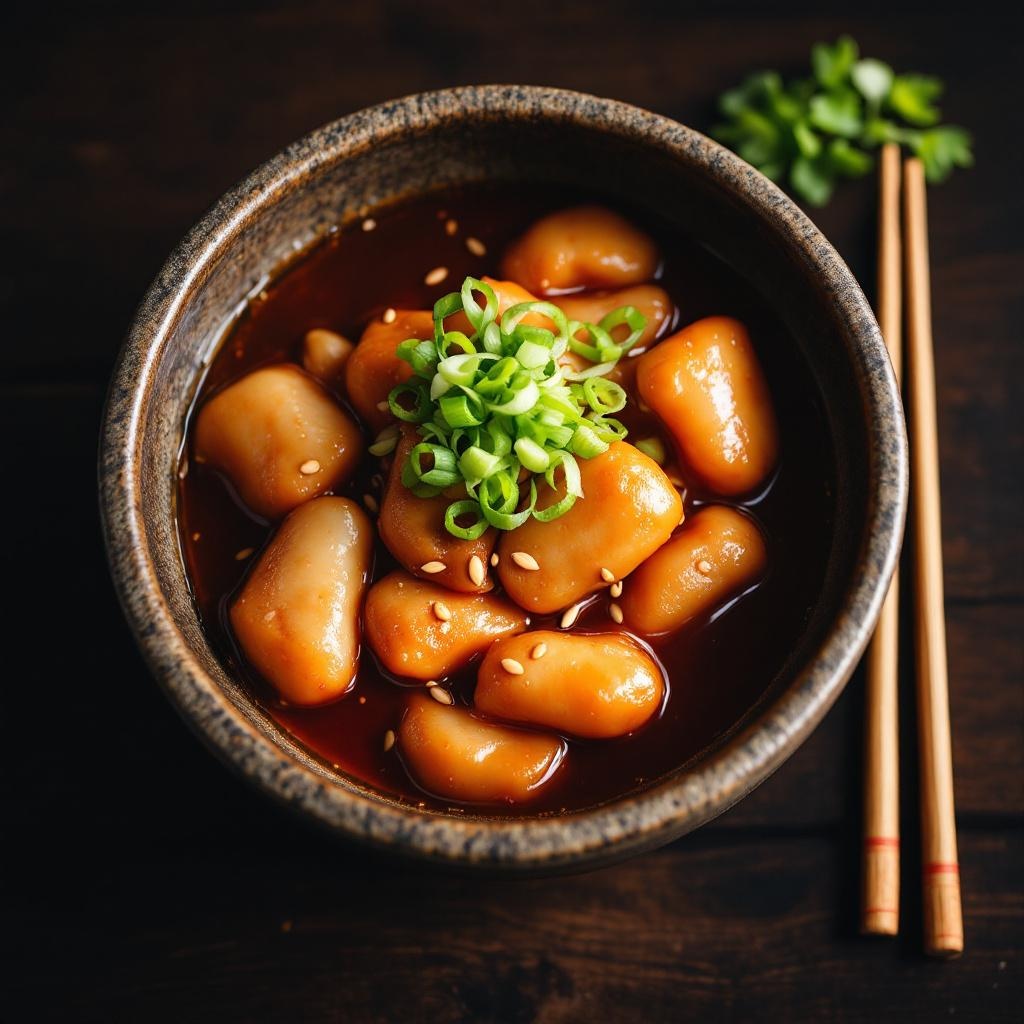
Tteokbokki spicy Korean rice cakes in red gochujang sauce
Tteokbokki
1 serving
380
Cal
8g
Protein
68g
Carbs
8g
Fat
Chewy rice cakes in spicy gochujang sauce. Korea's #1 street food. Pure carbs, low fat. The fish cakes mixed in add protein for minimal calories.
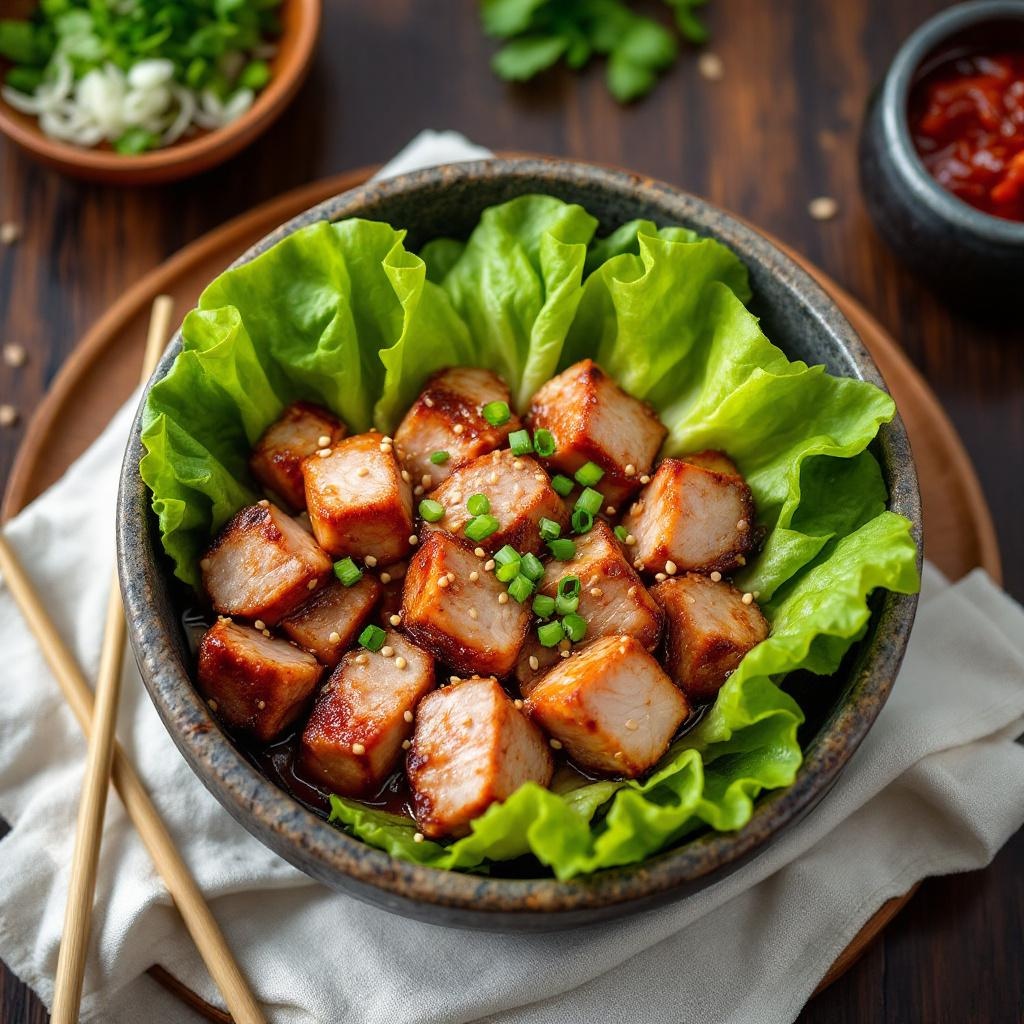
Samgyeopsal thick-cut pork belly grilled tableside at Korean BBQ
Samgyeopsal (Pork Belly)
200g (typical KBBQ)
580
Cal
28g
Protein
0g
Carbs
52g
Fat
Thick-cut pork belly, grilled tableside. The fattiest common cut of pork. But wrapped in lettuce with garlic and ssamjang, each bite is only ~80 cal.
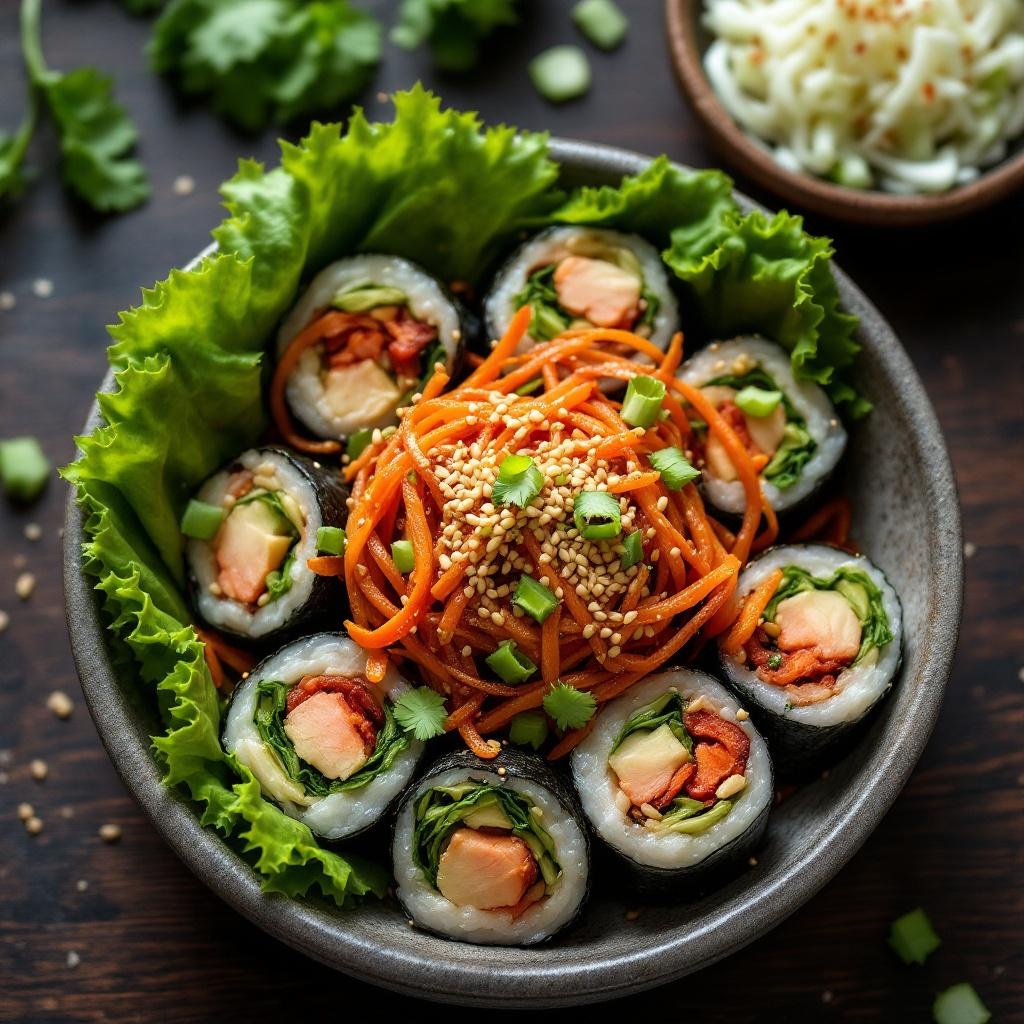
Kimbap Korean rice roll sliced into rounds with colorful fillings
Kimbap
1 roll (8 pieces)
350
Cal
12g
Protein
52g
Carbs
10g
Fat
Korea's answer to sushi, but with sesame oil rice instead of vinegar rice. Filled with pickled radish, spinach, egg, ham. Convenience store kimbap = the best 350-cal grab-and-go lunch in Asia.
Budae Jjigae Korean army stew with spam, noodles, and kimchi
Budae Jjigae (Army Stew)
1 bowl (with rice)
520
Cal
24g
Protein
50g
Carbs
24g
Fat
Born in post-war Korea from US military surplus: spam, hot dogs, instant noodles, kimchi, tofu, all in a spicy broth. History in a pot. The ramen noodles add 200 cal.
Naengmyeon Korean cold buckwheat noodles in icy broth
Naengmyeon (Cold Noodles)
1 bowl
380
Cal
16g
Protein
60g
Carbs
6g
Fat
Buckwheat noodles in ice-cold broth with beef, egg, and Asian pear. Korea's summer staple. Low fat, refreshing, and historically a delicacy from Pyongyang.
Sundubu Jjigae Korean soft tofu stew with egg in spicy broth
Sundubu Jjigae (Soft Tofu Stew)
1 bowl (with rice)
370
Cal
20g
Protein
40g
Carbs
14g
Fat
Silky tofu in a fiery broth, cracked egg stirred in. The tofu is ~80 cal per serving. The broth does the heavy lifting flavor-wise, not calorically.
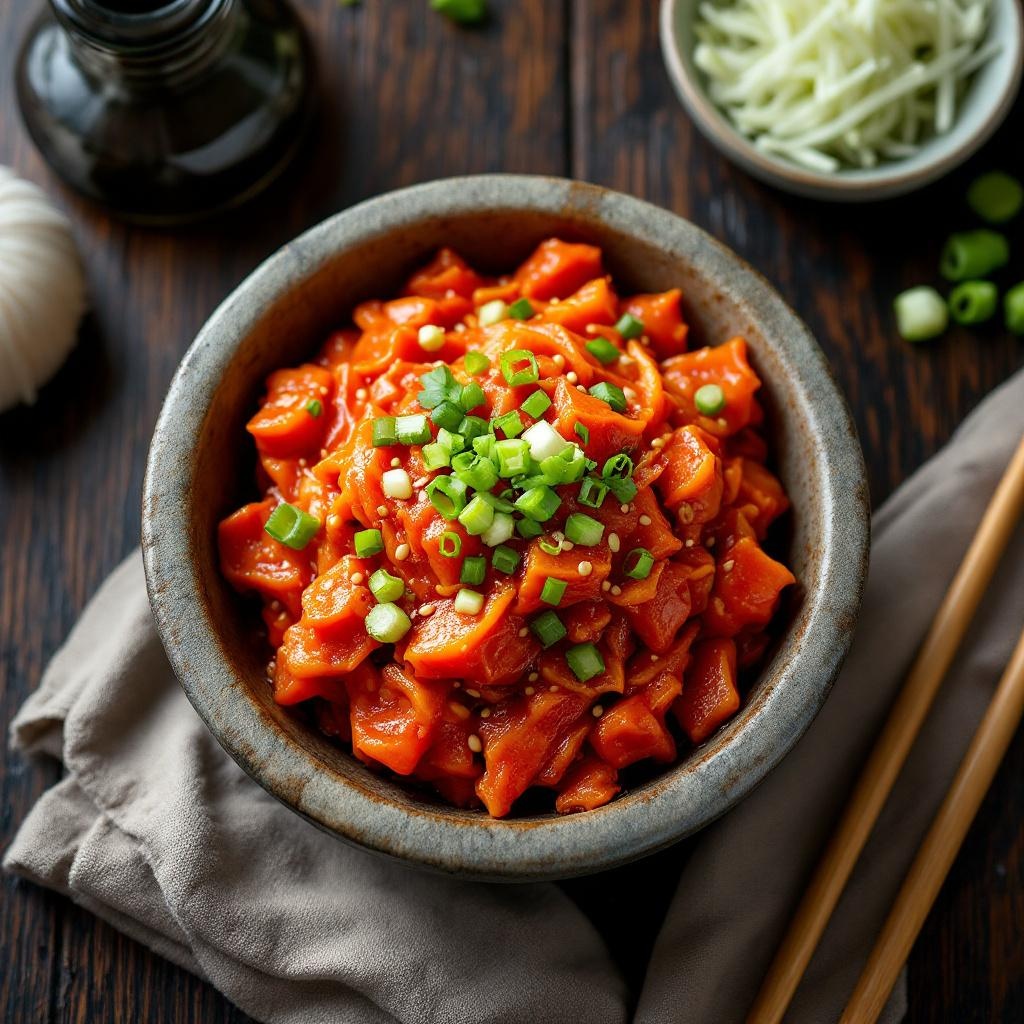
Kimchi traditional Korean fermented napa cabbage with chili
Kimchi
1/2 cup
15
Cal
1g
Protein
2g
Carbs
0.5g
Fat
15 calories. Rich in probiotics, vitamin K, and Lactobacillus (Park et al., 2014). Koreans eat 40+ lbs per person per year. The world's most effective health food that nobody has to be convinced to eat.
Korean BBQ Math

A typical KBBQ meal: 200g samgyeopsal (580) + 150g bulgogi (310) + 1 bowl rice (200) + banchan (~100) + soju 2 shots (120) = ~1,310 calories. That's a lot. But it's also 2-3 hours of social eating. Skip the rice, eat more lettuce wraps, choose leaner cuts (chadolbaegi: 350 cal for 200g), and you're down to 900 cal. KBBQ math is controllable.

Vietnamese Cuisine Fresh herbs, clear broths, and the lightest cuisine in Asia.

Vietnamese food might be the most naturally weight-friendly cuisine on the planet. The fundamentals: fresh herbs in everything (cilantro, mint, Thai basil, perilla), rice paper instead of fried wrappers, broth-based soups as the default meal, and a cultural emphasis on lightness and balance. Where Chinese food relies on oil and Thai on coconut milk, Vietnamese cooking leans on fish sauce, lime, and fresh ingredients that carry enormous flavor for almost no calories. The French colonial influence (banh mi, pho with star anise) added technique without adding heaviness.
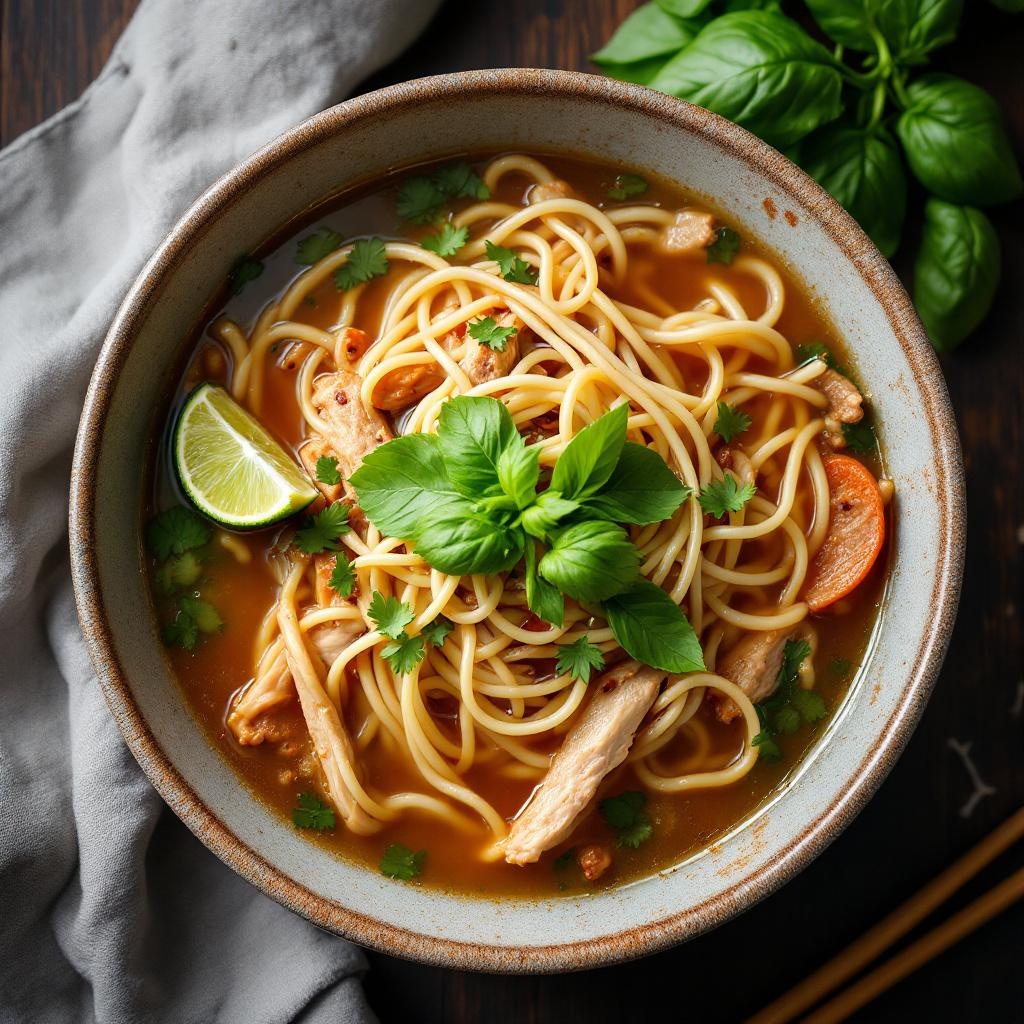
Pho Bo Vietnamese beef pho with rice noodles, herbs, and bean sprouts
Pho Bo (Beef Pho)
1 large bowl
350
Cal
24g
Protein
42g
Carbs
8g
Fat
12 hours of simmering beef bones, star anise, cinnamon, charred ginger. 350 cal for a meal that fills a mixing bowl. The broth is the magic — rich in collagen, almost no fat once skimmed.
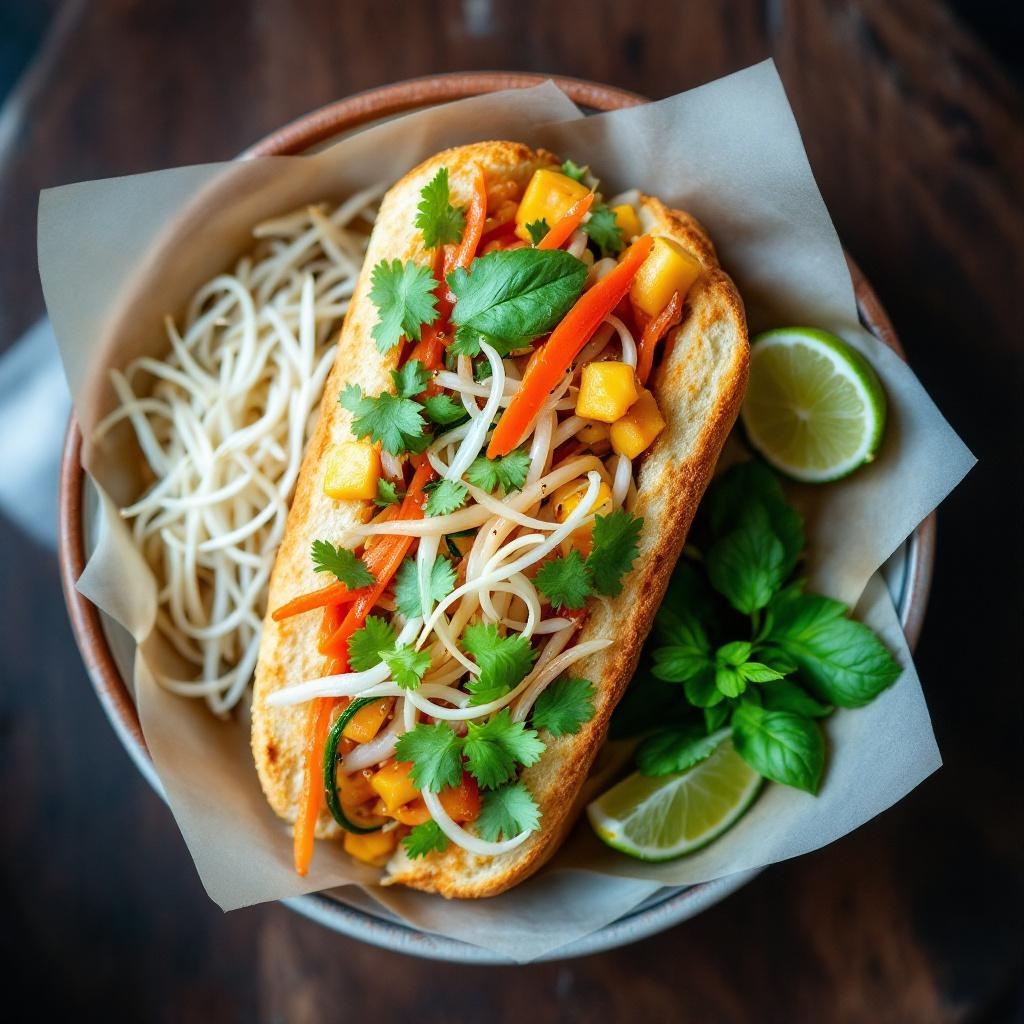
Banh Mi Vietnamese sandwich with pickled vegetables and pate
Banh Mi
1 sandwich
360
Cal
18g
Protein
42g
Carbs
12g
Fat
French baguette meets Vietnamese fillings. The bread is airy (lighter than a Western baguette), and the pickled daikon/carrot adds crunch for zero calories. 360 cal for a complete sandwich? That's better than Subway.
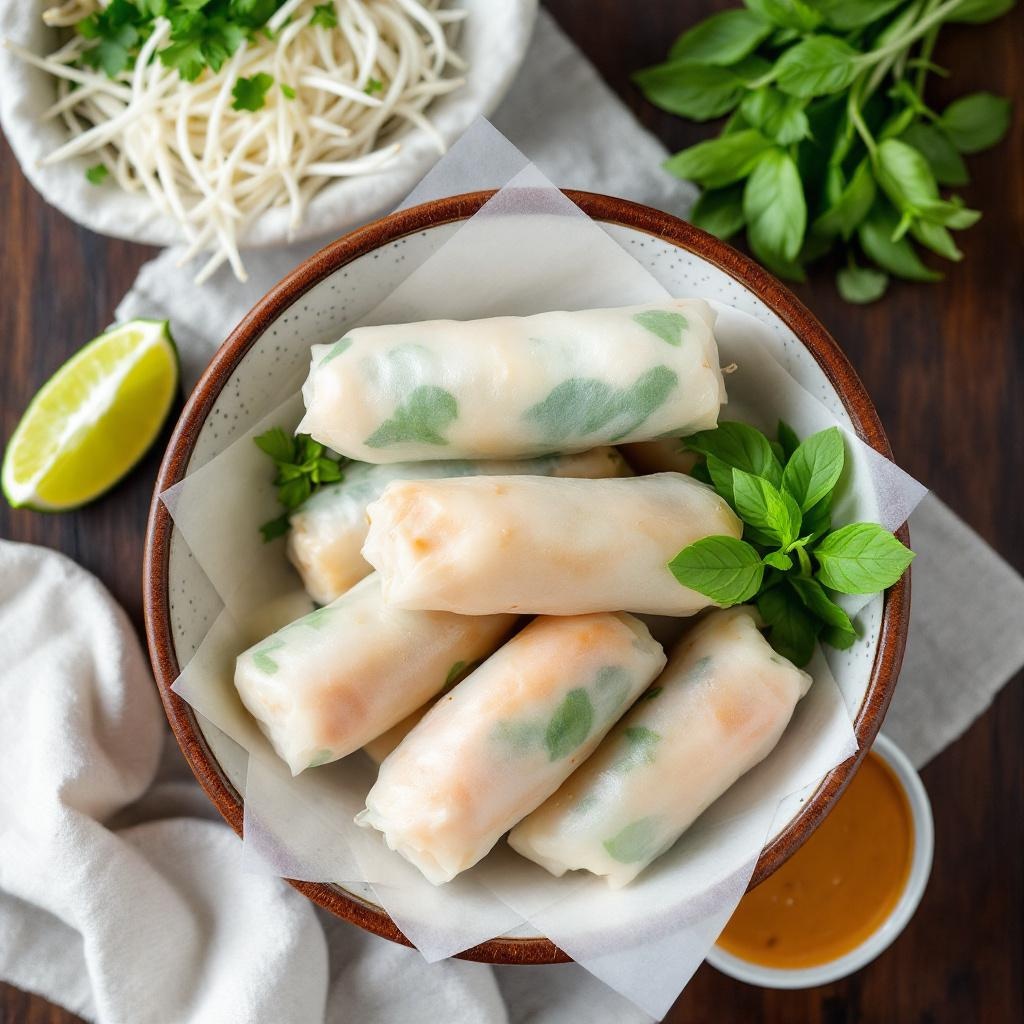
Goi Cuon Vietnamese fresh spring rolls with shrimp and herbs
Goi Cuon (Fresh Spring Rolls)
2 rolls
140
Cal
10g
Protein
18g
Carbs
2g
Fat
Rice paper, shrimp, vermicelli, lettuce, herbs. 140 cal for two rolls. The peanut dipping sauce adds 80 cal. Still one of the lowest-calorie appetizers in any cuisine.
Bun Cha Hanoi grilled pork patties with rice noodles and herbs
Bun Cha
1 serving
420
Cal
24g
Protein
46g
Carbs
14g
Fat
Hanoi's signature: grilled pork patties, rice vermicelli, fresh herbs, dipping broth. Obama ate this with Bourdain. It's 420 cal and it's perfect.
Com Tam Vietnamese broken rice with grilled pork chop and egg
Com Tam (Broken Rice)
1 plate
480
Cal
28g
Protein
52g
Carbs
16g
Fat
Saigon's everyday lunch. Broken rice with grilled pork chop, fried egg, pickled vegetables. The grilled pork (suon nuong) is lean. The fried egg adds 90 cal.
Bun Bo Hue spicy Vietnamese beef noodle soup from central Vietnam
Bun Bo Hue
1 bowl
400
Cal
26g
Protein
44g
Carbs
12g
Fat
Pho's spicier, bolder cousin from central Vietnam. Lemongrass, chili oil, beef shank, pork knuckle. Every Vietnamese person has an opinion about whether it's better than pho. (It might be.)
Cao Lau Hoi An thick noodles with pork and herbs
Cao Lau
1 bowl
370
Cal
22g
Protein
46g
Carbs
10g
Fat
Only made in Hoi An with water from a specific well. Thick noodles, pork, herbs, crispy croutons. One of Vietnam's most unique regional dishes and a calorie bargain.
Banh Xeo Vietnamese sizzling turmeric crepe with shrimp and sprouts
Banh Xeo (Sizzling Crepe)
1 crepe
320
Cal
14g
Protein
28g
Carbs
16g
Fat
Turmeric rice flour crepe with shrimp, pork, bean sprouts. Wrapped in lettuce leaves with herbs. The crepe is fried, but you eat more lettuce than crepe. Clever design.
Pho vs. Ramen: The Calorie Showdown

Beef Pho: 350 cal. Clear bone broth, rice noodles, lean beef, zero cream. Tonkotsu Ramen: 650 cal. Pork bone broth boiled milky-white, wheat noodles, chashu pork, often a soft egg. Pho wins by 300 calories. Both are magnificent soups. But if you're choosing between them on a Tuesday night, pho is the lighter move.
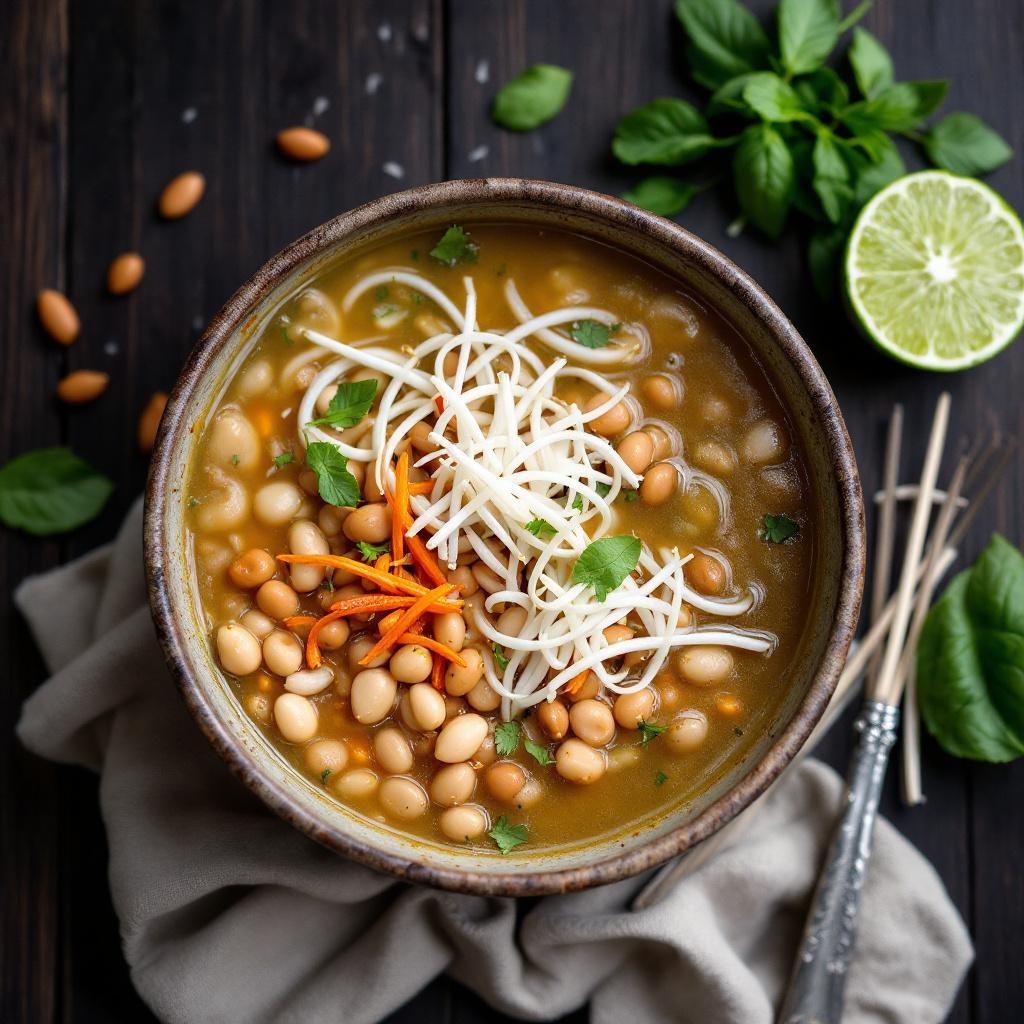
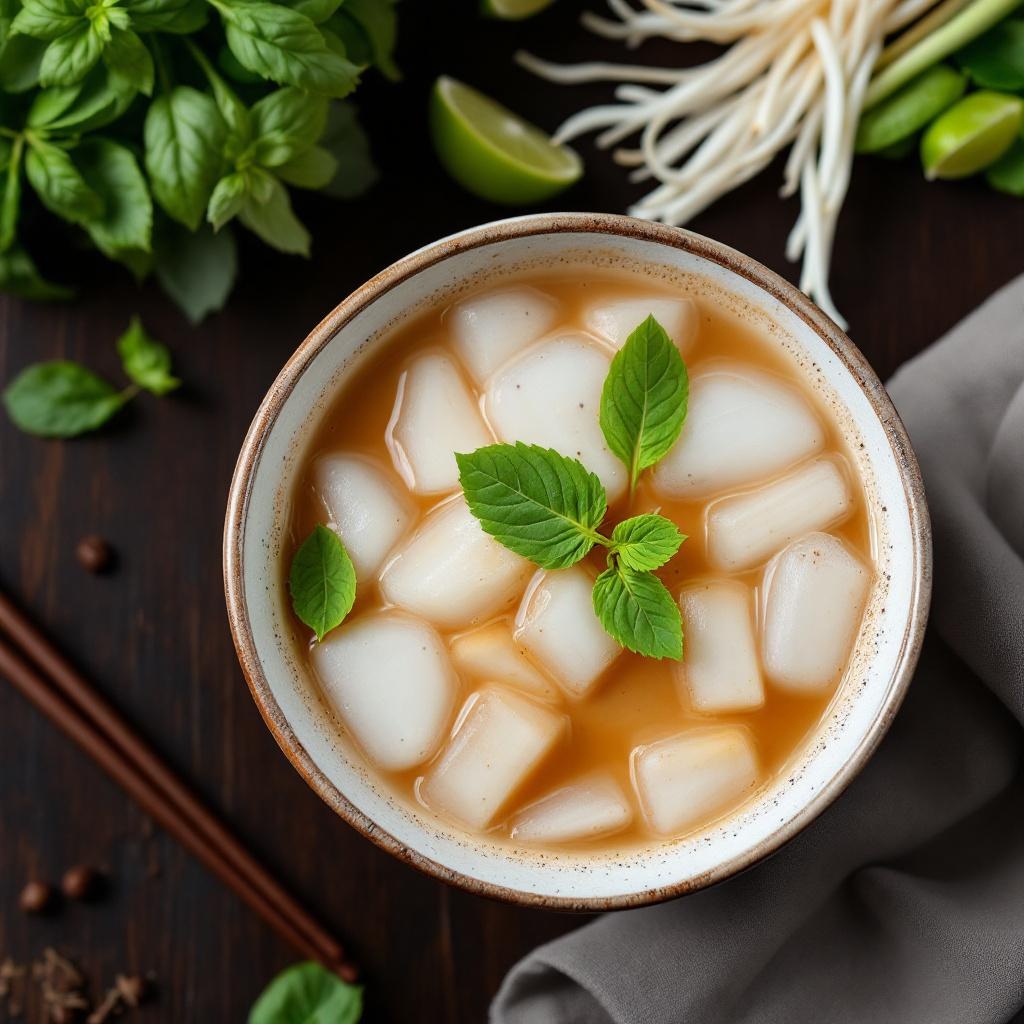
Pho Ga Vietnamese chicken pho with rice noodles
Pho Ga (Chicken Pho)
1 large bowl
300
Cal
22g
Protein
40g
Carbs
5g
Fat
Even lighter than beef pho. Chicken broth, shredded chicken, rice noodles. 300 cal for a full bowl. This is what Vietnamese people eat when they're sick — or smart.
Mi Quang central Vietnamese turmeric noodles with shrimp and pork
Mi Quang
1 bowl
390
Cal
24g
Protein
44g
Carbs
12g
Fat
Central Vietnam's turmeric noodle dish. Just enough broth to coat the noodles, not swim in. Shrimp, pork, peanuts, rice crackers, herbs piled high. Less broth = more concentrated flavor.
Che Vietnamese sweet dessert soup with beans and coconut milk
Che (Vietnamese Sweet Soup)
1 cup
220
Cal
4g
Protein
42g
Carbs
5g
Fat
Beans, tapioca, jelly, coconut milk, shaved ice. Vietnam's dessert culture in a cup. Lighter than most Western desserts at 220 cal. Dozens of variations exist.
Ca Phe Sua Da Vietnamese iced coffee with condensed milk
Ca Phe Sua Da (Iced Coffee)
1 glass
130
Cal
2g
Protein
20g
Carbs
5g
Fat
Strong drip coffee + sweetened condensed milk over ice. 130 cal — less than a Starbucks latte. The condensed milk is the sugar and cream in one. Vietnam is the world's 2nd largest coffee producer.

Vietnamese cuisine averages 300-400 calories per dish — the lowest of any major Asian cuisine. The reliance on fresh herbs, clear broths, and grilling over frying keeps things naturally light. If you're eating Asian food and watching calories, Vietnamese is your best friend.

Japanese Cuisine The paradox of carbs, discipline, and longevity.

Japan eats rice at nearly every meal, consumes mountains of noodles, and has an obesity rate of 3.6% (vs. 42% in the US). The paradox isn't really a paradox. It's portion control built into the culture. Meals are served in small plates and bowls. The concept of "hara hachi bu" — eat until you're 80% full — originates from Okinawa, home to the world's longest-lived people. Japanese food isn't low-carb. It's low-excess.
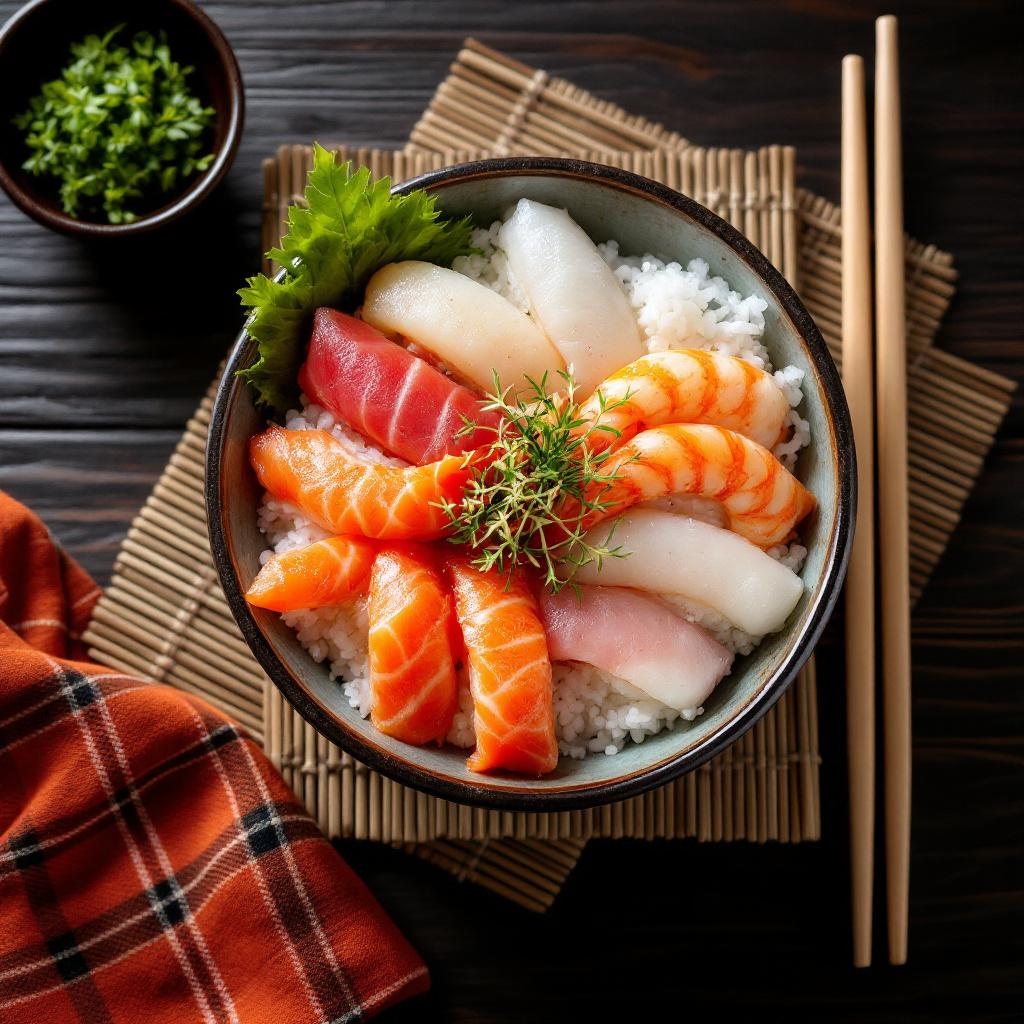
Nigiri sushi assortment with salmon, tuna, and shrimp on rice
Nigiri Sushi (assorted)
6 pieces
270
Cal
18g
Protein
36g
Carbs
4g
Fat
Salmon, tuna, shrimp — 40-65 cal per piece. The rice is the majority of each bite. Real sushi is one of the most calorie-efficient protein deliveries in any cuisine.
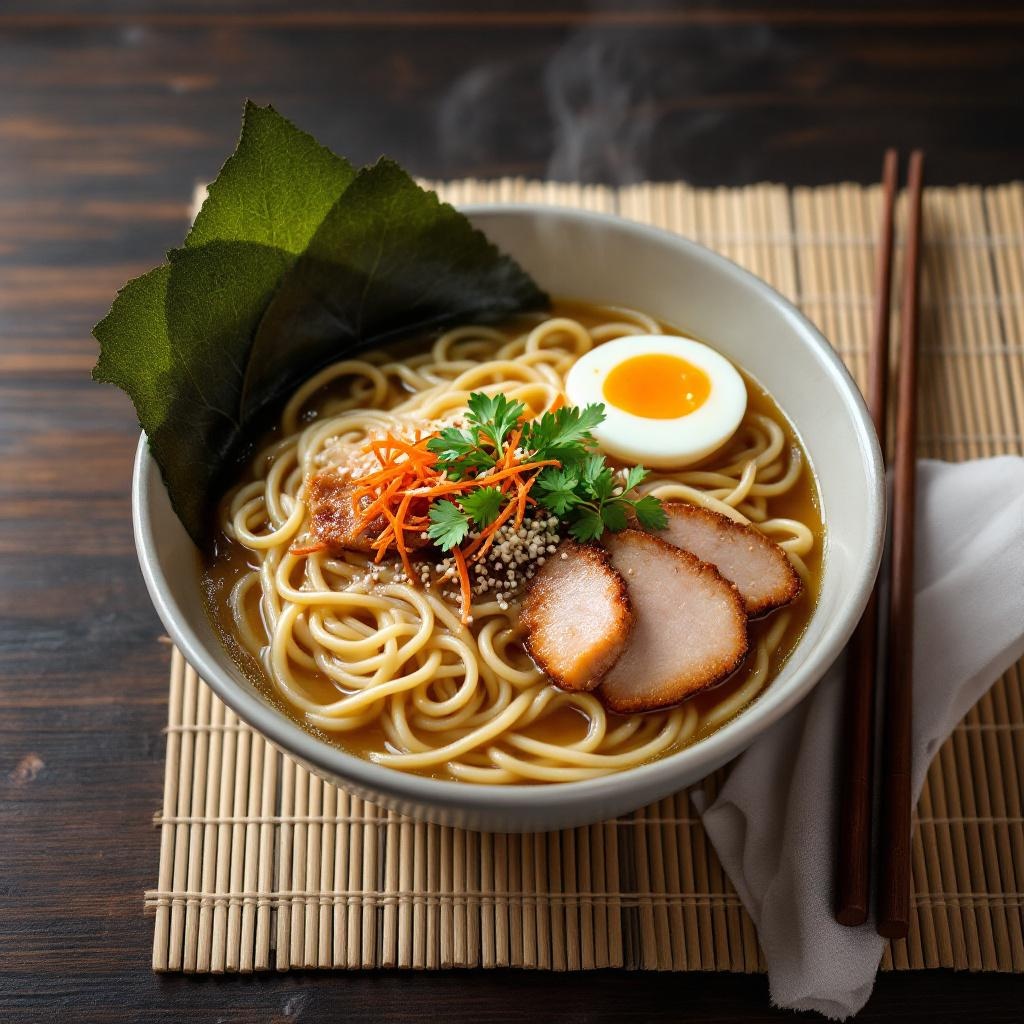
Tonkotsu Ramen rich pork bone broth with chashu, egg, and noodles
Tonkotsu Ramen
1 bowl
650
Cal
28g
Protein
68g
Carbs
28g
Fat
Pork bone broth boiled 12-18 hours until milky white. With chashu, egg, and noodles. Shoyu ramen: 480. Miso ramen: 550. Tonkotsu is king — and the heaviest.
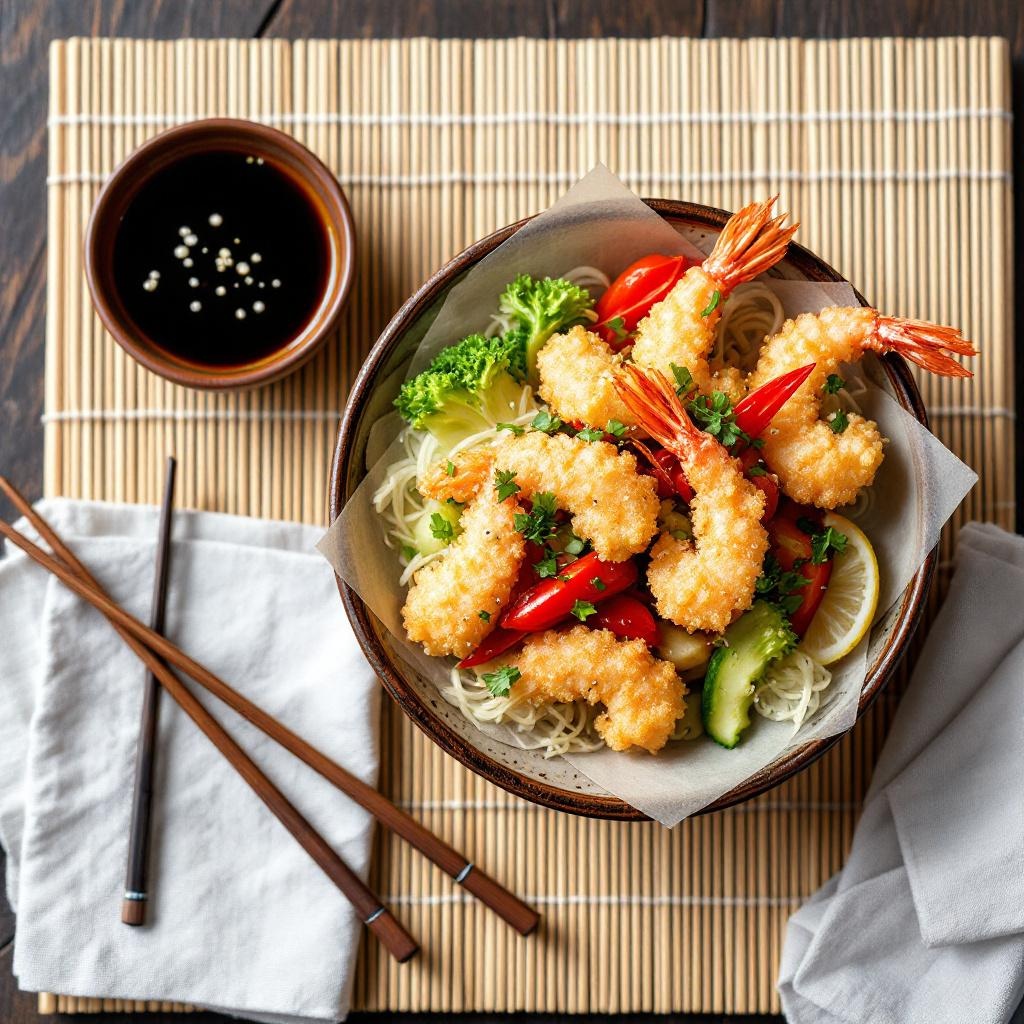
Japanese tempura with lightly battered shrimp and vegetables
Tempura (Shrimp + Veg)
5 pieces mixed
340
Cal
12g
Protein
30g
Carbs
20g
Fat
The lightest deep-fry in any cuisine. The batter is paper-thin and cooked at higher temperatures than Western frying, so it absorbs less oil. Still fried. Still adds up.
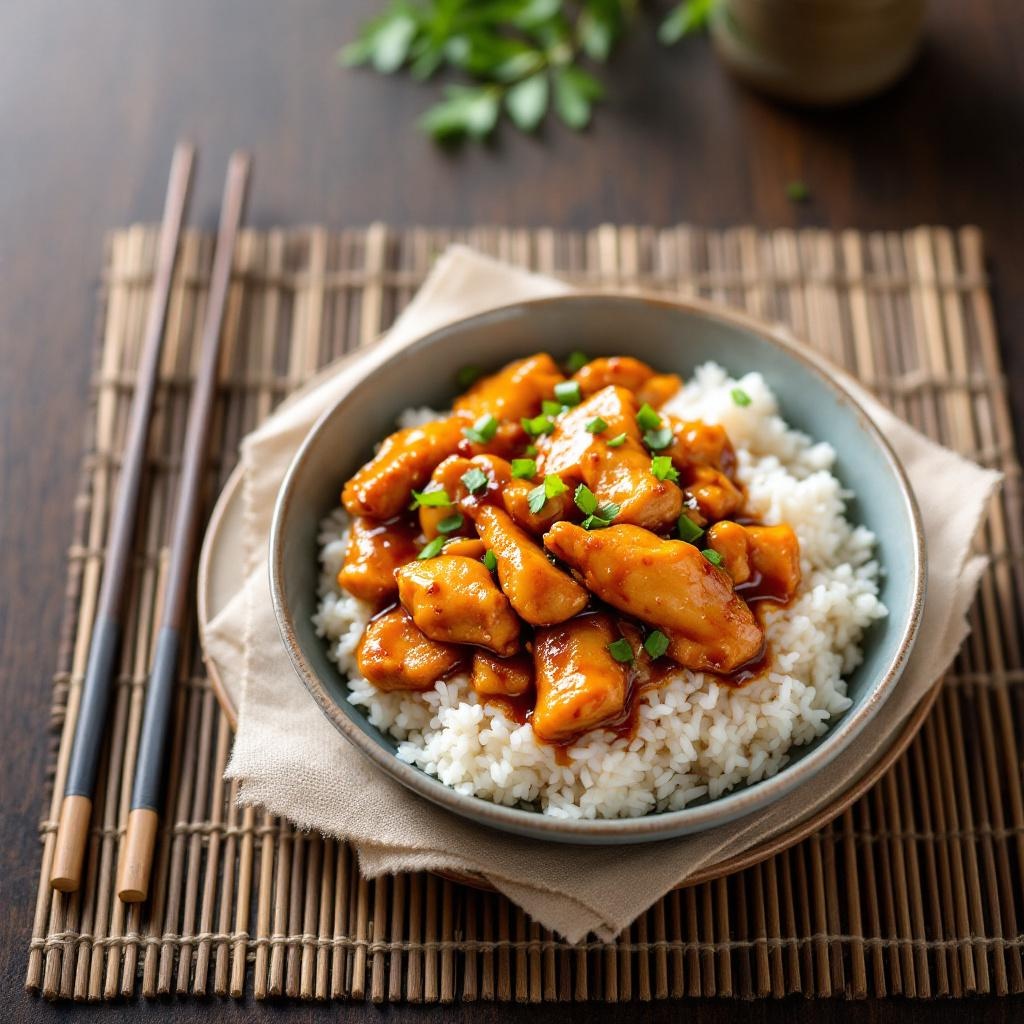
Japanese teriyaki chicken glazed with sweet soy sauce, served with rice
Teriyaki Chicken
1 serving (with rice)
480
Cal
32g
Protein
50g
Carbs
14g
Fat
The teriyaki sauce is soy sauce, mirin, sugar — about 60 cal for the glaze. American teriyaki uses double the sugar. In Japan, teriyaki is a method, not a bottled sauce.
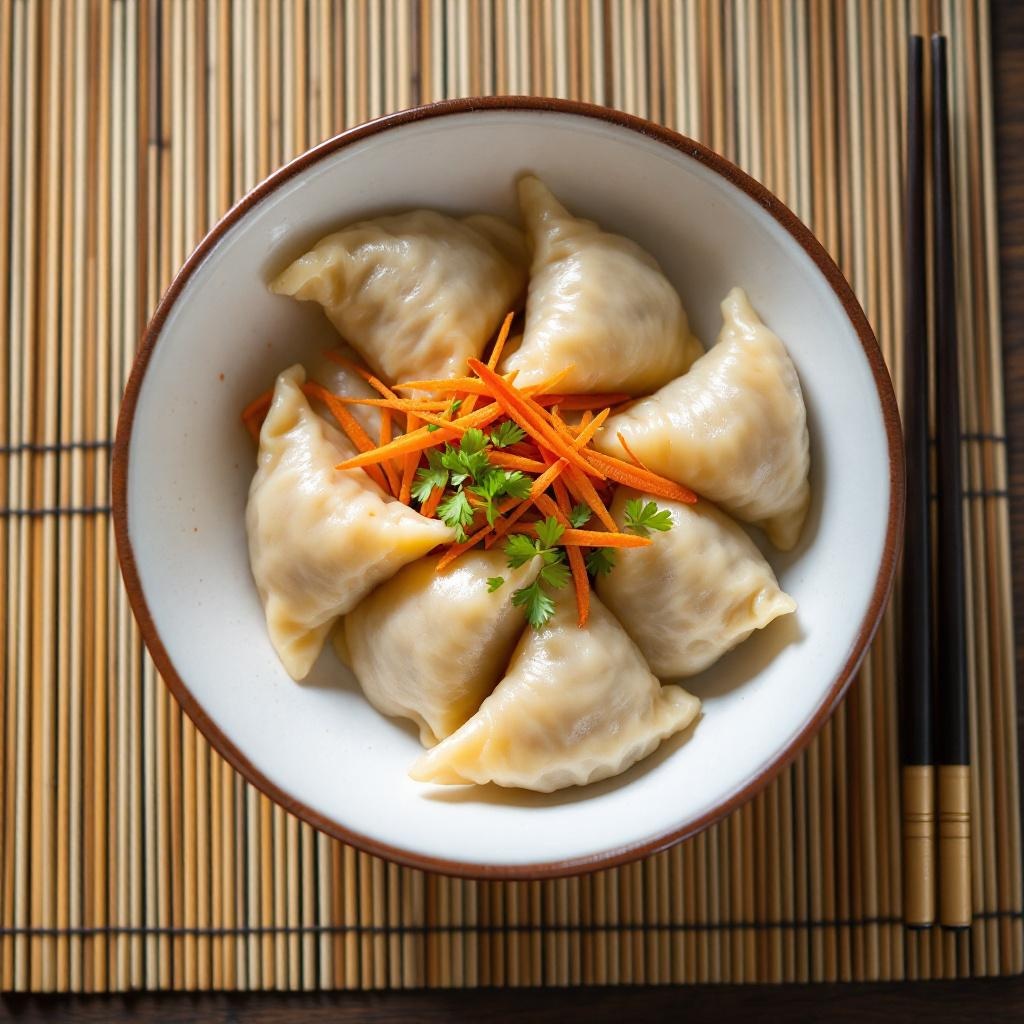
Japanese gyoza pan-fried dumplings with crispy bottoms
Gyoza (Pan-fried Dumplings)
6 pieces
280
Cal
14g
Protein
28g
Carbs
12g
Fat
Crispy bottom, steamed top. The best of both worlds. 47 cal per dumpling. Dip in rice vinegar (2 cal) not soy sauce (8 cal) for the Japanese way.
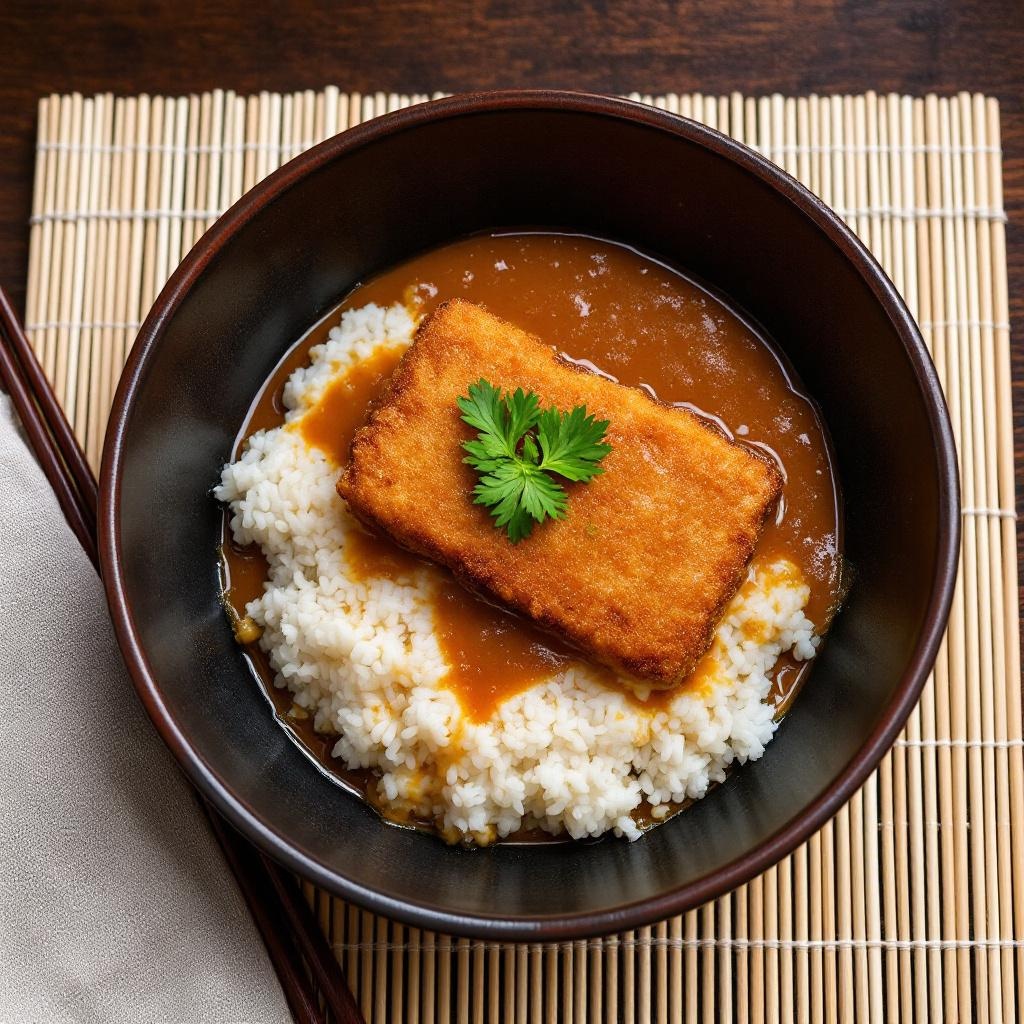
Japanese katsu curry with breaded pork cutlet, curry sauce, and rice
Katsu Curry
1 plate
720
Cal
30g
Protein
76g
Carbs
32g
Fat
Breaded, deep-fried pork cutlet + thick curry sauce + rice. Japan's calorie heavyweight. The katsu alone is 400 cal. Chicken katsu saves 80 cal. The curry sauce adds 120.
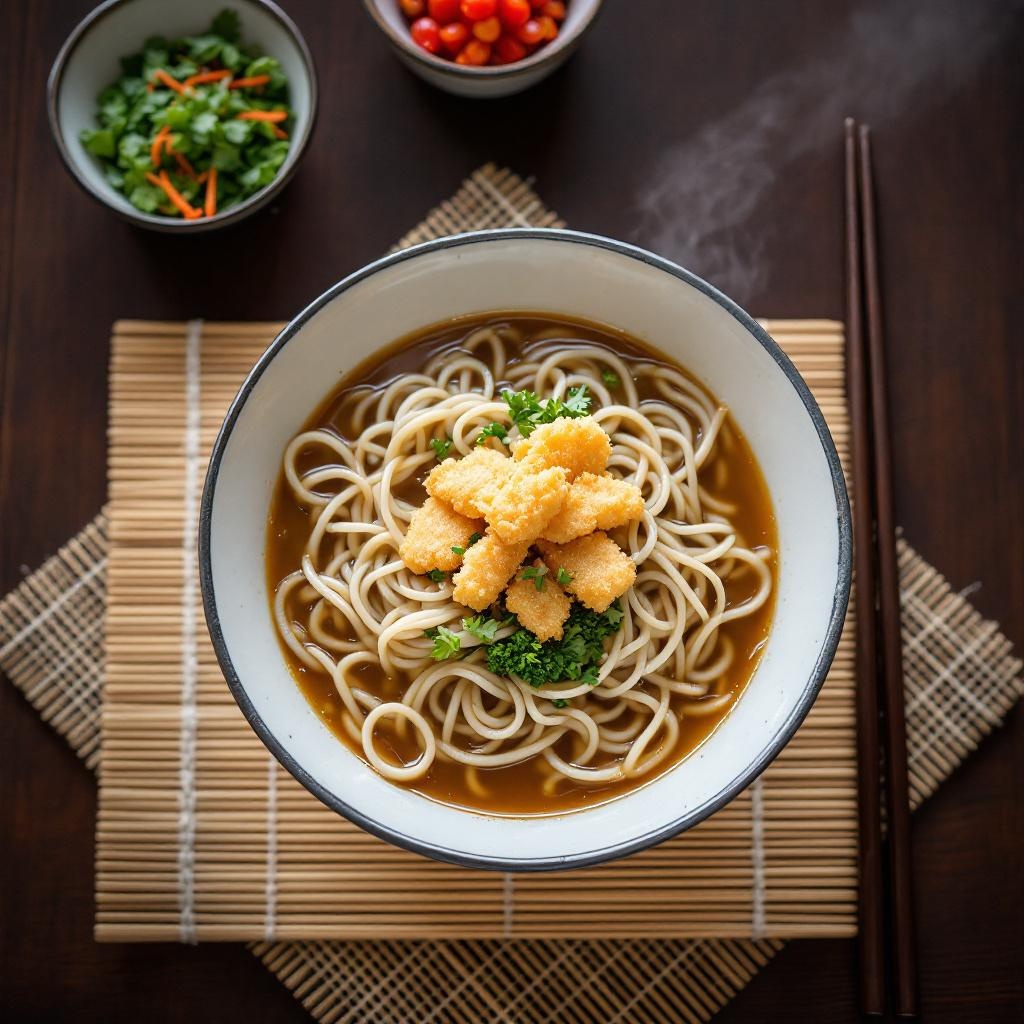
Kake Udon thick wheat noodles in dashi broth
Udon (Kake Udon)
1 bowl
310
Cal
10g
Protein
60g
Carbs
2g
Fat
Thick wheat noodles in dashi broth. The simplest form — noodles, broth, scallion. 310 cal, almost zero fat. Add tempura on top and it jumps to 450+.
Cold soba buckwheat noodles with tsuyu dipping sauce
Soba (Cold, with Dipping Sauce)
1 serving
280
Cal
12g
Protein
52g
Carbs
2g
Fat
Buckwheat noodles served cold with tsuyu dipping sauce. 280 cal, more protein than wheat noodles, nutty flavor. The go-to light Japanese lunch, especially in summer.
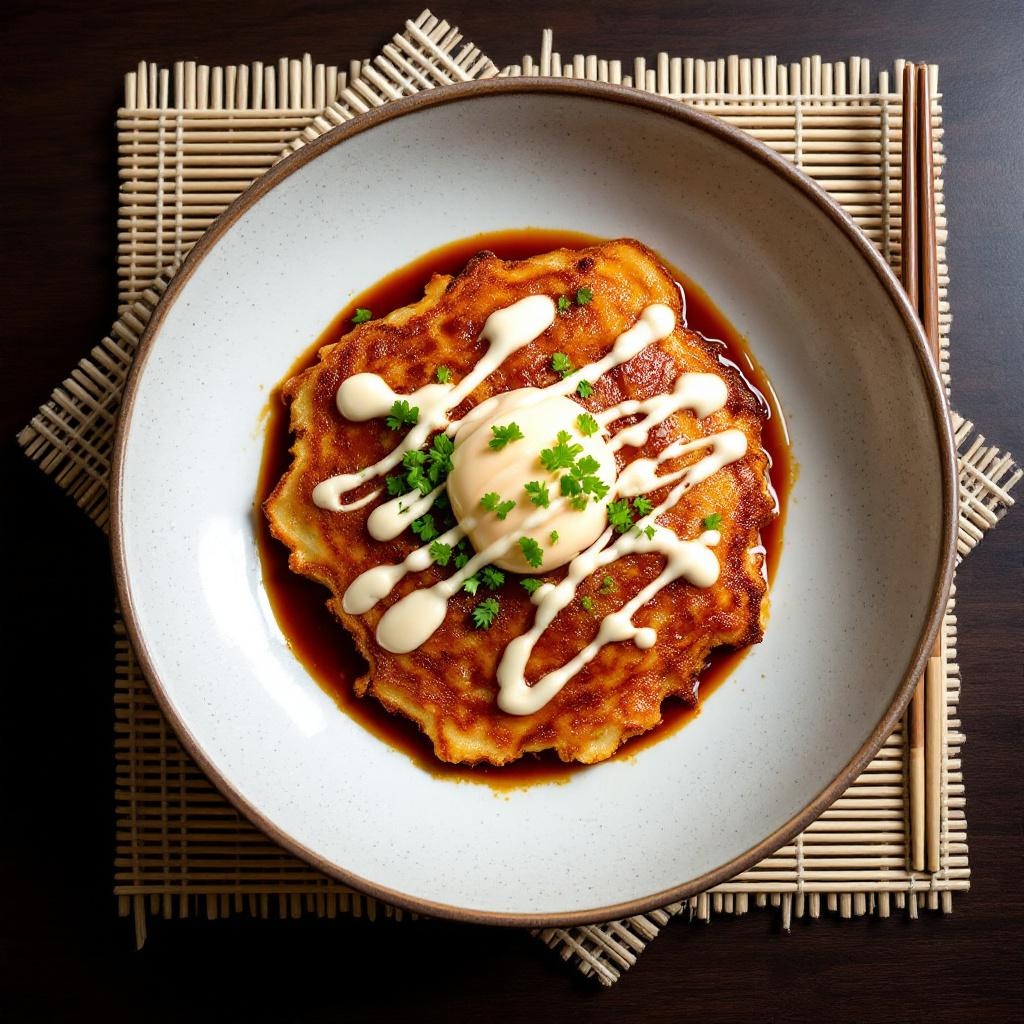
Okonomiyaki Osaka-style savory cabbage pancake with mayo and bonito
Okonomiyaki
1 pancake
500
Cal
20g
Protein
48g
Carbs
24g
Fat
Osaka's cabbage pancake, griddled with batter, pork, and topped with mayo + okonomiyaki sauce + bonito flakes. The mayo alone is 100 cal. But it's a full meal on a plate.
Onigiri Japanese rice ball with nori seaweed wrap
Onigiri (Rice Ball)
1 piece
180
Cal
5g
Protein
36g
Carbs
1g
Fat
Japan's snack of choice. Compacted rice, nori, and a filling (salmon, umeboshi, tuna mayo). 7-Eleven sells 2.5 billion of these per year. 180 cal of portable energy.
Miso Soup with tofu, wakame seaweed, and scallions
Miso Soup
1 bowl
45
Cal
3g
Protein
4g
Carbs
2g
Fat
45 calories. Dashi broth, fermented miso paste, tofu, wakame seaweed. Japan eats this at breakfast, lunch, and dinner. It's basically a free meal addition.
Gyudon Japanese beef bowl with sweet soy-simmered beef over rice
Gyudon (Beef Bowl)
1 bowl (regular)
520
Cal
22g
Protein
68g
Carbs
16g
Fat
Yoshinoya's signature. Thin-sliced beef simmered in sweet soy, piled on rice. Japan's fast food — cheaper and more nutritious than a Big Mac. Ask for "tsuyudaku" (extra sauce) for 20 more calories.
The Sushi Roll Trap

Nigiri: 40-65 cal per piece. A dragon roll with tempura shrimp, avocado, and eel sauce? 500-550 calories. A spider roll (fried soft-shell crab)? 520. American-invented rolls are 3-4x the calories of traditional sushi. Stick to nigiri and simple maki (tuna roll: 180 cal for 6 pieces) and you'll eat a full sushi dinner for under 500 cal.
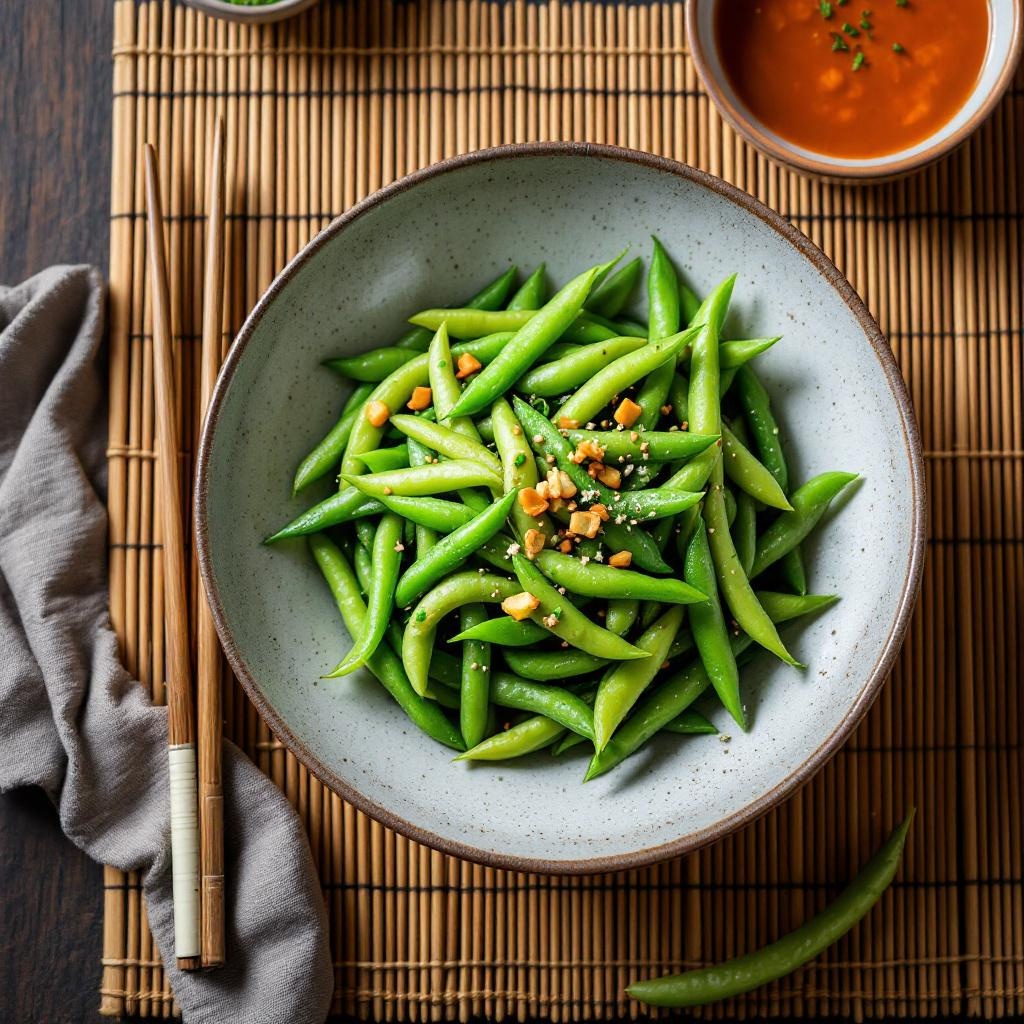
Edamame steamed soybeans in pods with sea salt
Edamame
1 cup (in shells)
120
Cal
11g
Protein
9g
Carbs
5g
Fat
The perfect bar snack. 120 cal, 11g protein, and eating them is slow because you pop each bean from its shell. Engineered for portion control by nature.
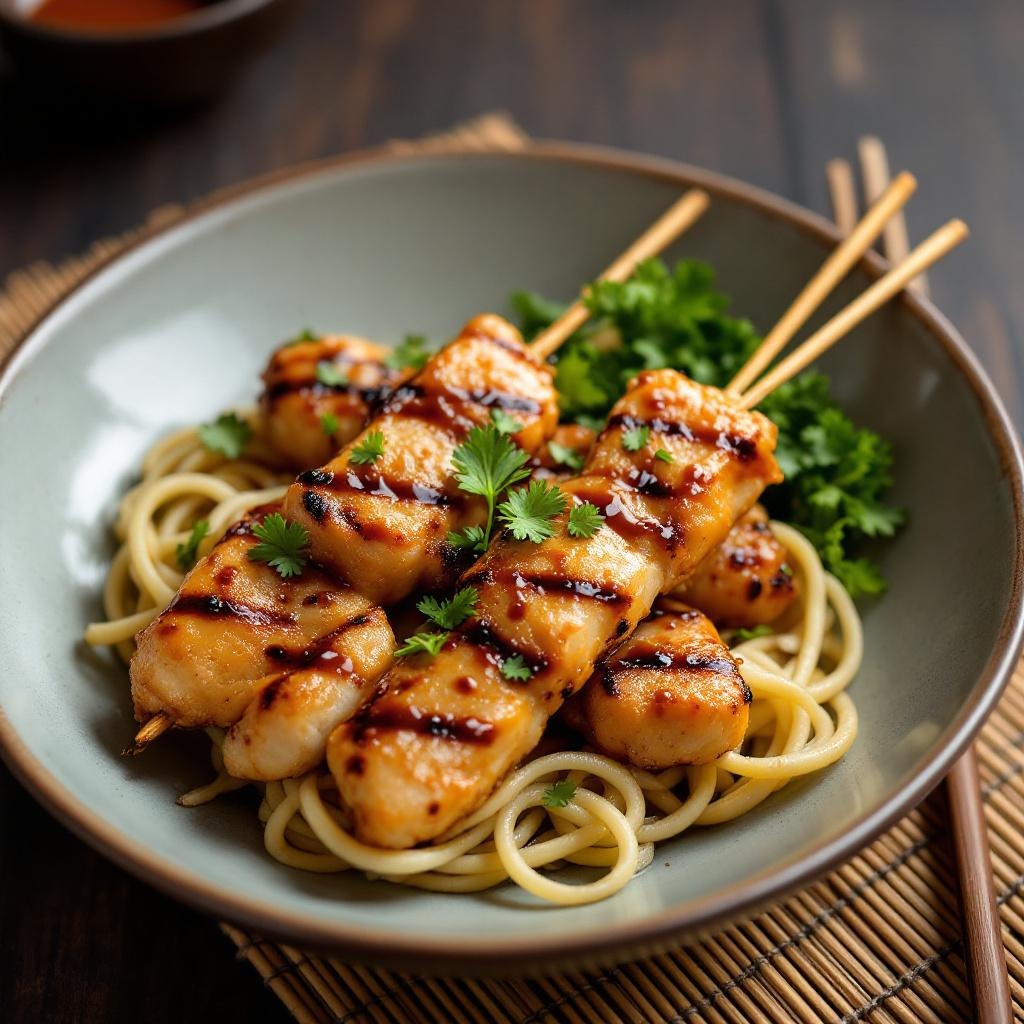
Yakitori Japanese grilled chicken skewers with tare glaze
Yakitori (Chicken Skewers)
3 skewers
210
Cal
22g
Protein
6g
Carbs
10g
Fat
Grilled chicken pieces with tare (sweet soy glaze) or just salt. 70 cal per skewer. Japan's izakaya essential. Order the salt version — 10 fewer calories and you taste the chicken better.
Chirashi bowl with assorted sashimi scattered over sushi rice
Chirashi Bowl
1 bowl
430
Cal
28g
Protein
52g
Carbs
10g
Fat
Assorted sashimi scattered over sushi rice. All the flavors of a sushi dinner in one bowl. More fish, less rice per bite than nigiri. The sushi connoisseur's secret.
Matcha Latte with whisked green tea powder and steamed milk
Matcha Latte
1 cup (with milk)
120
Cal
6g
Protein
14g
Carbs
4g
Fat
Matcha powder + milk + optional sweetener. 120 cal unsweetened. Starbucks' version: 240 cal (extra sugar, whole milk). Make it at home, save 120 cal and $5.
Mochi Ice Cream Japanese rice cake wrapped around ice cream
Mochi Ice Cream
1 piece
100
Cal
1g
Protein
16g
Carbs
3g
Fat
Pounded rice dough wrapping ice cream. 100 cal per piece. The built-in portion control — they're small enough that one actually feels like enough.

Smart Swaps Same cuisine. Less damage.

These aren't sacrifices. They're strategic choices for the nights when you want to eat well and eat smart. Sometimes you'll pick the heavier option — and that's fine too.

Instead OfTrySave
General Tso's Chicken (490)Kung Pao Chicken (320)170 cal
Tonkotsu Ramen (650)Pho Bo (350)300 cal
Dragon Roll (520)6 Nigiri (270)250 cal
Massaman Curry (540)Tom Yum Goong (200)340 cal
Katsu Curry (720)Teriyaki Chicken (480)240 cal
Pad Thai restaurant (550)Larb (250)300 cal
Fried Spring Rolls x4 (440)Fresh Spring Rolls x4 (280)160 cal
Korean Fried Chicken (540)Bulgogi (310)230 cal
Okonomiyaki (500)Chirashi Bowl (430)70 cal
Orange Chicken (510)Cantonese Steamed Fish (190)320 cal
Fried Rice (340)Steamed Rice (200)140 cal
Thai Iced Tea (300)Green Tea (0)300 cal

The biggest swaps are in cooking method (fried vs. steamed/grilled) and broth type (coconut vs. clear). Those two decisions alone can save 200-400 calories per meal.

7-Day Meal Plan — 1,500 Calories Weight loss. Five cuisines. Zero boring meals.

DayBreakfastLunchSnackDinnerTotal
MonCongee+egg (250)Pho Ga (300)Edamame (120)Mapo Tofu+rice (435)1,105
TueOnigiri x2 (360)Larb+rice (450)Miso soup (45)Goi Cuon x4 (280)1,135
WedCa Phe+banh mi (490)Bibimbap (490)Kimchi (15)Tom Yum Goong (200)1,195
ThuMiso soup+rice (245)Com Tam (480)Edamame (120)Wonton Soup (260)1,105
FriOnigiri (180)Som Tum+chicken (370)Mochi x2 (200)Steamed Fish+rice (390)1,140
SatDim Sum (400)Pad Thai (380)Green tea (0)Bulgogi+rice (520)1,300
SunCongee (120)Pho Bo (350)Spring Roll x2 (140)Sushi 8pc (360)970
Weekly: ~7,950 | Buffer: 2,550 cal

Saturday has dim sum + Pad Thai + bulgogi. Sunday has pho + sushi. 2,550 calories of buffer for snacks, drinks, or a bigger Saturday dinner. That's the weekly budget at work.

7-Day Meal Plan — 1,800 Calories Moderate loss. Korean BBQ Saturday. Ramen Sunday.

DayBreakfastLunchSnackDinnerTotal
MonBanh Mi (360)Bibimbap (490)Edamame (120)Tom Kha Gai (320)1,290
TueCongee+egg (250)Bun Cha (420)Gyoza x6 (280)Kung Pao+rice (520)1,470
WedOnigiri x2 (360)Green Curry (480)Miso soup (45)Sushi 8 nigiri (360)1,245
ThuCa Phe+banh mi (490)Kimchi Jjigae (410)Som Tum (120)Teriyaki+rice (480)1,500
FriDim Sum (400)Pho Bo (350)Satay x4 (340)Japchae+rice (480)1,570
SatCom Tam (480)Pad Thai (380)Mochi x2 (200)KBBQ light (900)1,960
SunOnigiri (180)Tonkotsu Ramen (650)Green tea (0)Goi Cuon+Bun (560)1,390
Weekly: ~10,425 | Buffer: 2,175 cal

Saturday: Korean BBQ night. Sunday: ramen for lunch. Still 2,175 under budget. Two big meals per week, five light-to-moderate days. That's sustainable. That's living.

The Weekly Budget Count weekly, not daily. Your body doesn't reset at midnight.

Here's the idea behind Calorique: stop policing every meal and start managing your week.

At 1,800 cal/day, your weekly budget is 12,600 calories. That's the number that matters. Not whether Tuesday lunch was 50 calories over some arbitrary daily limit.

1

Light pho lunch = room for KBBQ dinner.

Pho Ga for lunch: 300 cal. That leaves 1,500 for dinner. Enough for a full Korean BBQ spread with room to spare. This isn't cheating. It's budgeting.

2

Five light days fund two big ones.

Eat 1,400 cal Mon-Fri (7,000 total). Saturday and Sunday: 2,800 cal each. Ramen, BBQ, dim sum, mango sticky rice. All of it. Still on budget.

3

Miso soup is a free meal.

45 cal. Edamame: 120 cal. Kimchi: 15 cal. Tom yum: 200 cal. Asian cuisines are full of low-calorie, high-satisfaction options that make weekly budgeting easy. Use them as anchors on your light days.

The Real Goal

You should never feel like you can't eat the foods you love. You just need to know the numbers and plan around them. That's all calorie awareness is: information that gives you freedom.

Three Key Takeaways

1

Asian food is not one thing.

A bowl of miso soup is 45 calories. A bowl of tonkotsu ramen is 650. Steamed fish: 190. Katsu curry: 720. The cuisine isn't the variable. The dish is. Know the dish.

2

Home cooking changes everything.

Restaurant Chinese: 40-60% more calories. Restaurant Thai: 50-70% more coconut milk. Home-cooked Asian food, with controlled oil and portions, is genuinely some of the healthiest eating in the world. The wok is your friend.

3

Knowledge is the point.

Knowing a dragon roll is 520 cal doesn't mean you stop ordering dragon rolls. It means you order it alongside miso soup instead of another roll. It means you eat pho for lunch that day. It means you enjoy it completely, because you made it fit. That's winning.

Five countries. Hundreds of dishes. One guide. Now you know the numbers. Go eat.

Track It All in Calorique

Every dish in this guide is in the app.

Chinese, Thai, Korean, Vietnamese, Japanese — all counted right.

Search, log, and see how it fits your weekly budget.

Download on the App Store Get it on Google Play
Browse More Guides

Disclaimer

This guide is for educational and informational purposes only. It is NOT medical advice and does not replace consultation with a registered dietitian, nutritionist, or healthcare provider.

Calorie and macronutrient values are estimates based on standard home-cooked preparations. Actual values vary based on ingredients, cooking methods, portion sizes, and regional variations. Restaurant preparations typically contain 30-60% more calories than home-cooked versions.

The Calorique Experts are not registered dietitians or licensed nutritionists. This guide has not been reviewed or endorsed by any dietetic association.

Individual nutritional needs vary based on age, sex, activity level, health conditions, and other factors. Consult a qualified healthcare provider before making significant dietary changes.

Sources

  1. Willcox BJ, et al. "Caloric Restriction, the Traditional Okinawan Diet, and Healthy Aging." Annals of the NY Academy of Sciences, 2007
  2. USDA FoodData Central — Nutrient Database (fdc.nal.usda.gov)
  3. Park KY, et al. "Health Benefits of Kimchi." Journal of Medicinal Food, 2014
  4. WHO Technical Report Series. "Diet, Nutrition and the Prevention of Chronic Diseases." 2003
  5. Harvard T.H. Chan School of Public Health — The Nutrition Source
  6. National Institute of Health and Nutrition, Japan — Standard Tables of Food Composition