Welcome
You know the drill. It's Sunday. You're meal prepping. Chicken breast. Broccoli. Rice. Again. For the 47th week in a row. Your body is getting the protein. Your soul is dying.
Here's the truth nobody in the fitness industry will tell you: every cuisine on earth has high-protein foods. You just don't know about them because the mainstream fitness world thinks protein only comes in three flavors: chicken, eggs, and whey.
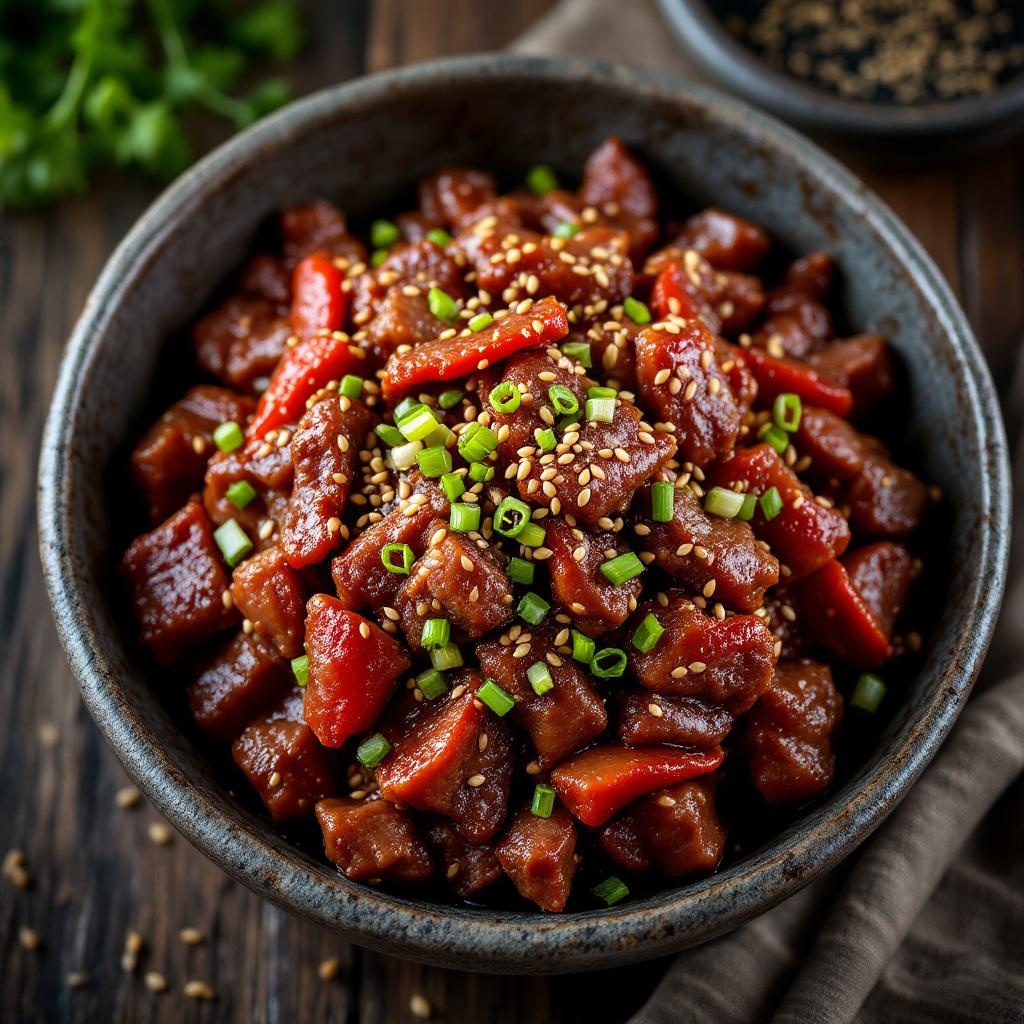
Your grandmother's dal has 12g of protein per cup. Korean bulgogi packs 25g per serving. Ethiopian doro wat delivers 25g with a flavor profile that makes grilled chicken breast weep into its own blandness. A Mexican black bean bowl gives you 15g of protein per cup for less than a dollar.
This guide is for everyone who wants to hit 150g of protein a day without eating like a robot. Whether you're vegetarian, whether you eat meat, whether your kitchen smells like garam masala or gochujang or cumin — your food already has the protein. You just need to know where to find it.
— The Calorique Experts
The Protein Math
How much do you actually need?
Let's kill the confusion. In 2018, Morton et al. published a massive meta-analysis in the British Journal of Sports Medicine covering 49 studies and 1,863 participants. The conclusion: 1.6 to 2.2g of protein per kilogram of body weight per day maximizes muscle protein synthesis during resistance training. That's the number. Not a bro-science estimate — a peer-reviewed, statistically robust finding.
The old gym rule of "1 gram per pound of body weight" lands right in that range for most people. An 80kg (176 lb) person needs 128–176g daily. If you're cutting, go higher — closer to 2.2g/kg — because protein preserves muscle in a deficit. If you're lean-bulking, 1.6g/kg is plenty.
Muscle protein synthesis doesn't just respond to "some protein" — it needs a leucine trigger. Research shows you need 2.5-3g of leucine per meal to flip the MPS switch, which translates to roughly 25-40g of protein per meal from mixed sources (Schoenfeld & Aragon, 2018). Three to four meals a day at 30-40g each is the sweet spot.
Less than you think. Aragon & Schoenfeld (2013) dismantled the "30-minute anabolic window" myth. Total daily protein intake matters far more than timing. That said, spreading intake across 3-4 meals (vs. dumping 100g at dinner) does improve 24-hour MPS. Don't stress about your post-workout shake being 45 minutes late. Do stress about hitting your daily number.
Protein Quality & The Vegetarian Question
Not all protein is equal. The PDCAAS (Protein Digestibility Corrected Amino Acid Score) ranks sources by amino acid completeness and digestibility. Eggs, dairy, and meat score 1.0 (perfect). Soy and chickpeas score 0.78. Rice: 0.56. Wheat: 0.42.
But here's what matters: you can combine incomplete proteins to get all essential amino acids. Rice + beans = complete protein. Dal + rice = complete protein. Hummus + pita = complete protein. Your ancestors figured this out centuries before PDCAAS was invented.
Tell that to the millions of jacked Indian wrestlers eating dal, paneer, and milk. Tell it to the Buddhist monks in Shaolin. Paneer delivers 18g per 100g. Greek yogurt: 17g per cup. Two eggs: 14g. A cup of moong dal: 12g. A cup of rajma: 15g. A vegetarian eating strategically can absolutely hit 150g/day — it just takes more planning than tossing a chicken breast on a grill.
Chicken breast: 31g protein per 165 calories. Paneer: 18g per 265 calories. Greek yogurt: 17g per 100 calories. Lentils: 12g per 230 calories. If you're cutting, protein-per-calorie matters enormously. If you're bulking, it matters less — you have calories to spare. Know your goal, pick your source.
The Global Protein Cheat Sheet
Best high-protein sources from every cuisine, at a glance.
| Cuisine | Dish | Protein | Calories |
|---|---|---|---|
| Indian | Tandoori Chicken (leg) | 31g | 260 |
| Paneer Tikka (150g) | 27g | 390 | |
| Rajma (1 cup) | 15g | 225 | |
| Mexican | Carne Asada (150g) | 39g | 290 |
| Black Beans (1 cup) | 15g | 227 | |
| Korean | Bulgogi (150g) | 37g | 310 |
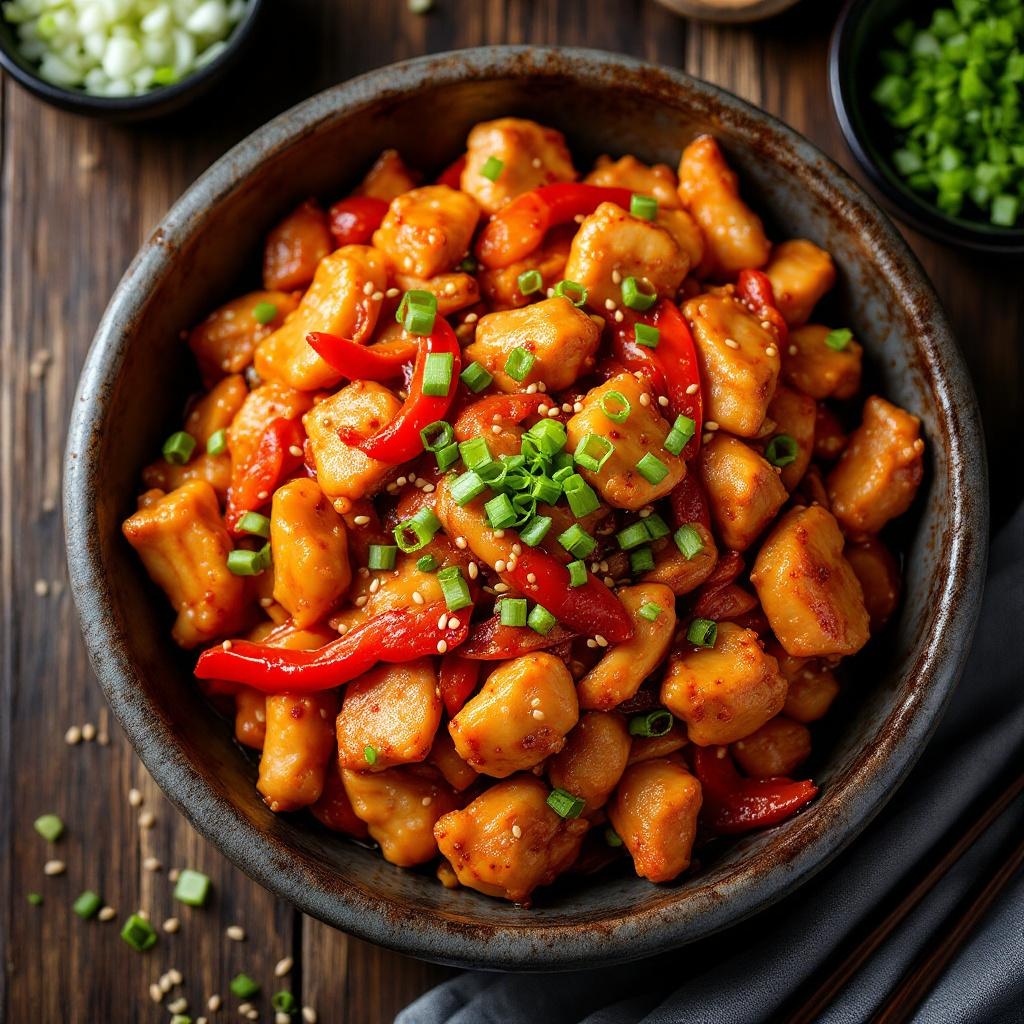
| Dakgalbi (serving) | 33g | 340 | |
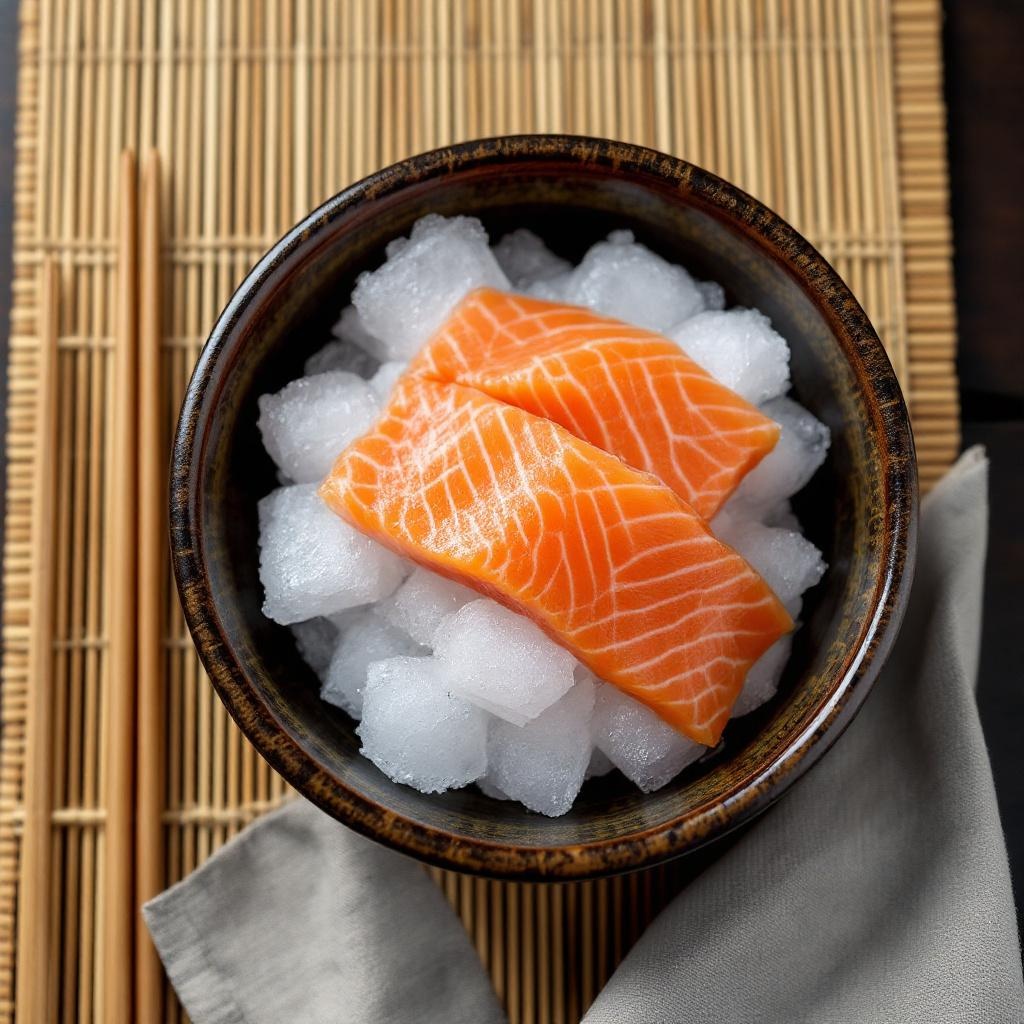
| Japanese | Salmon Sashimi (150g) | 38g | 280 |
| Chicken Katsu | 28g | 380 | |
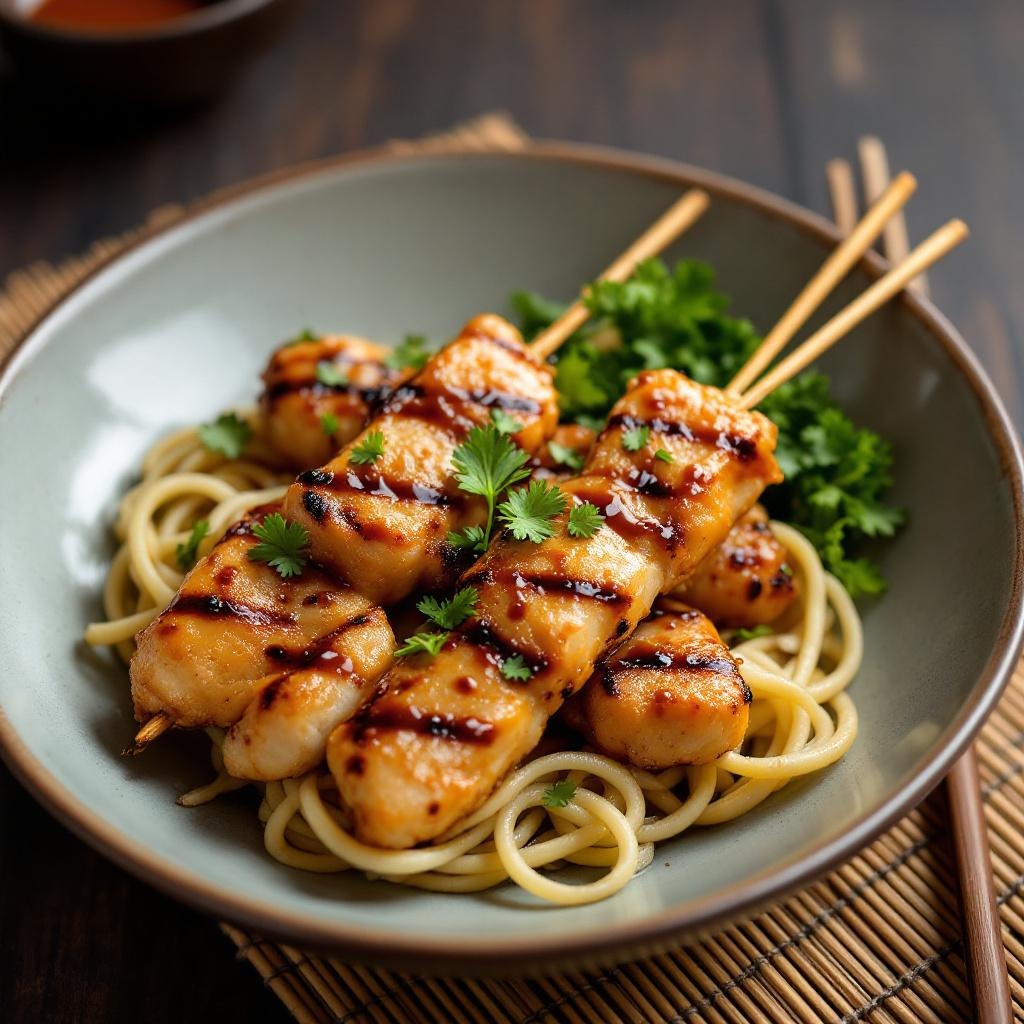
| Thai | Chicken Satay (5 skewers) | 36g | 320 |
| Larb Gai | 22g | 240 | |
| Mediterranean | Chicken Souvlaki | 34g | 280 |
| Grilled Sea Bass | 30g | 220 | |
| Chinese | Kung Pao Chicken | 28g | 350 |
| Steamed Fish (tilapia) | 26g | 200 | |
| Vietnamese | Bun Cha | 28g | 380 |
| Pho Bo (extra beef) | 26g | 420 | |
| Ethiopian | Doro Wat | 25g | 340 |
| Kitfo | 24g | 260 | |
| Middle Eastern | Chicken Shawarma | 32g | 350 |
| Lamb Kofta (3 pcs) | 26g | 320 |
Indian High-Protein
73% of Indians are protein-deficient. The food isn't the problem — the strategy is.
According to the IMRB survey (2017), nearly three-quarters of Indian diets fall short on protein. But Indian cuisine is loaded with protein sources — dal, paneer, chicken, fish, eggs, legumes, yogurt. The issue isn't availability. It's that most Indian meals default to carb-heavy plates: extra rice, extra roti, small dal servings. Flip the ratio and you've got a protein powerhouse.
Non-Vegetarian Indian Dishes
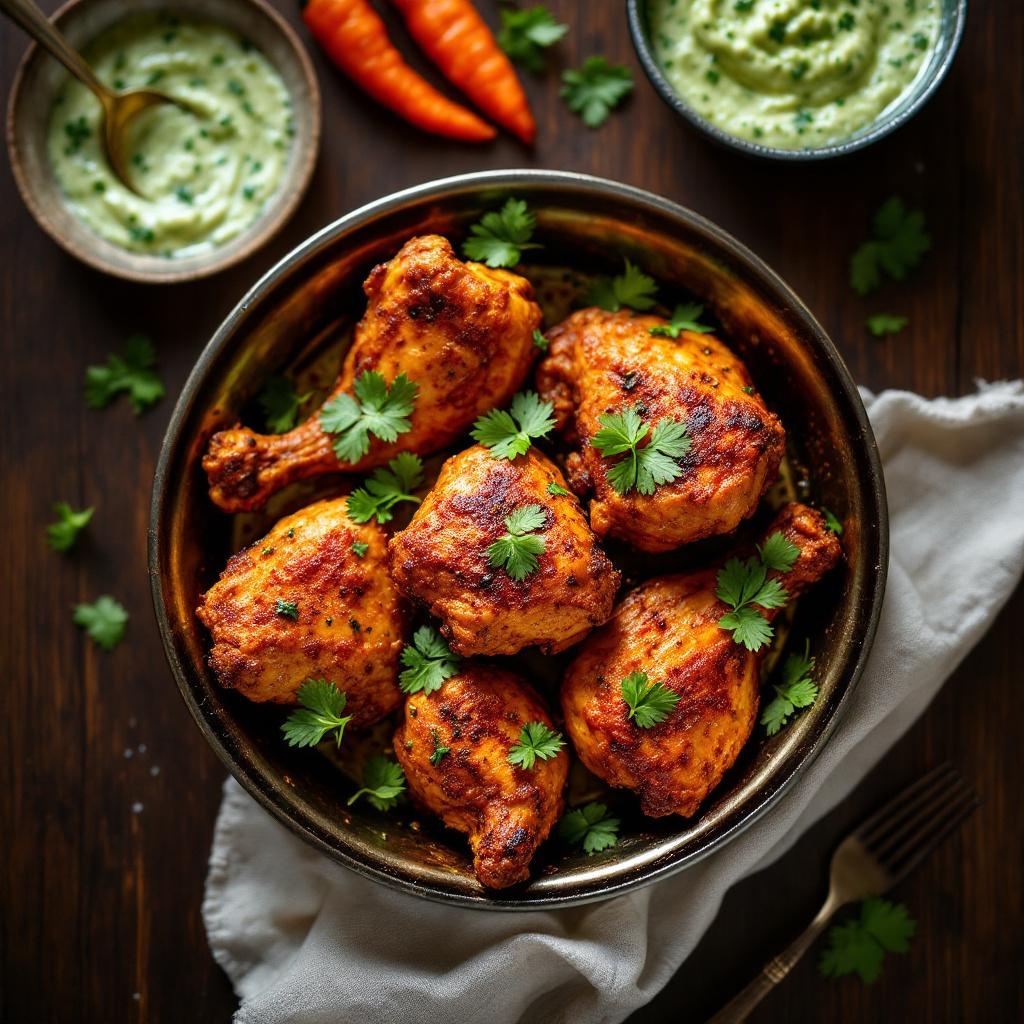
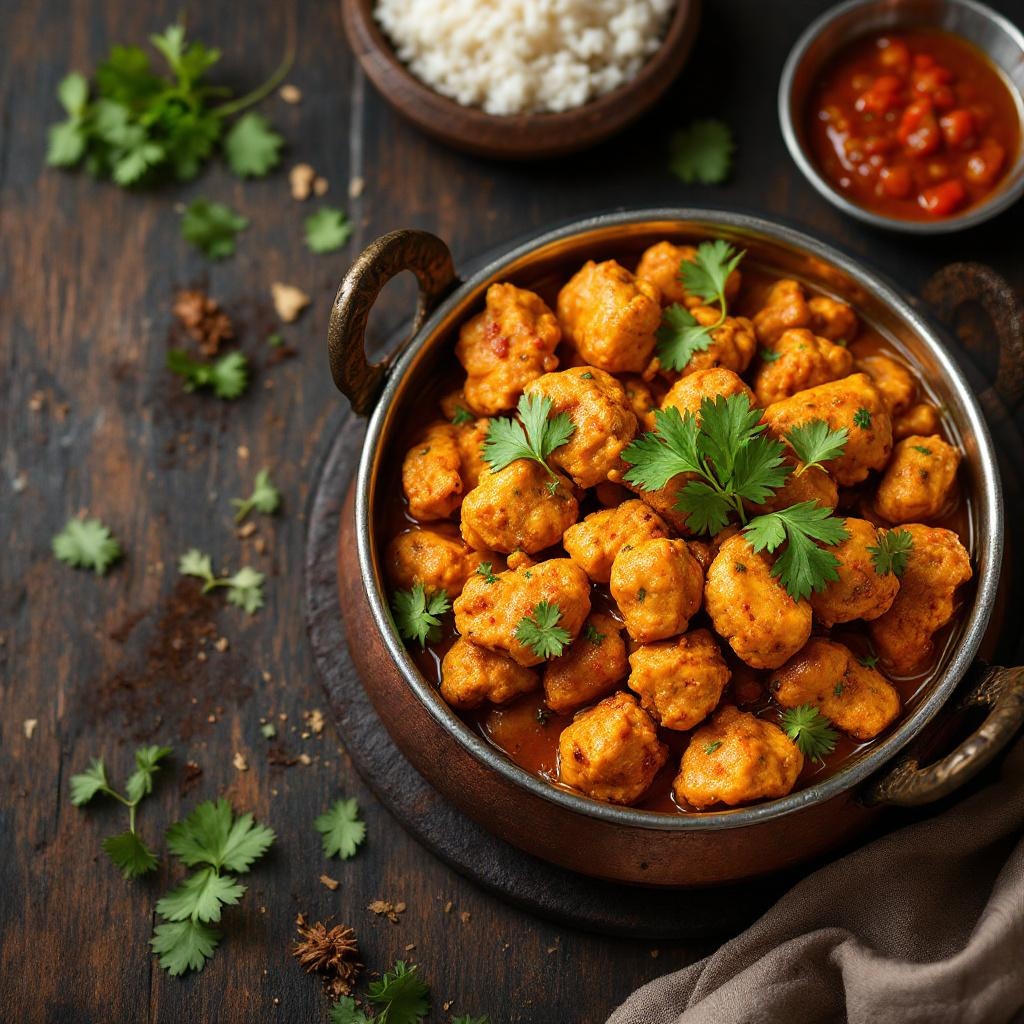
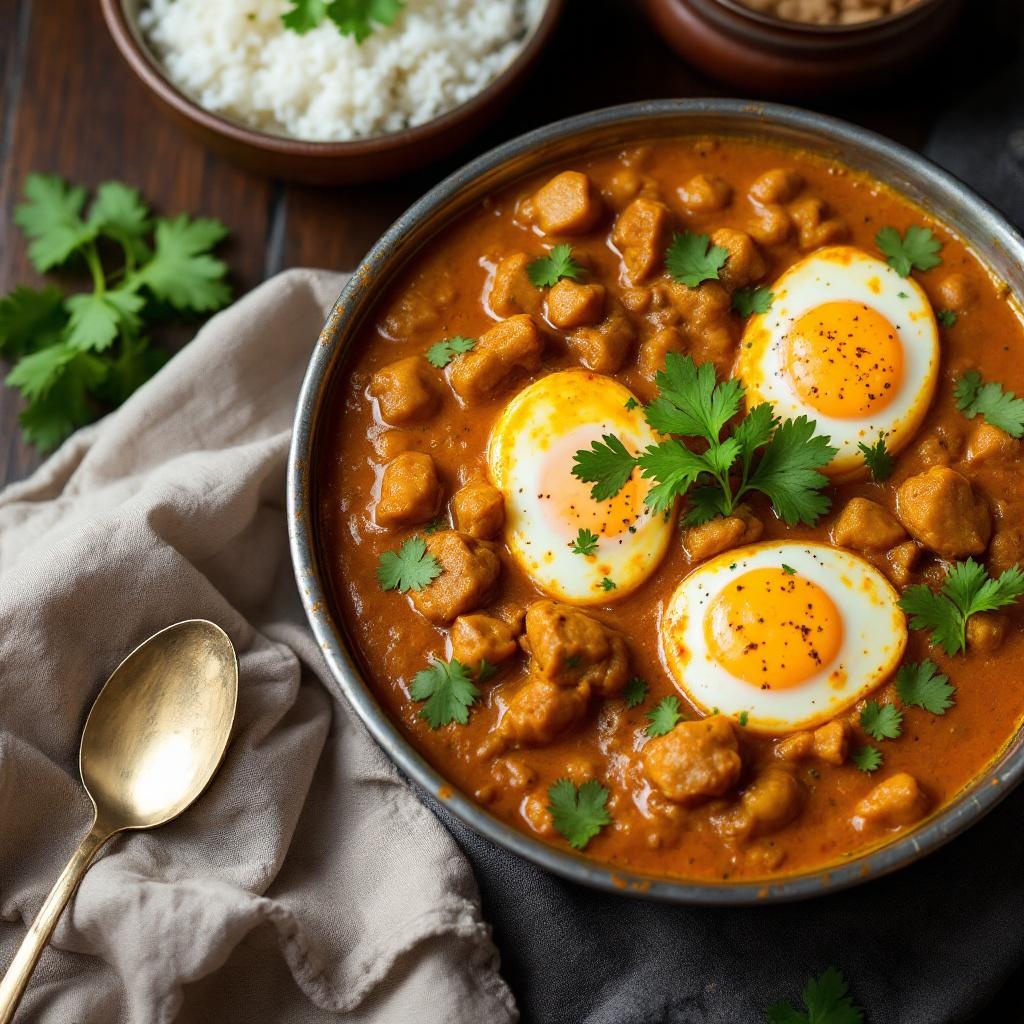
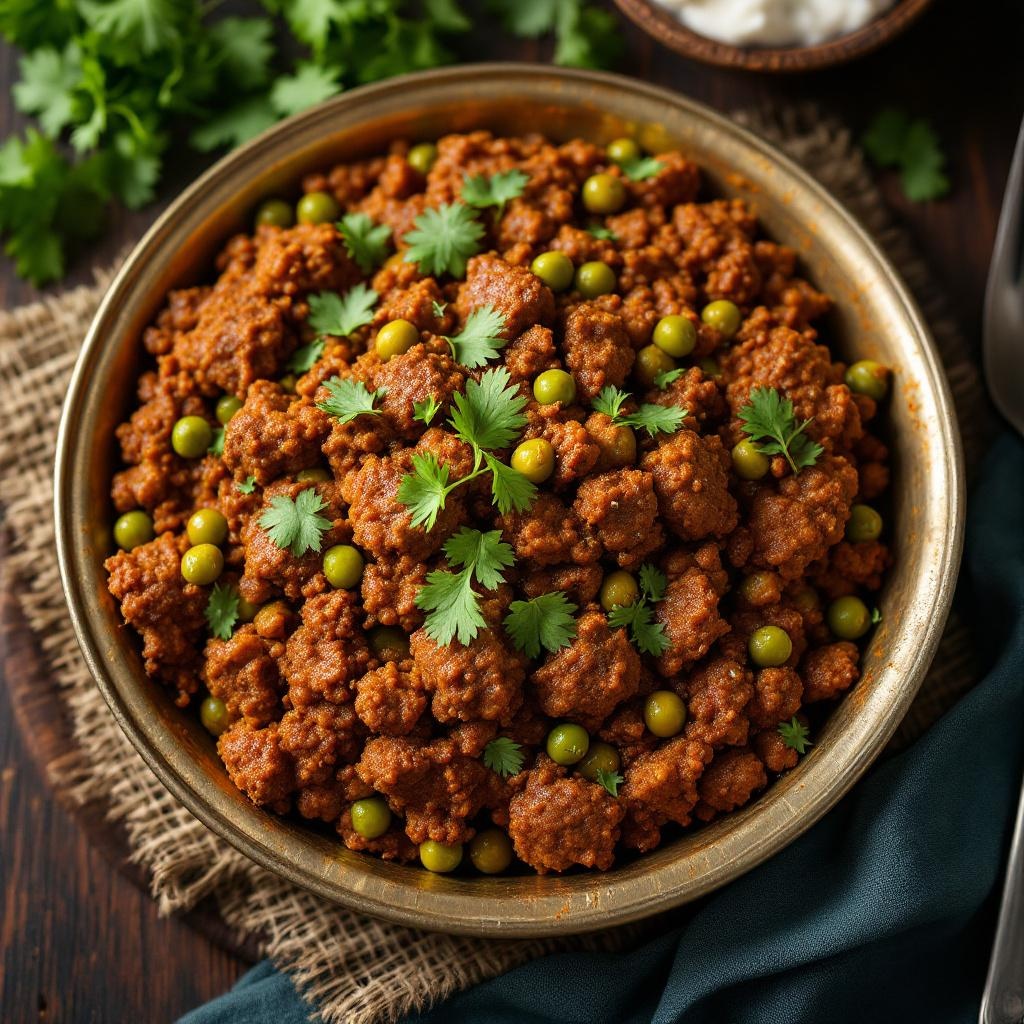
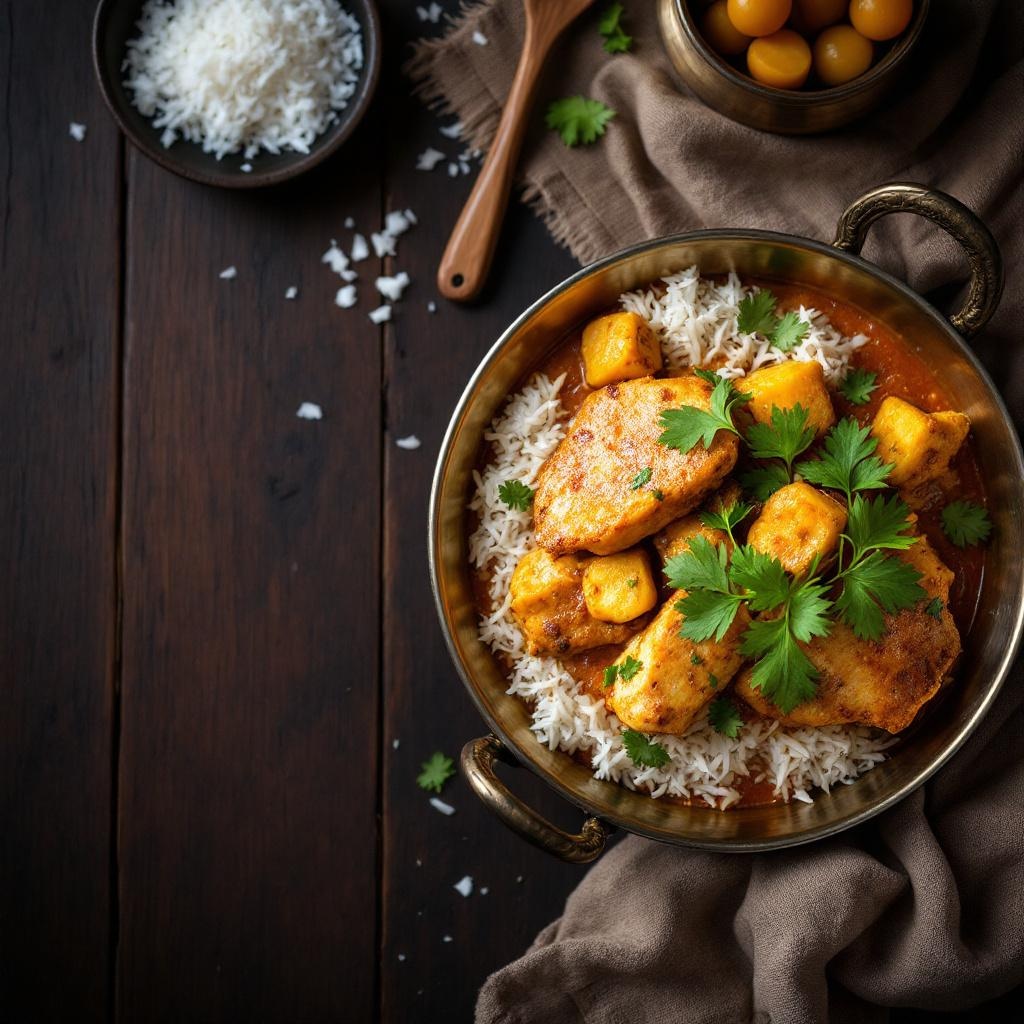
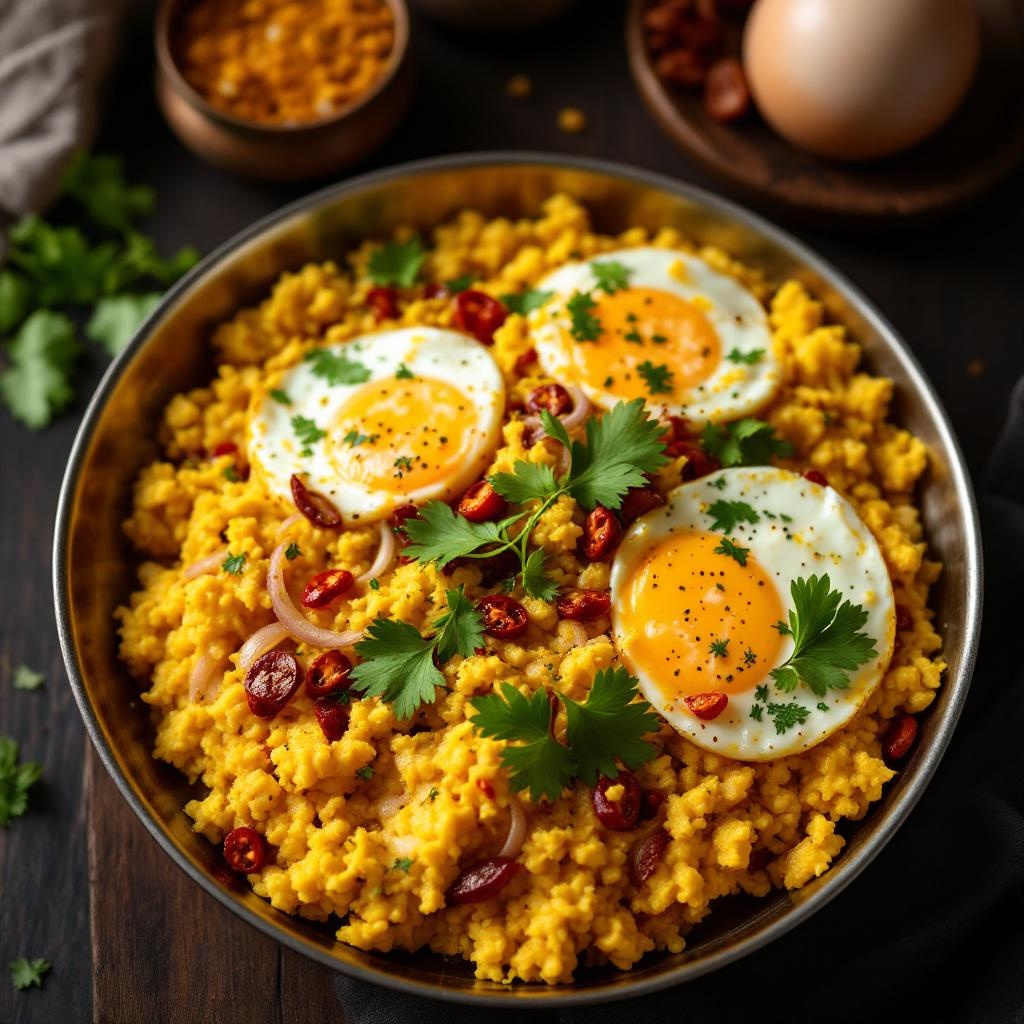
Vegetarian Indian Dishes
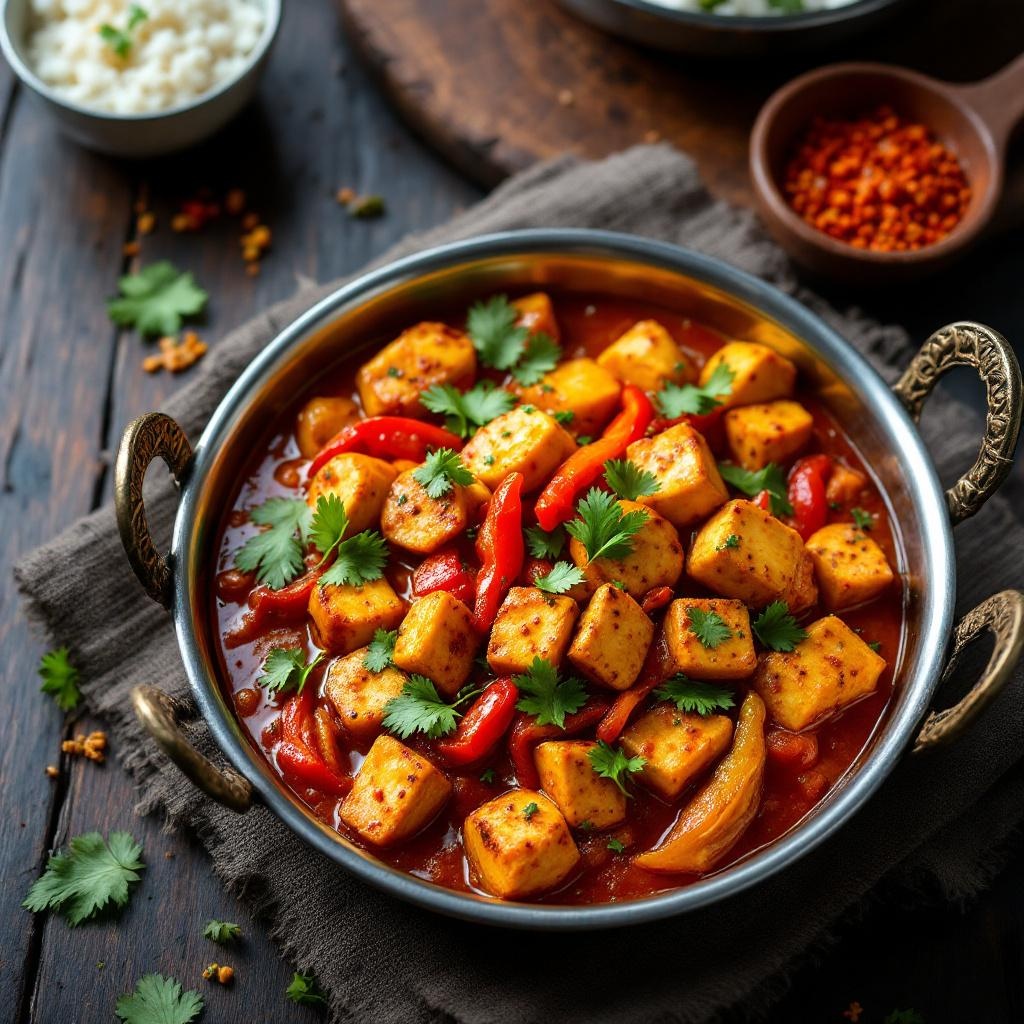
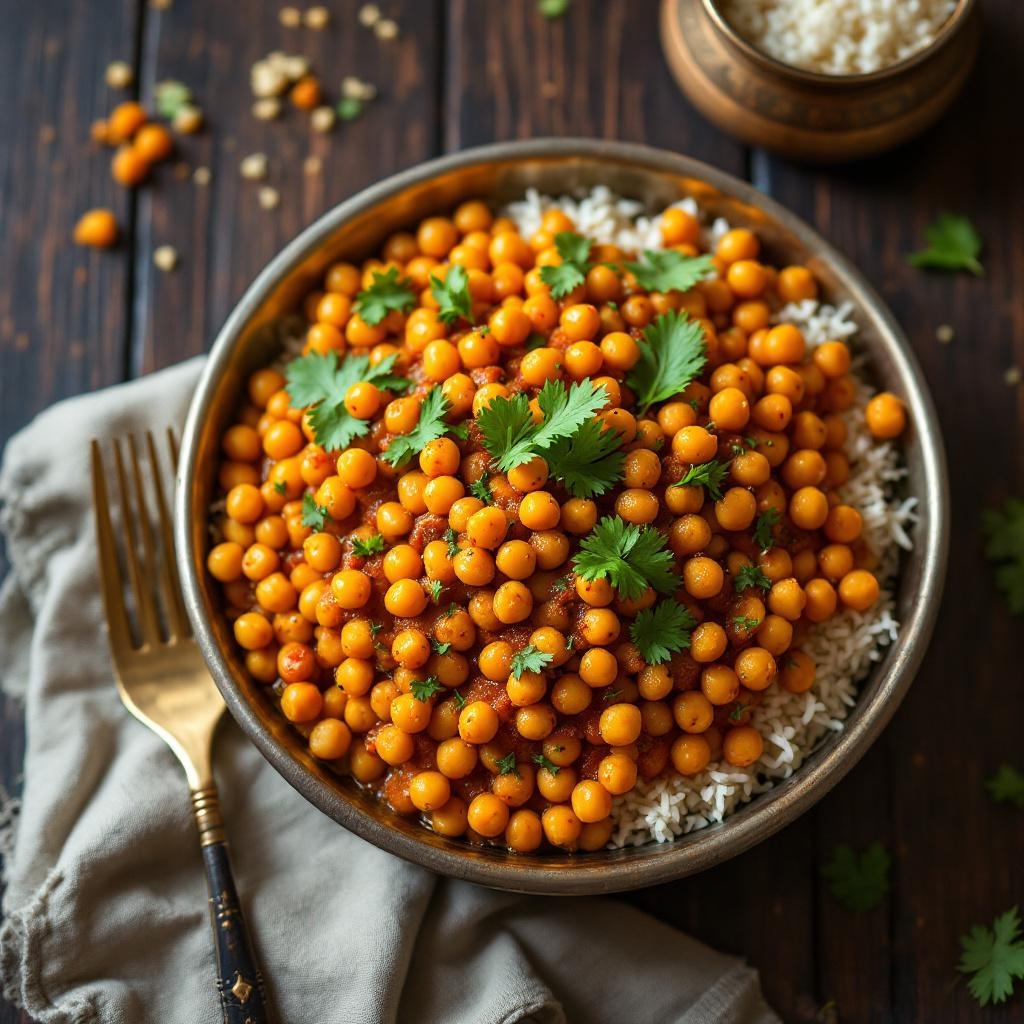
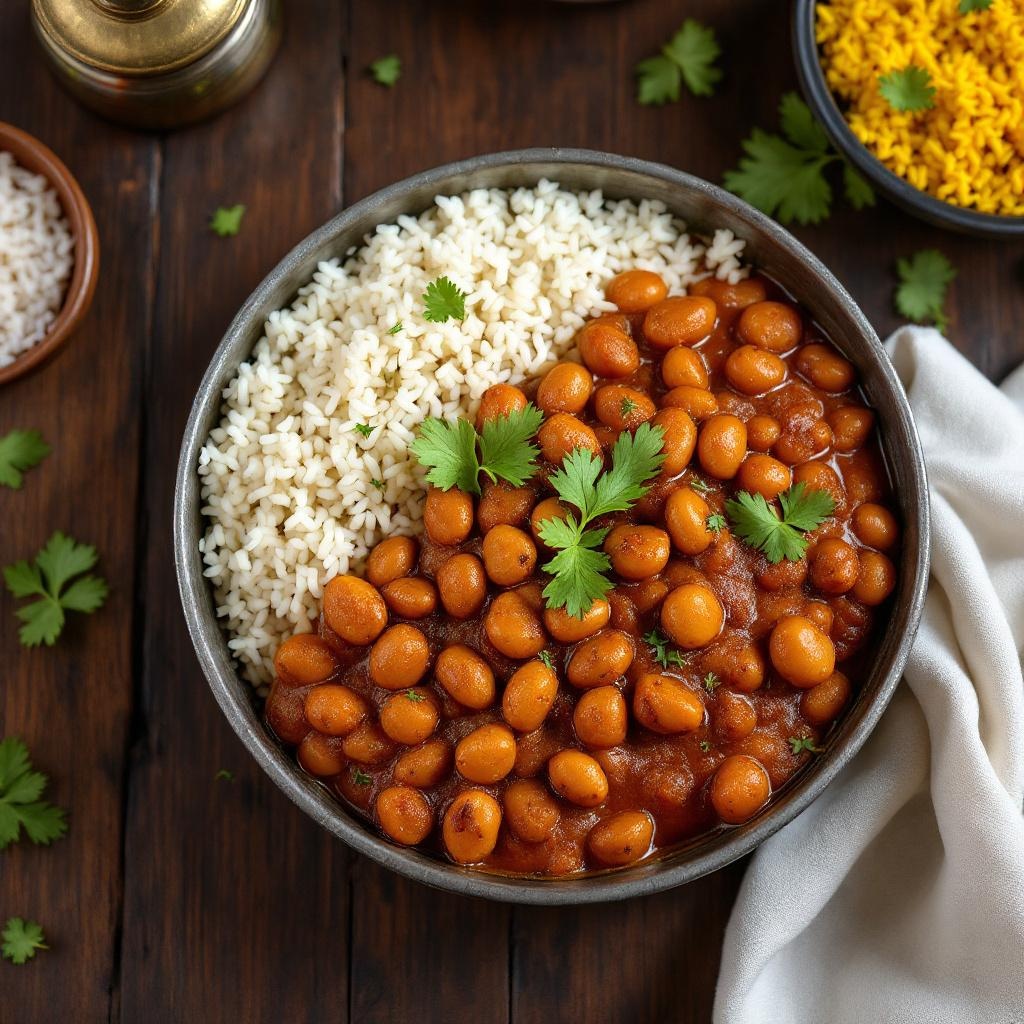
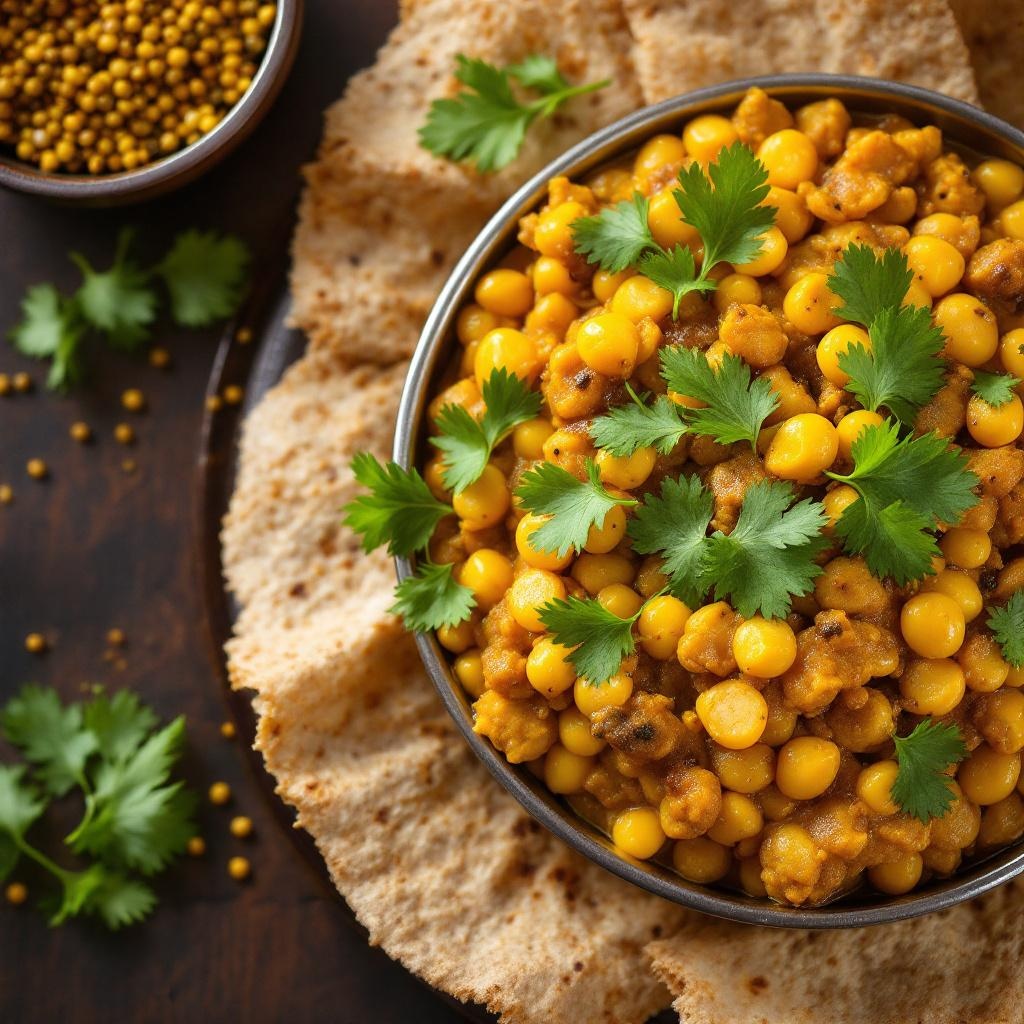
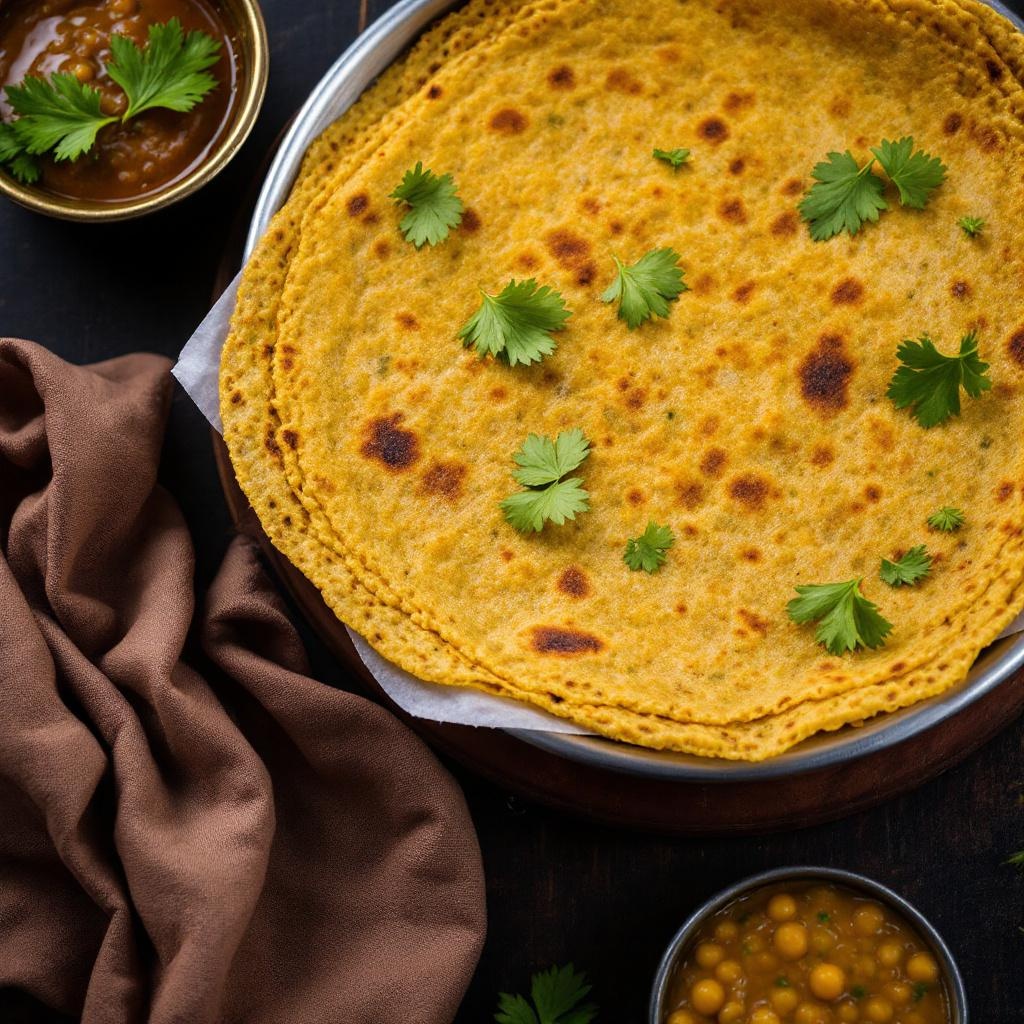
Paneer: 18g protein per 100g (265 cal). Chicken breast: 31g per 100g (165 cal). Chicken wins on protein-per-calorie by a mile. But paneer holds its own for vegetarians — especially when you're bulking and need the extra calories anyway. On a cut? Chicken. On a bulk? Paneer works just fine.
Blend a scoop of whey into traditional chaas (buttermilk). You get 30g protein in a drink that tastes like a spiced smoothie. Cumin, salt, a pinch of chaat masala. Post-workout desi style. Your gym bros will ask for the recipe.
Mexican High-Protein
Beans + rice = complete protein. This cuisine was built for gains.
Mexican food gets a bad rap in fitness circles because people think of it as cheese-drenched nachos. Wrong. Traditional Mexican cuisine — beans, grilled meats, salsas, corn tortillas — is one of the most naturally protein-dense food systems on the planet. Black beans alone deliver 15g protein per cup for about 50 cents. And rice + beans together form a complete protein with all essential amino acids. The Aztecs figured this out around 1400 AD.
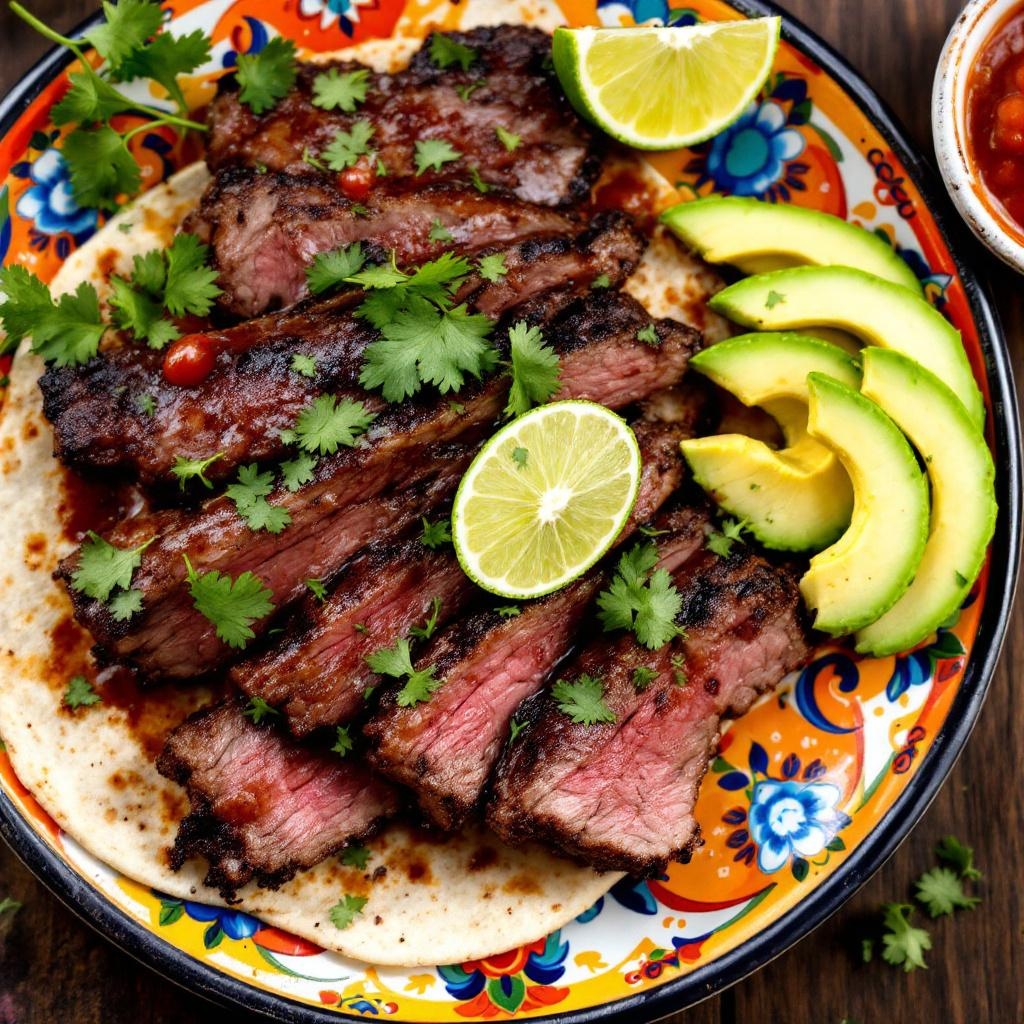
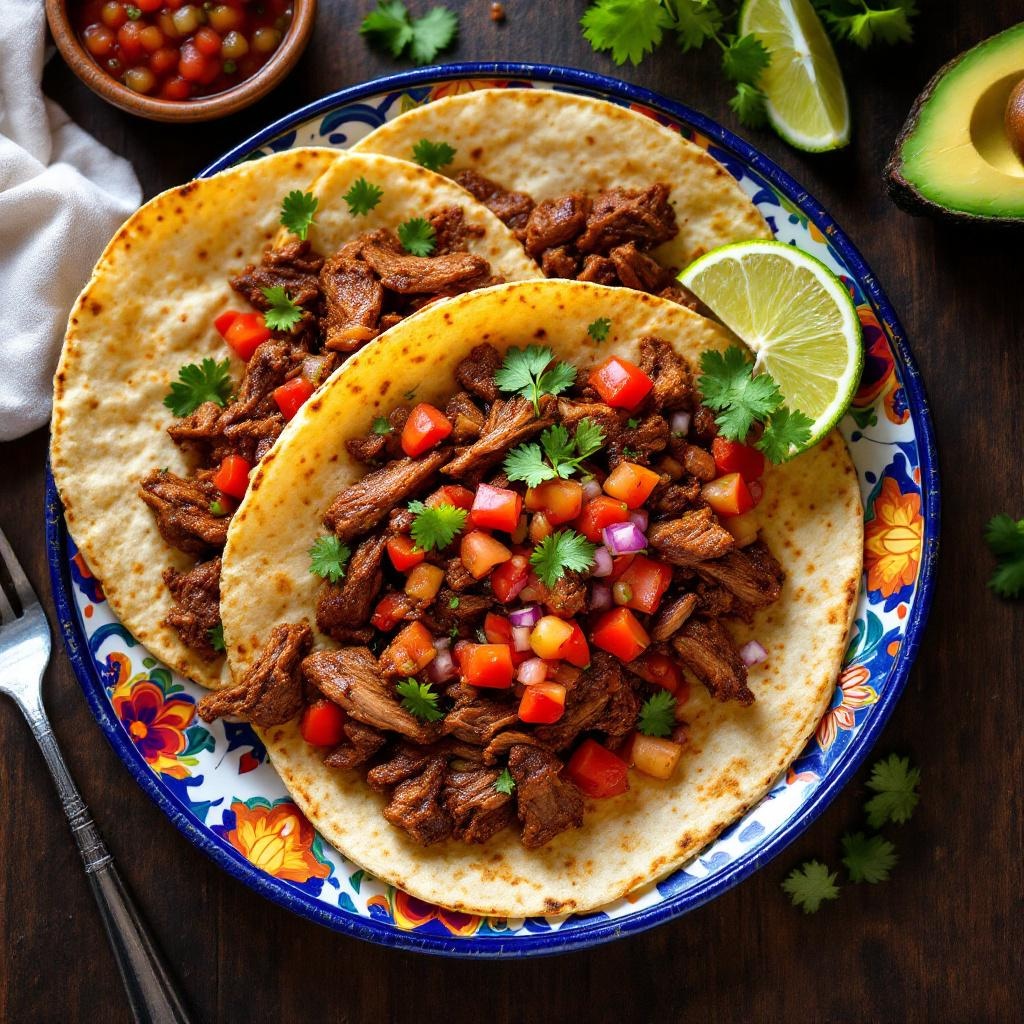
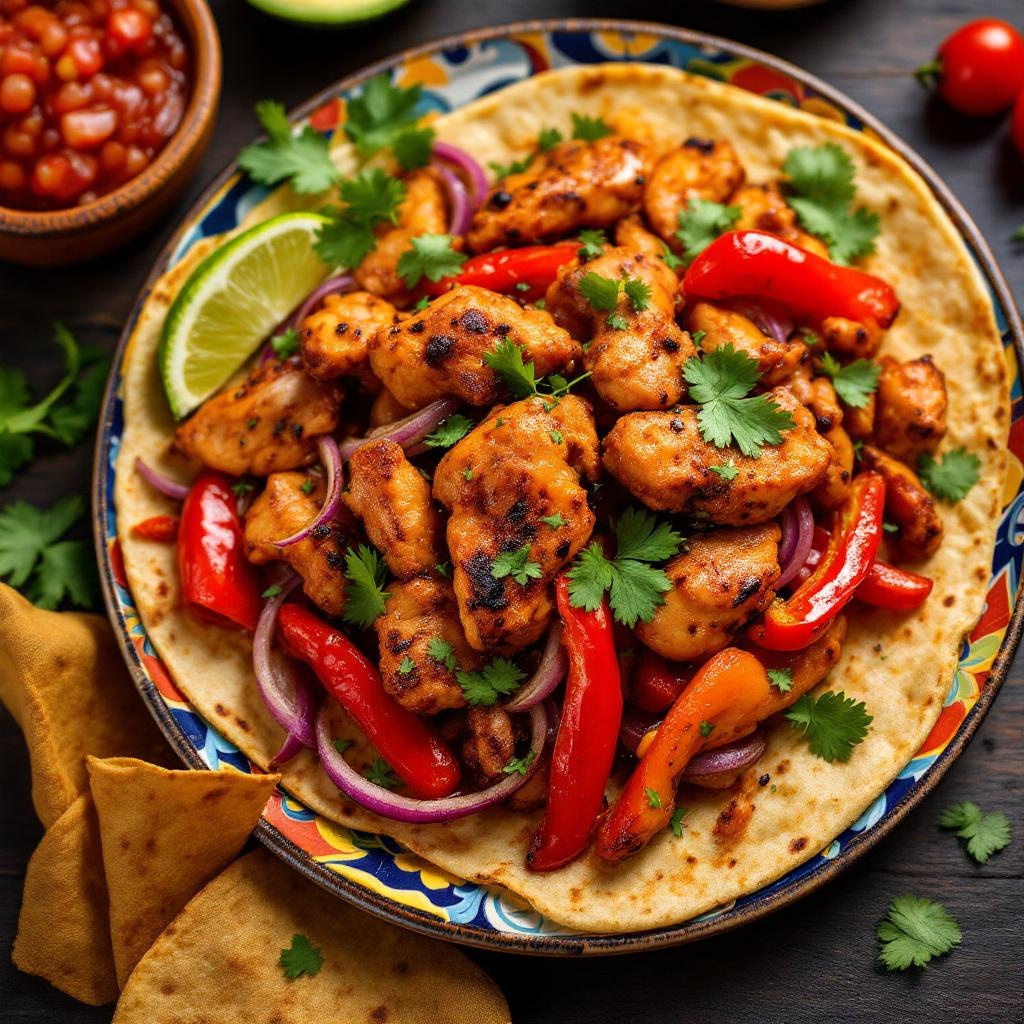
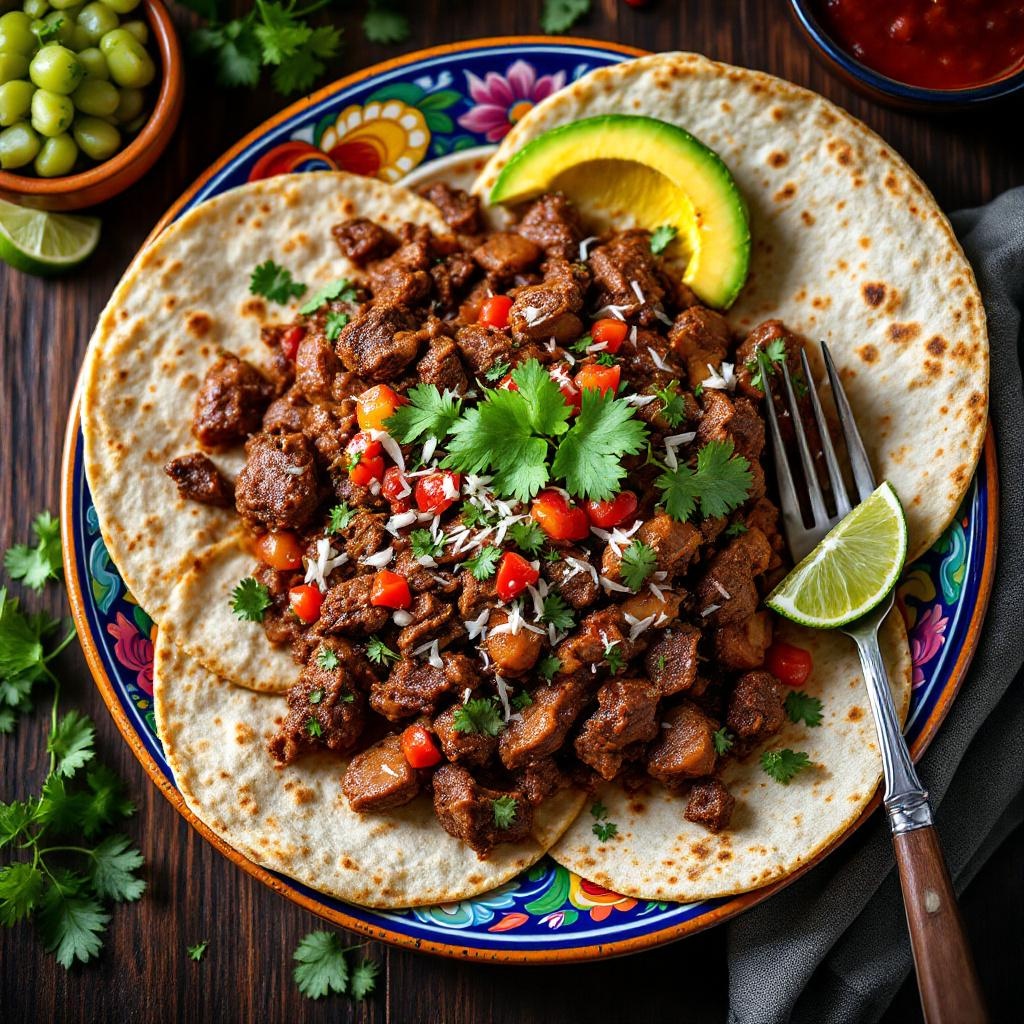
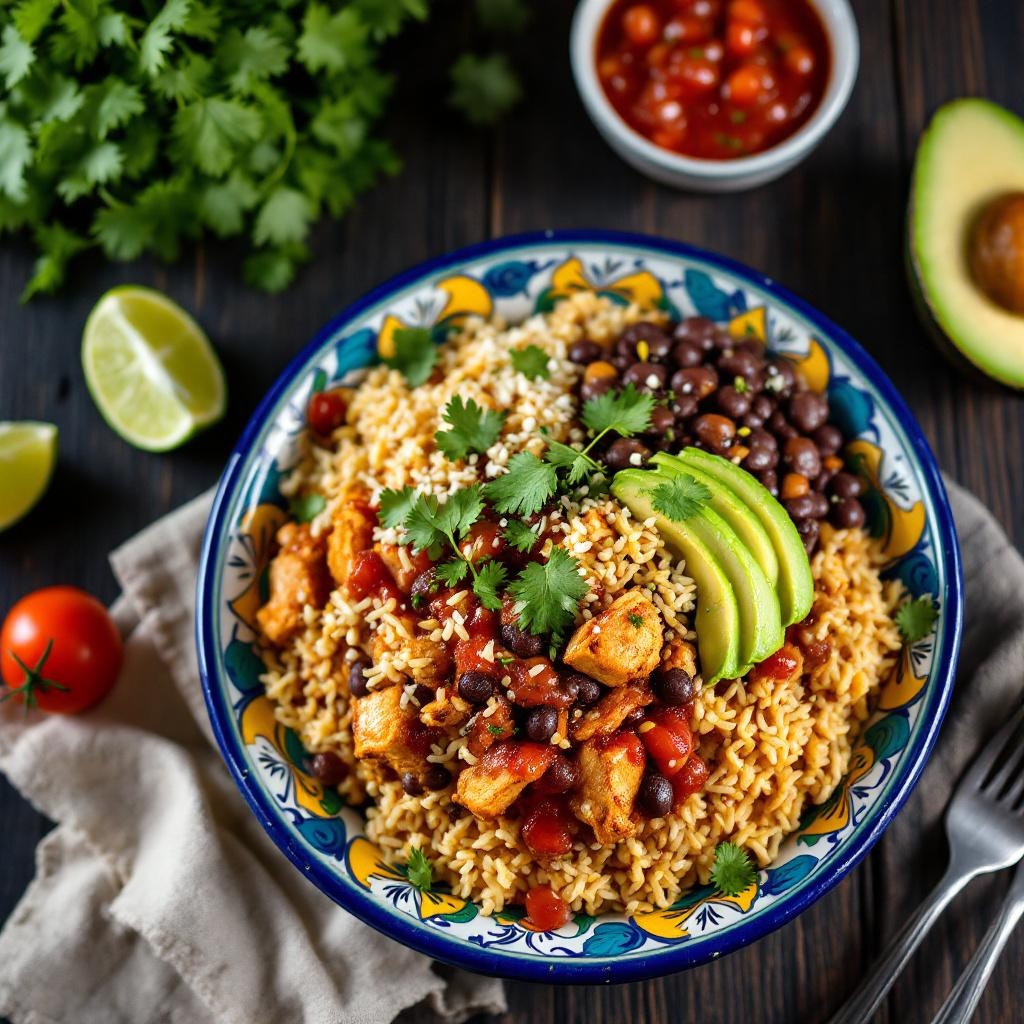
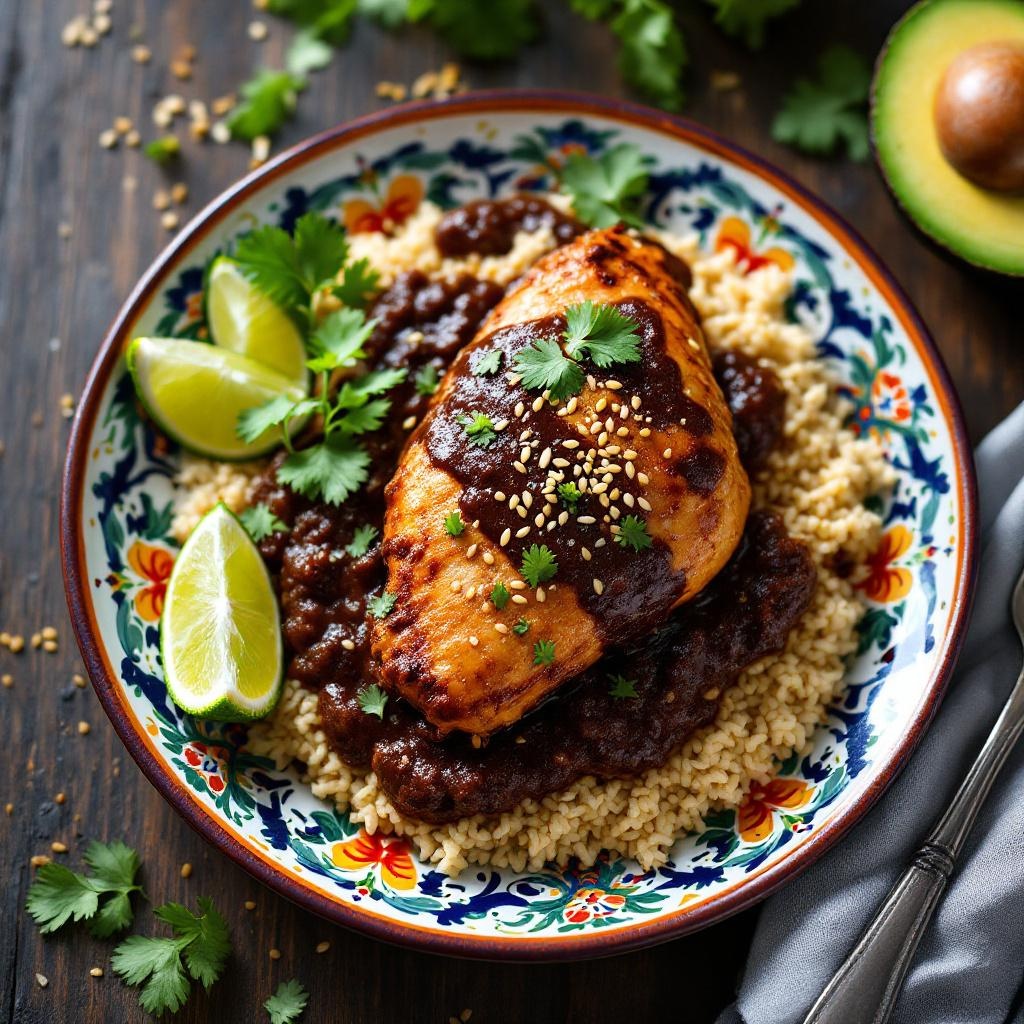
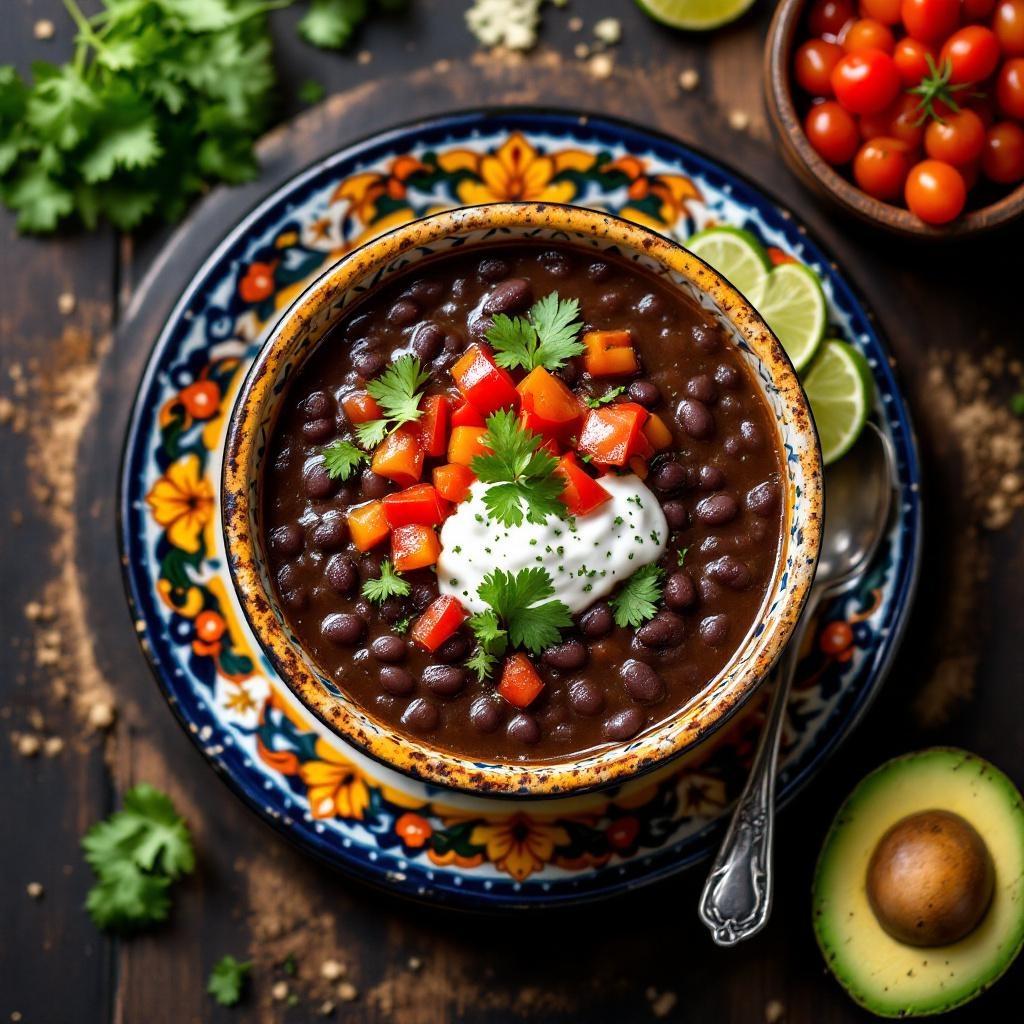
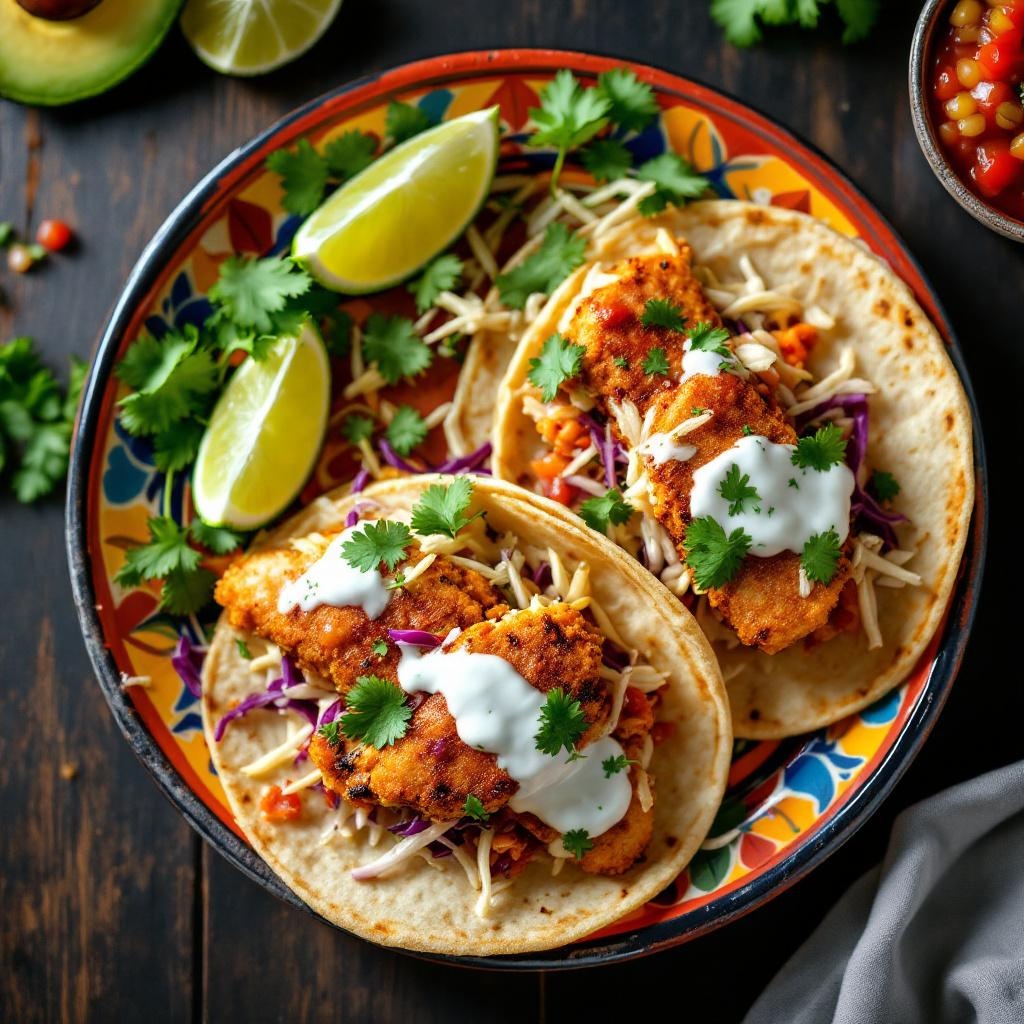
Double chicken burrito bowl, no rice, extra black beans, fajita veggies, salsa = 56g protein, ~600 cal. That's more protein than most people's entire lunch and dinner combined. Order it every time.
Asian High-Protein
Korean BBQ is literally a protein delivery system.
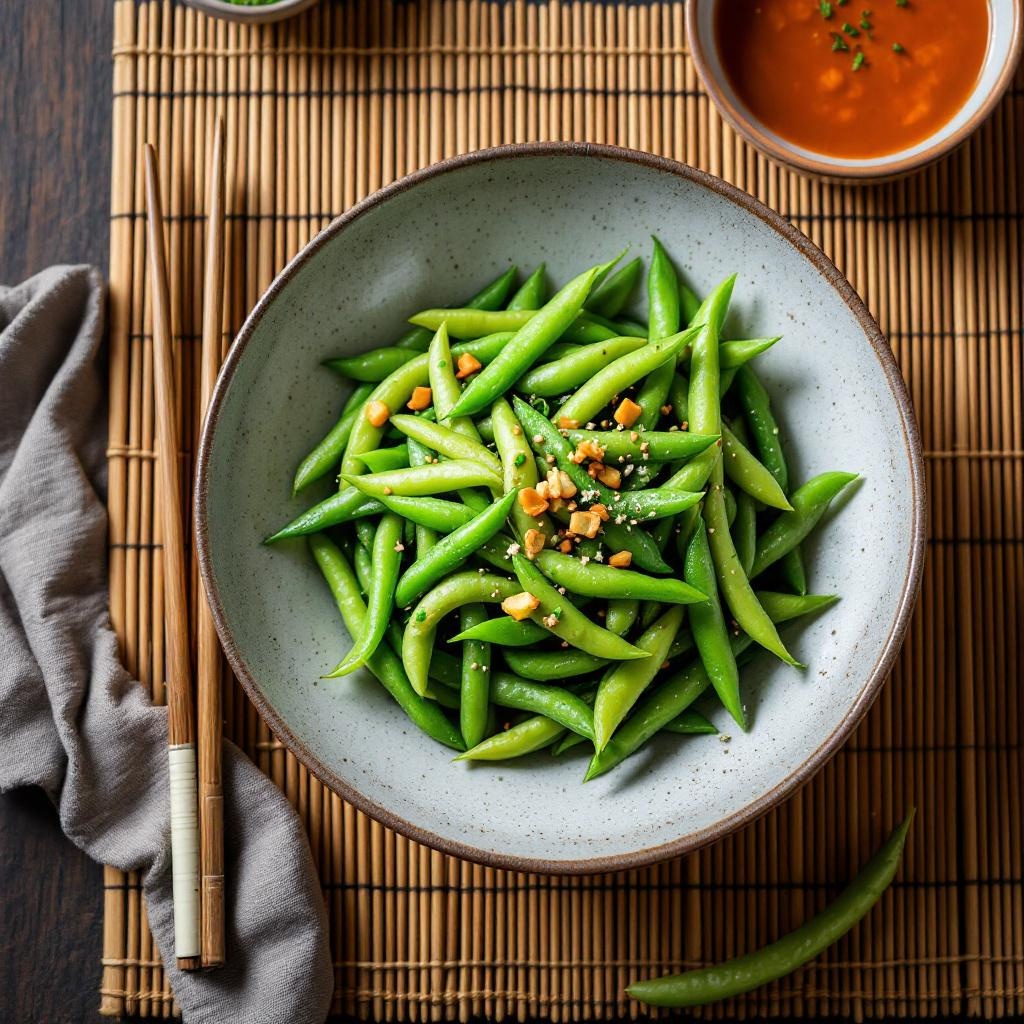
East and Southeast Asian cuisines are protein goldmines hiding in plain sight. Korean BBQ is grilled meat as a dining concept. Japanese sashimi is pure protein with zero carbs. Vietnamese pho is basically bone broth with beef. Thai larb is minced meat with herbs. The idea that Asian food is just rice and noodles is ignorant — and wrong.
Korean Protein Dishes
Japanese Protein Dishes
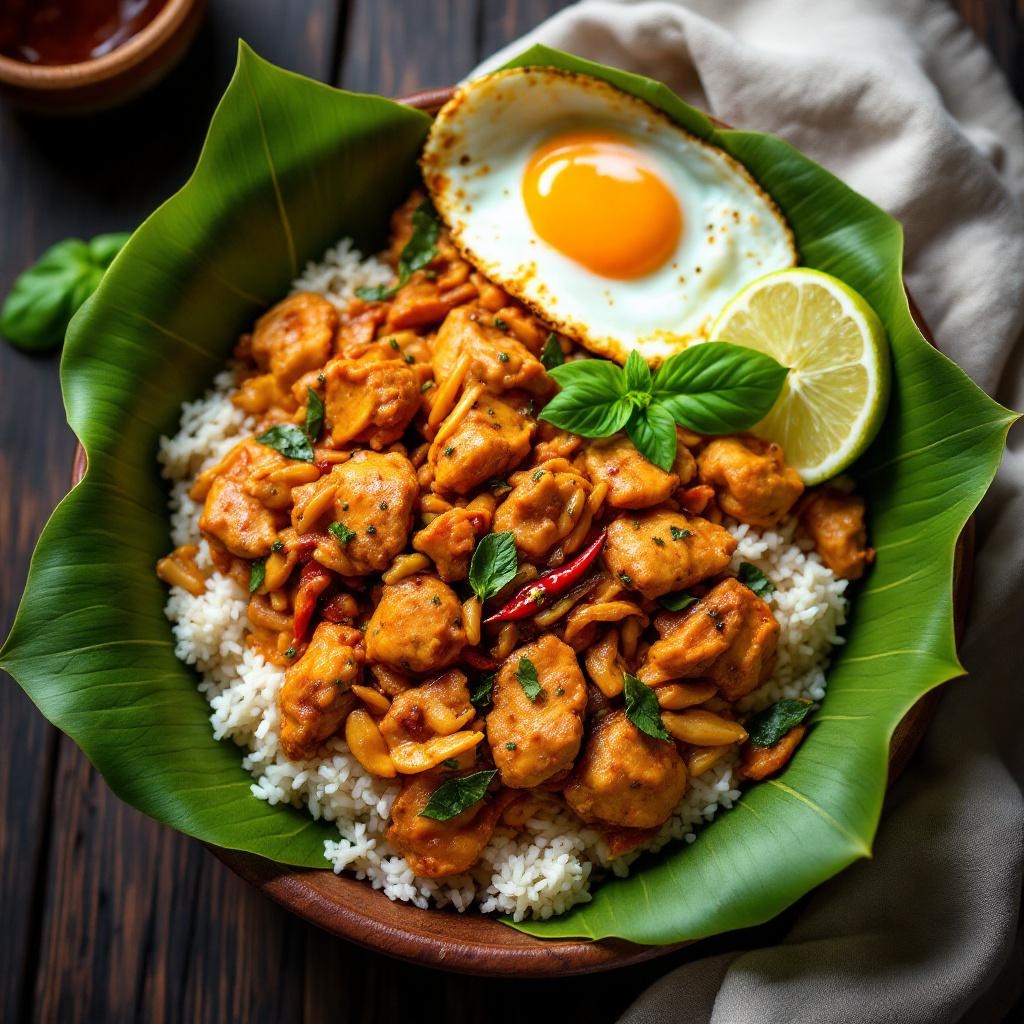
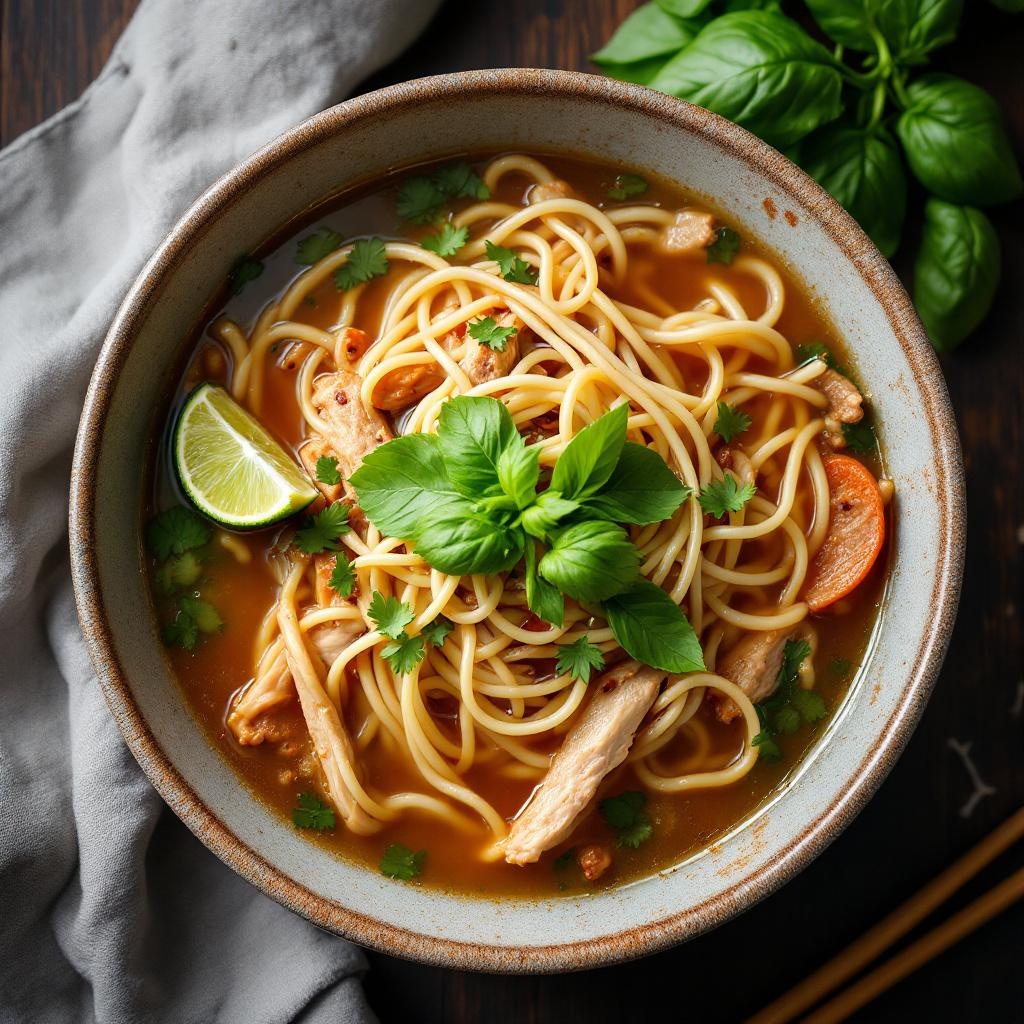
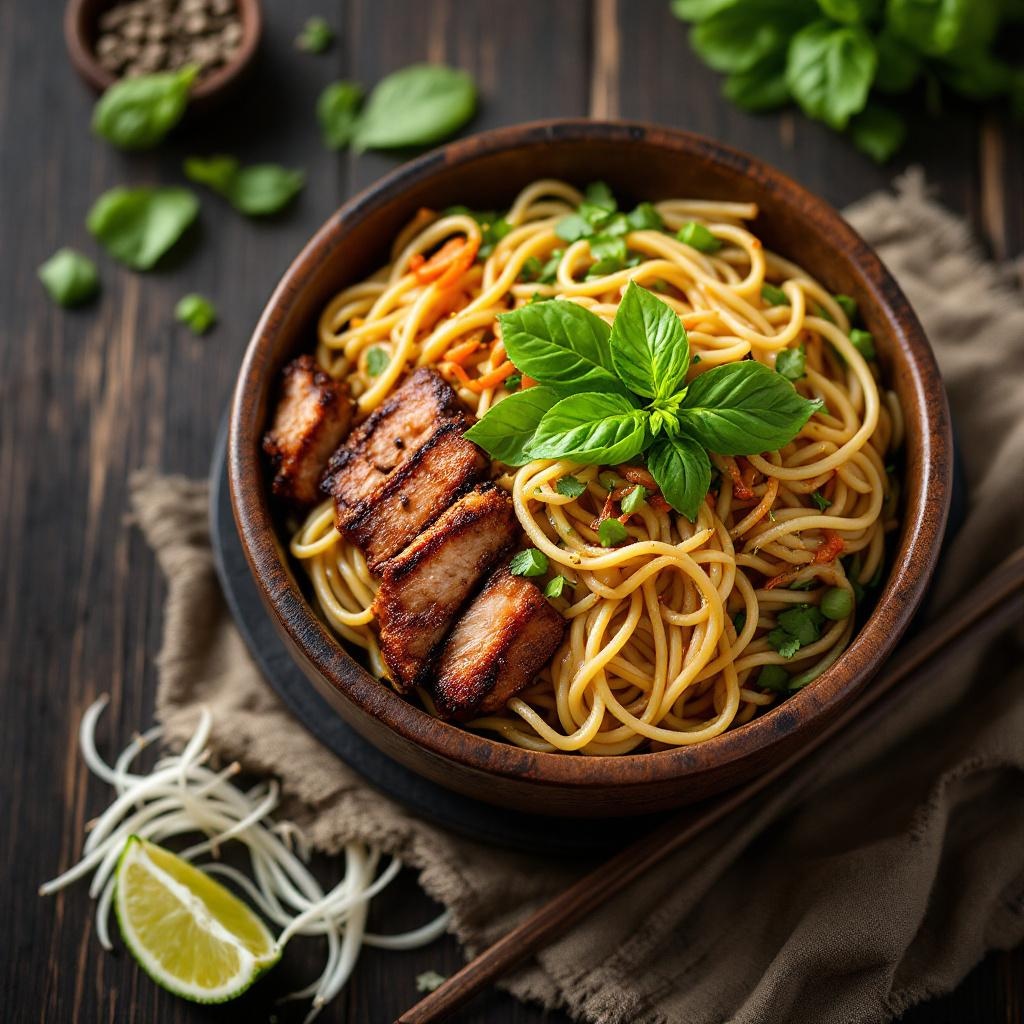
Thai & Vietnamese Protein Dishes
Mediterranean & Middle Eastern
Where Greek yogurt, grilled meat, and legumes reign supreme.
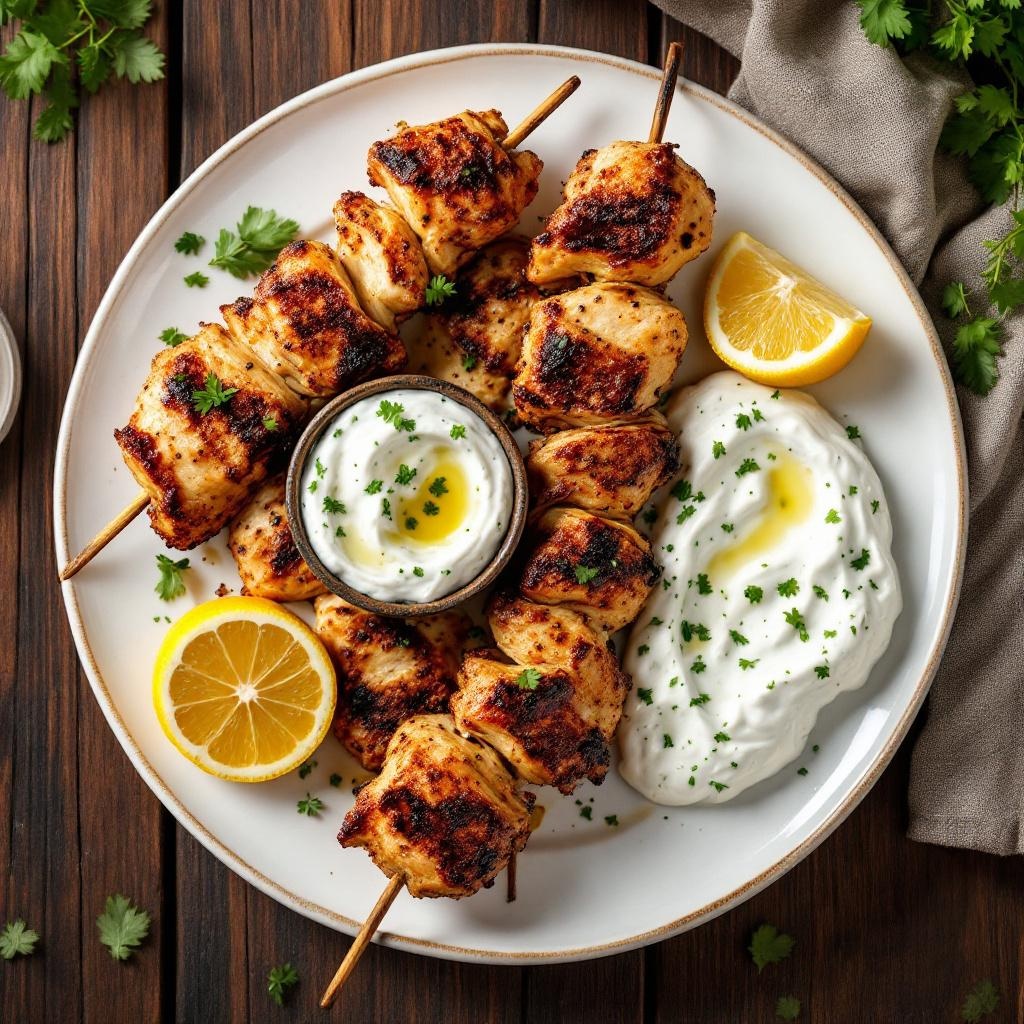
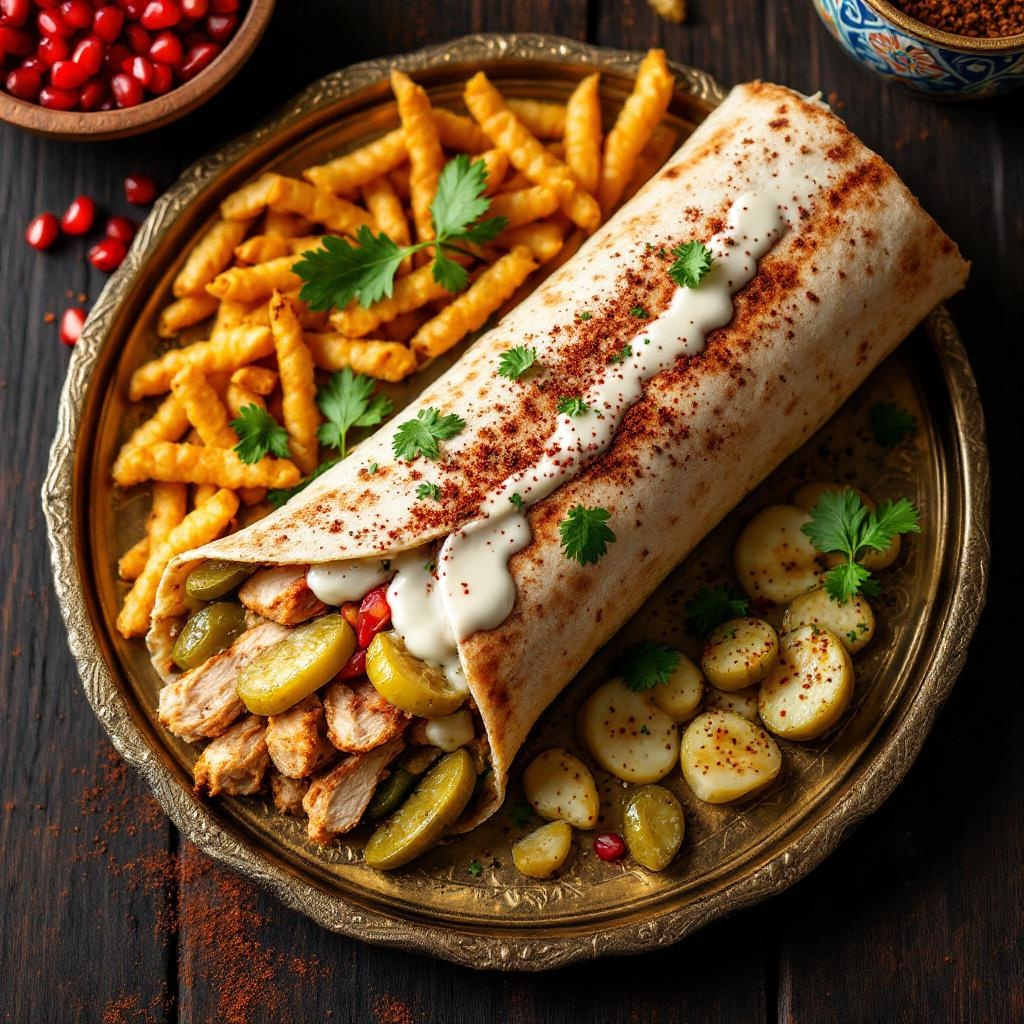
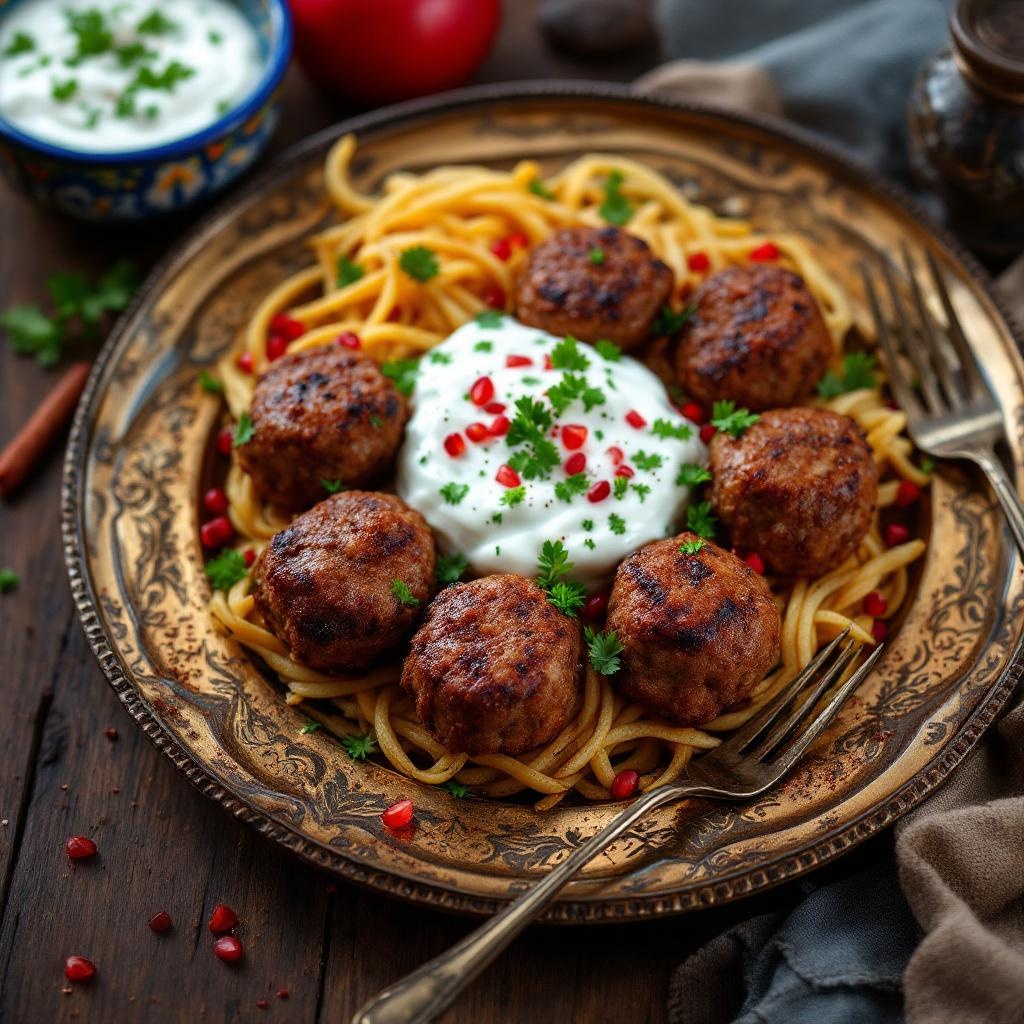
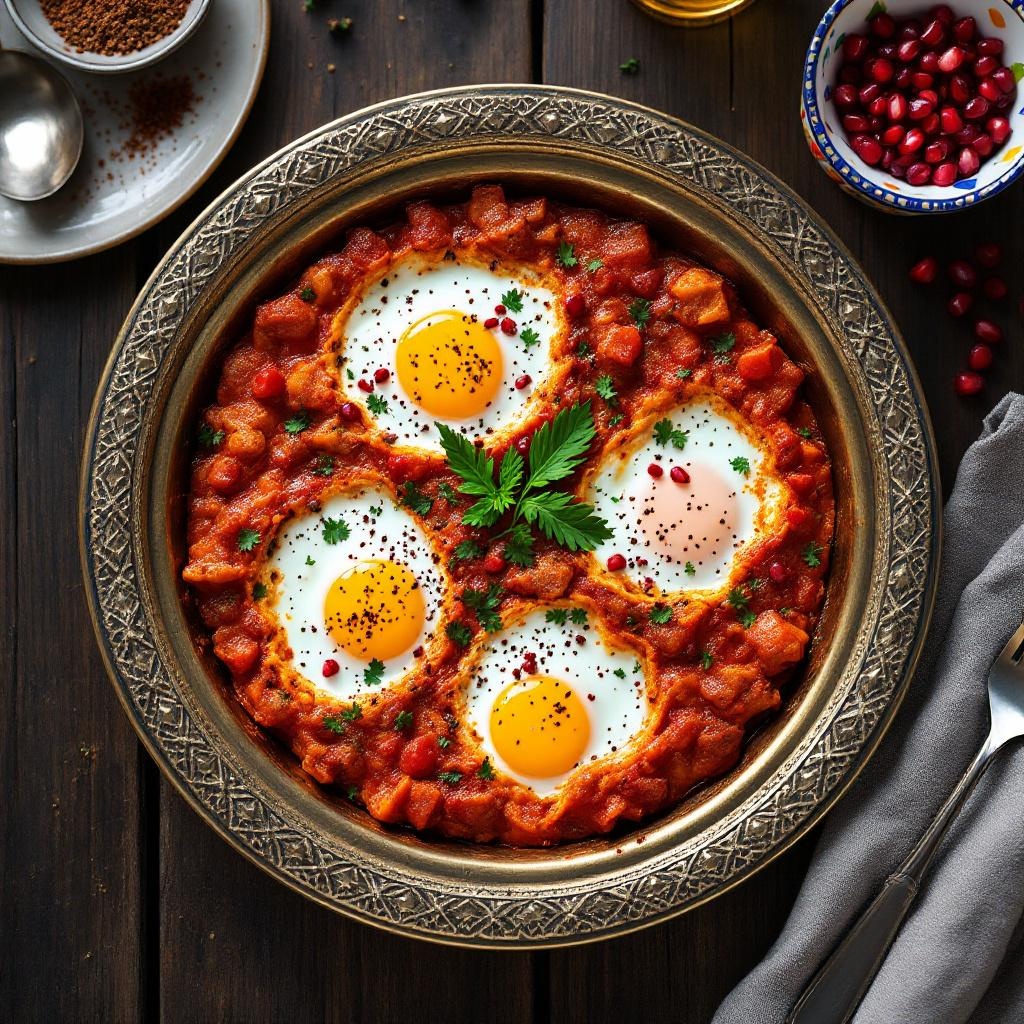
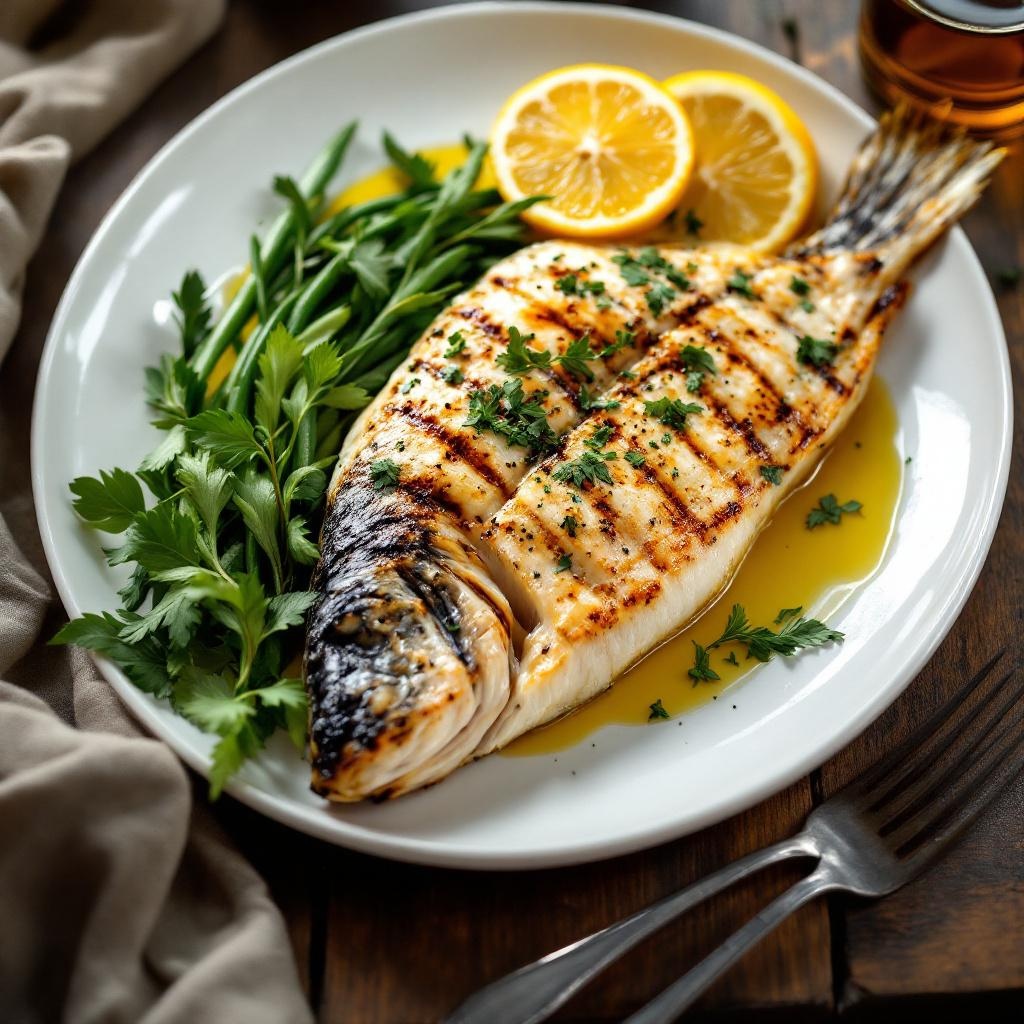
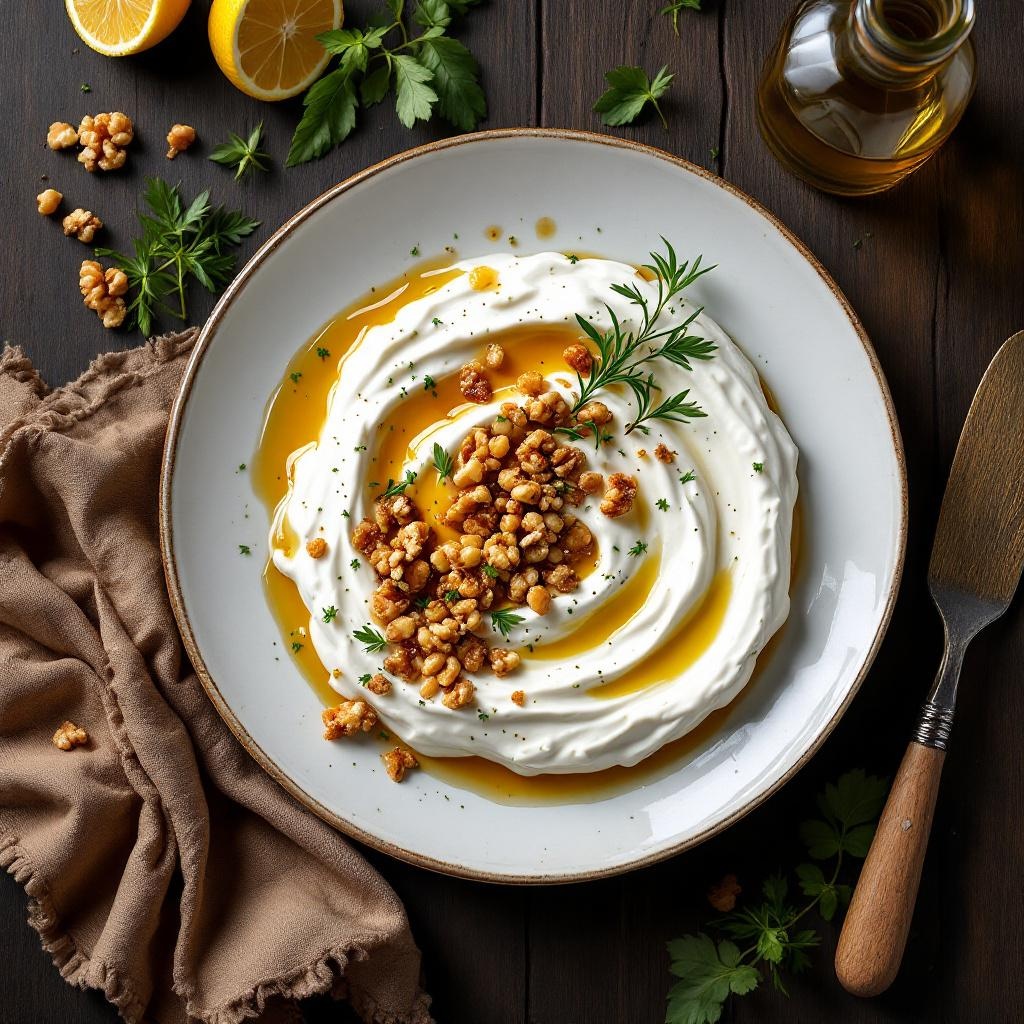
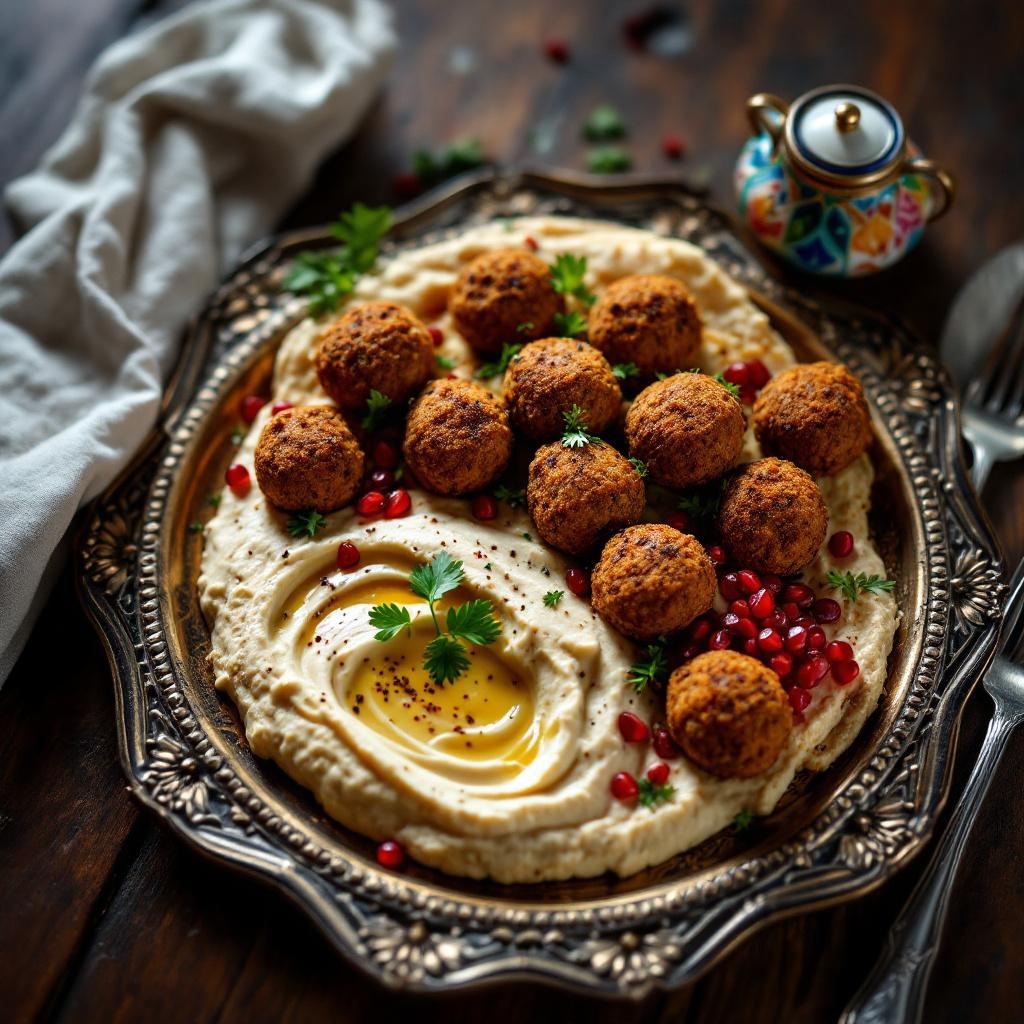
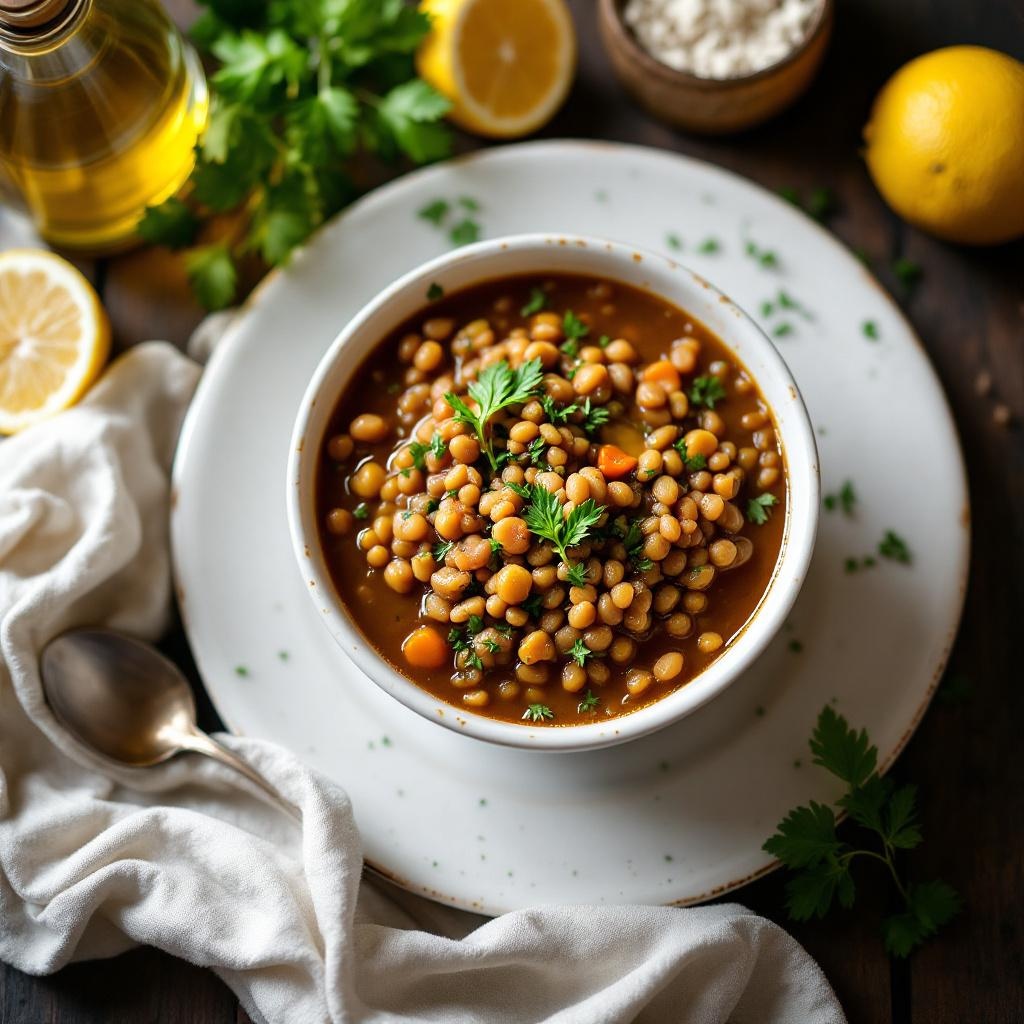
Strain regular yogurt through cheesecloth = Greek yogurt. It removes whey liquid and concentrates protein. 2x the protein of regular yogurt per serving. Ancient Greeks didn't have whey protein powder. They had this.
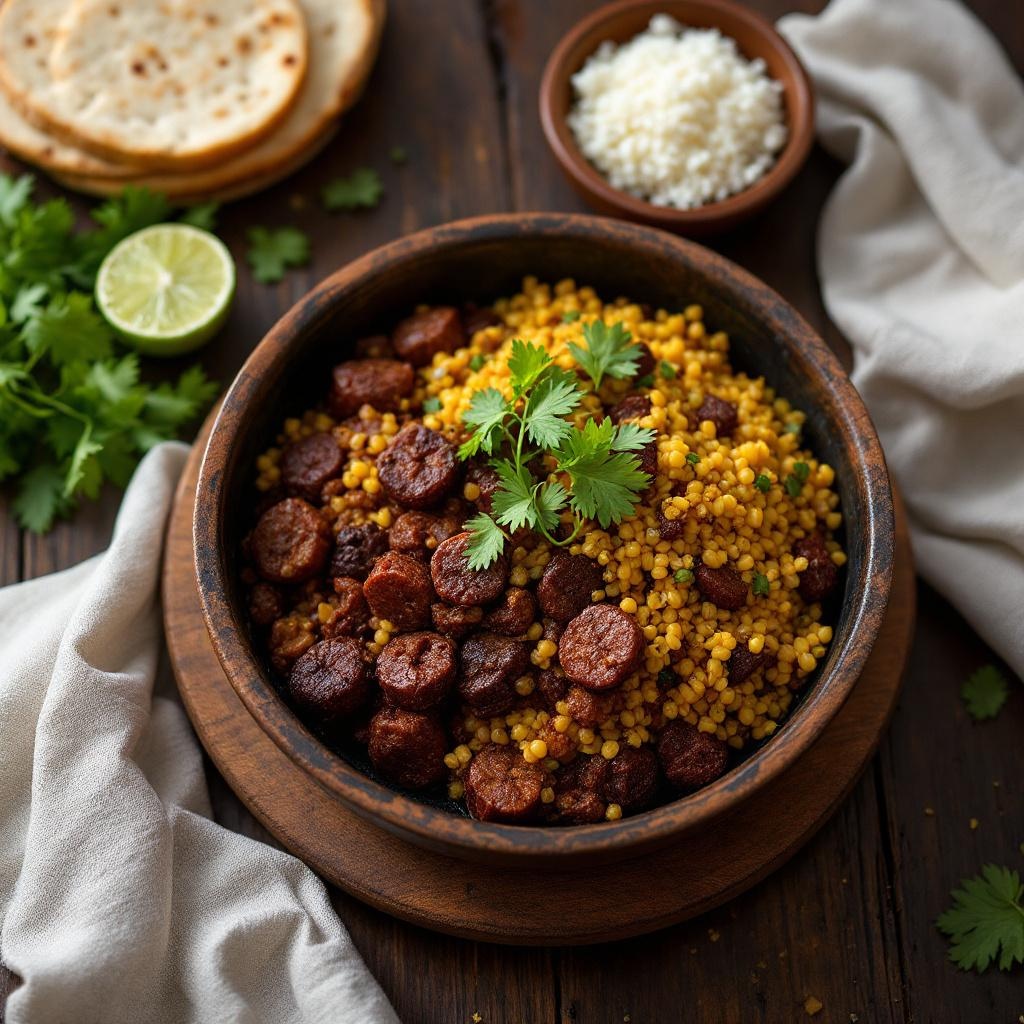
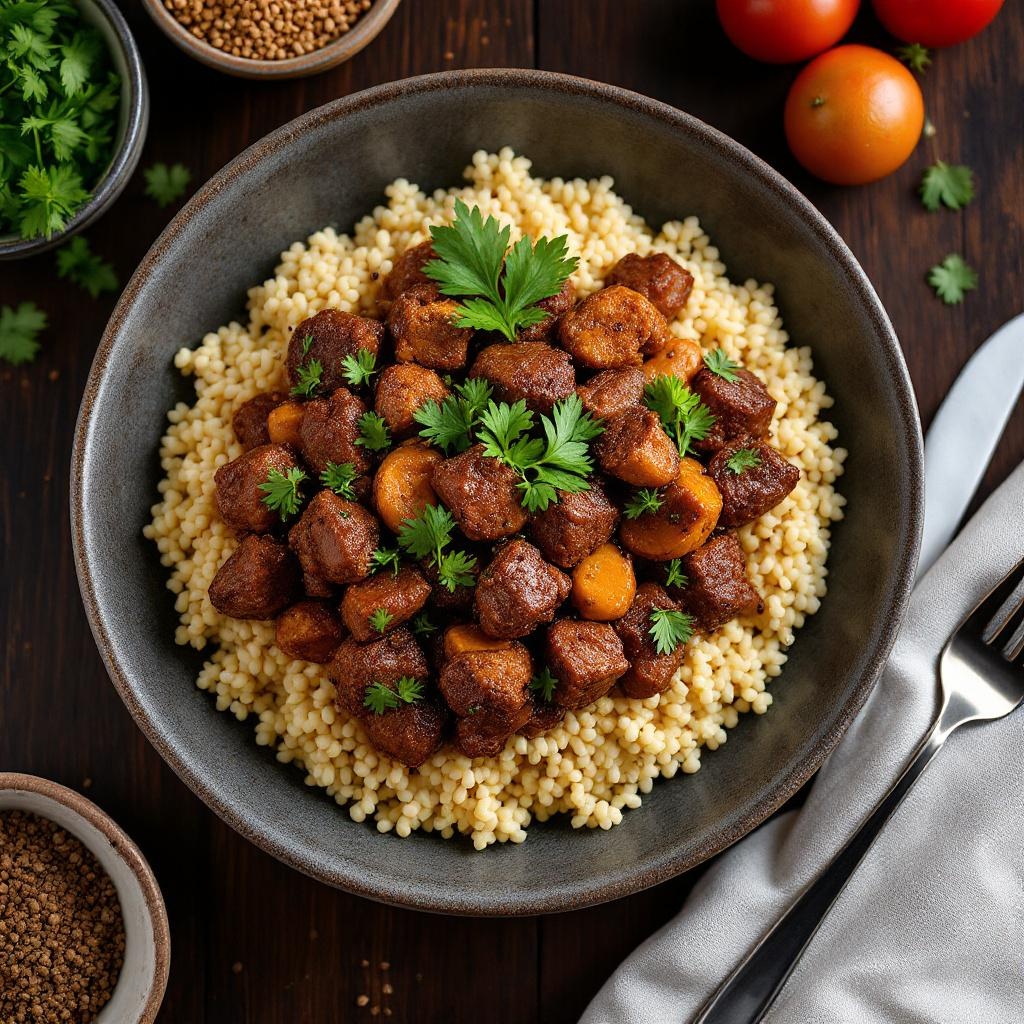
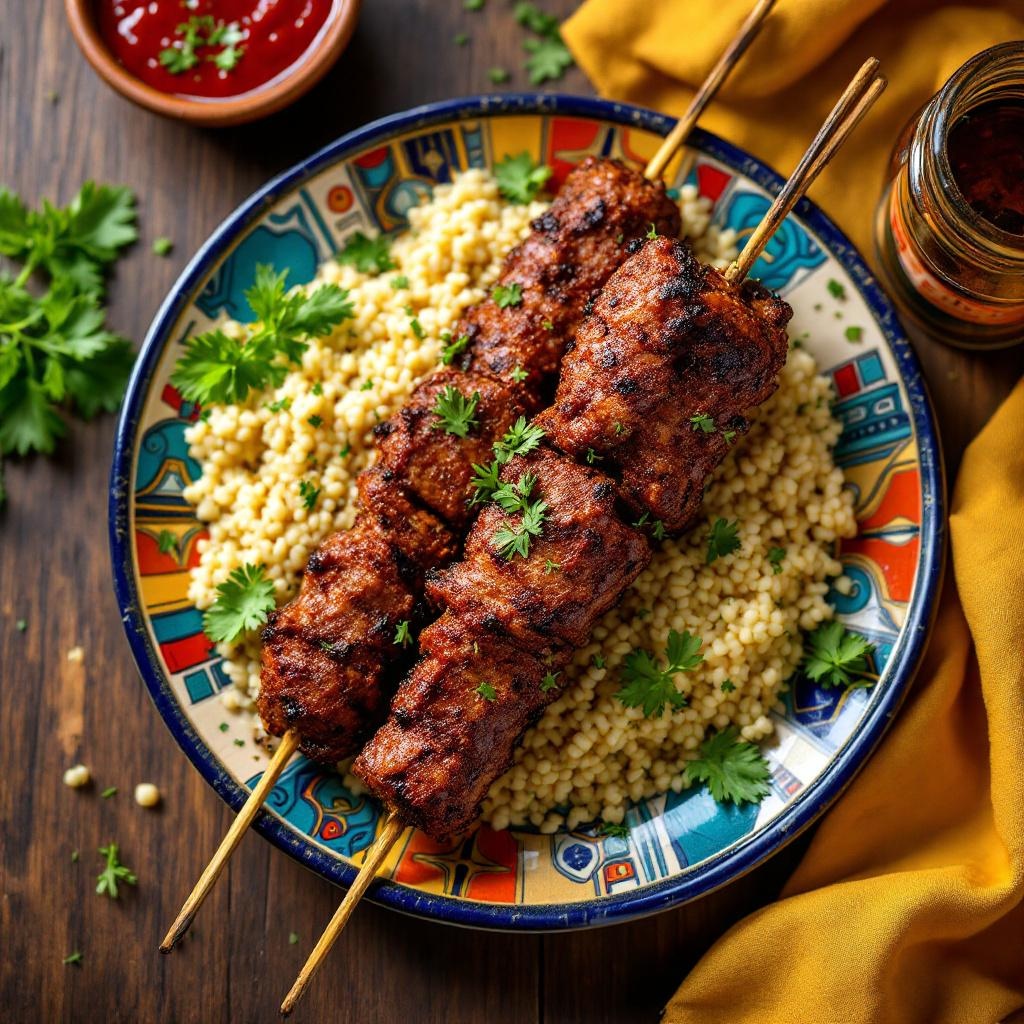
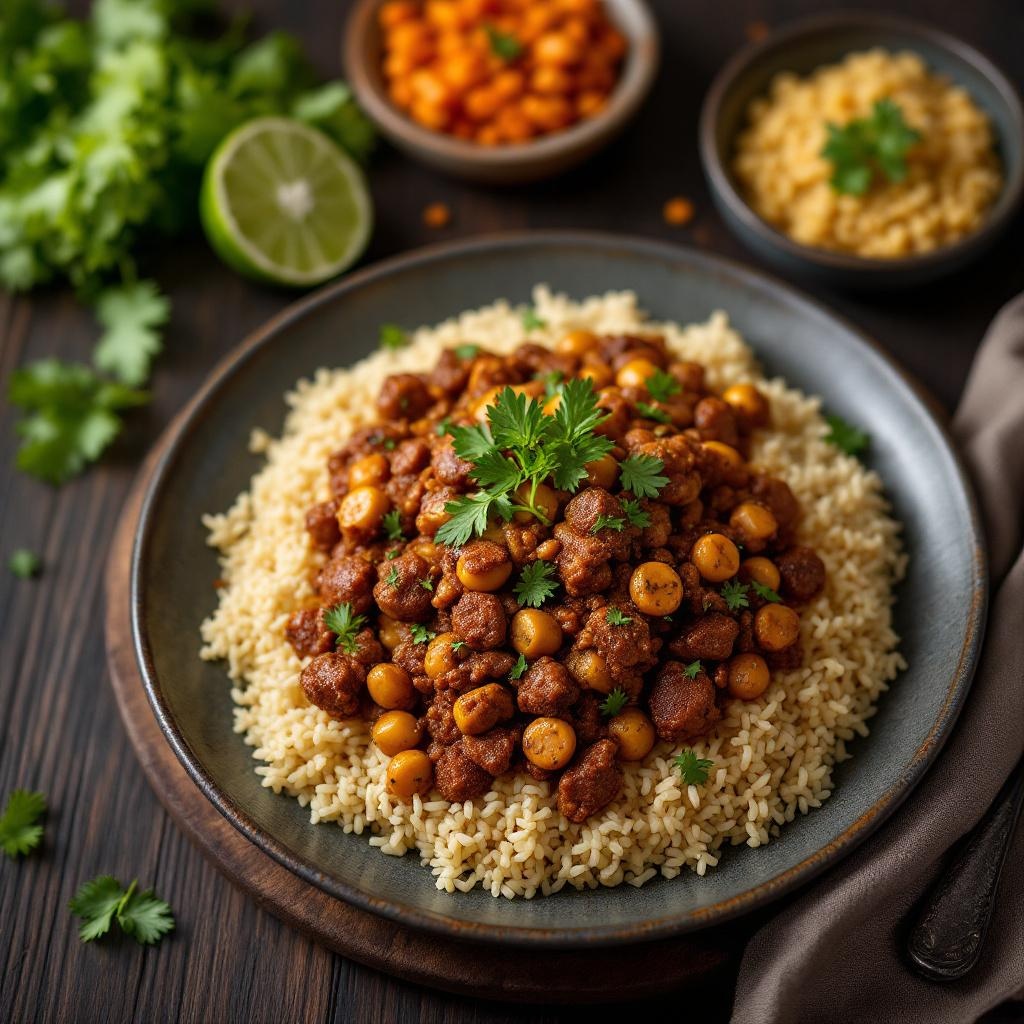
Ethiopian & African Protein
The most underrated protein cuisines on earth.
Protein Stacking
The art of the 40g+ meal. Combine dishes to crush your targets.
The leucine threshold research says 25-40g per meal is the sweet spot for muscle protein synthesis. Here's how to build 40-50g protein meals from real cultural food — not by adding a scoop of whey to everything, but by stacking dishes that work together.
1. Lead with a protein anchor. Pick one dish with 25g+ protein (grilled meat, fish, paneer). 2. Add a protein side. Lentils, beans, yogurt, edamame — 10-15g more. 3. Fill with vegetables, not starches. If you need carbs, pick ones that come with protein (beans, lentils, quinoa). This formula works for any cuisine on earth.
Carbs aren't the enemy. They fuel your training. But when you're trying to hit protein targets, every calorie of carb-heavy food that doesn't also deliver protein is a missed opportunity. Rice: 4g protein per cup. Replace half your rice with lentils: 4g becomes 10g. Same bowl, 6g more protein. Multiply that across three meals and you've added 18g to your day — without eating a single extra thing.
7-Day Meal Plan — Indian Focus
2,000 cal · 150g+ protein · All desi food.
| Day | Breakfast | Lunch | Snack | Dinner | Protein |
|---|---|---|---|---|---|
| Mon | Egg Bhurji 3 eggs + 2 roti (33g) | Rajma + rice (18g) | Greek yogurt + nuts (21g) | Tandoori chicken + salad (34g) | 106g |
| 520 cal | 425 cal | 230 cal | 340 cal | 1,515 | |
| Tue | Moong chilla 3 pcs + paneer (28g) | Chicken curry + 2 roti (36g) | Whey lassi (30g) | Dal fry + rice (15g) | 109g |
| 380 cal | 520 cal | 180 cal | 420 cal | 1,500 | |
| Wed | Omelette 3 eggs + toast (24g) | Fish curry + rice (32g) | Paneer tikka 5 pcs (18g) | Chana masala + roti (18g) | 92g |
| 380 cal | 450 cal | 260 cal | 400 cal | 1,490 | |
| Thu | Paneer bhurji + 2 roti (30g) | Keema + 2 roti (38g) | Boiled eggs x2 (14g) | Palak paneer + roti (22g) | 104g |
| 520 cal | 620 cal | 150 cal | 480 cal | 1,770 | |
| Fri | Moong dal chilla x3 (24g) | Egg curry 3 eggs + rice (26g) | Peanuts 50g (13g) | Chicken biryani (30g) | 93g |
| 330 cal | 480 cal | 280 cal | 480 cal | 1,570 | |
| Sat | Aloo paratha + curd (12g) | Chicken 65 + rice (32g) | Whey lassi (30g) | Fish fry + dal + roti (44g) | 118g |
| 395 cal | 520 cal | 180 cal | 580 cal | 1,675 | |
| Sun | Egg bhurji + paratha (25g) | Mutton biryani (28g) | Greek yogurt + fruit (19g) | Tandoori chicken + rajma (46g) | 118g |
| 510 cal | 540 cal | 180 cal | 500 cal | 1,730 |
Average: ~1,607 cal/day, ~106g protein/day. Add whey shakes on low days to push past 130g. No chicken breast + broccoli required.
7-Day Meal Plan — Mixed Cuisine
2,000 cal · 150g+ protein · Around the world in 7 days.
| Day | Breakfast | Lunch | Snack | Dinner | Protein |
|---|---|---|---|---|---|
| Mon | Shakshuka 3 eggs (20g) | Chicken burrito bowl (42g) | Edamame 1 cup (17g) | Salmon sashimi + miso (42g) | 121g |
| 310 cal | 540 cal | 190 cal | 330 cal | 1,370 | |
| Tue | Greek yogurt + granola (22g) | Bulgogi + rice (40g) | Peanut butter toast (10g) | Chicken souvlaki + lentil soup (50g) | 122g |
| 280 cal | 520 cal | 280 cal | 520 cal | 1,600 | |
| Wed | Egg bhurji + roti (27g) | Fish tacos x3 (32g) | Whey shake (25g) | Doro wat + injera (29g) | 113g |
| 400 cal | 380 cal | 140 cal | 470 cal | 1,390 | |
| Thu | Overnight oats + protein (30g) | Chicken shawarma plate (32g) | Paneer tikka 5 pcs (18g) | Pad kra pao + egg (35g) | 115g |
| 350 cal | 450 cal | 260 cal | 520 cal | 1,580 | |
| Fri | Moong dal chilla x2 (16g) | Pho bo extra beef (30g) | Suya 3 skewers (20g) | Carne asada + beans (47g) | 113g |
| 220 cal | 420 cal | 230 cal | 520 cal | 1,390 | |
| Sat | Chicken satay 3 skewers (22g) | Keema + 2 roti (38g) | Greek yogurt + honey (18g) | Grilled sea bass + quinoa (36g) | 114g |
| 220 cal | 620 cal | 150 cal | 420 cal | 1,410 | |
| Sun | Shakshuka + feta (26g) | Chicken biryani (30g) | Edamame (17g) | Yakitori 8 skewers + miso (52g) | 125g |
| 370 cal | 480 cal | 190 cal | 470 cal | 1,510 |
Average: ~1,464 cal/day, ~118g protein/day. This is a slight deficit plan. Add rice, naan, or a shake to reach 2,000 cal. Seven cuisines, seven days, zero boredom.
Pre & Post Workout Meals
From world cuisines. Not from a plastic container.
The "anabolic window" is overblown (Aragon & Schoenfeld, 2013) but not fake. There's a ~4-6 hour window around training where protein intake modestly benefits recovery. The real rule: don't train fasted on nothing, and eat a real meal within 2 hours after. Here's what that looks like beyond chicken and rice.
Pre-Workout (1-2 hours before)
Goal: moderate carbs for energy + moderate protein (15-25g). Not too heavy — you need blood in your muscles, not your stomach.
Post-Workout (within 2 hours)
Goal: high protein (30-40g+) + carbs for glycogen replenishment. This is where the big meals go. And yes, biryani counts.
The Weekly Budget for Gains
Your body doesn't reset at midnight. Muscle protein synthesis operates on a ~24-48 hour cycle. A day where you hit 180g protein and a day where you hit 120g average out to 150g — and 150g is plenty. This is the Calorique philosophy: weekly budgeting, not daily policing.
Training days: Higher carbs (fuel the session), protein at 1.6-2.0g/kg. This is when you eat your biryani, your burrito bowls, your pho. Carbs go to muscle glycogen, not fat storage. Rest days: Higher protein (2.0-2.2g/kg), lower carbs. Lean meats, dal, eggs, yogurt. Recovery happens here.
Cutting (caloric deficit): Protein is non-negotiable. Phillips & Van Loon (2011) showed that athletes in a deficit who maintained high protein (2.0-2.4g/kg) lost significantly less muscle than those who didn't. When calories are low, protein is your insurance policy. Cut carbs and fat before you cut protein. Ever.
Here's what a real week looks like:
| Day | Type | Calories | Protein | Carbs |
|---|---|---|---|---|
| Monday | Push day | 2,200 | 140g | 240g |
| Tuesday | Pull day | 2,200 | 150g | 230g |
| Wednesday | Rest | 1,800 | 160g | 140g |
| Thursday | Legs | 2,400 | 145g | 280g |
| Friday | Upper | 2,100 | 150g | 210g |
| Saturday | Rest | 1,800 | 155g | 150g |
| Sunday | Social | 2,500 | 120g | 300g |
Weekly total: ~15,000 cal, ~1,020g protein. Average: ~2,143 cal/day, 146g protein/day. Sunday is lighter on protein because you're at brunch. And that's fine.
The Cutting Plan
1,600 cal · 130g protein · Deficit + muscle preservation.
Cutting sucks. There's no way around it. But it sucks less when the food is actually good. This plan keeps protein high enough to preserve muscle (Phillips & Van Loon, 2011) while running a meaningful deficit for a 75kg person. Every dish is real food from real cuisines — no "protein fluff" or "anabolic ice cream" recipes.
| Day | Breakfast | Lunch | Snack | Dinner | Protein |
|---|---|---|---|---|---|
| Mon | Greek yogurt + berries (18g) | Chicken souvlaki + salad (36g) | Boiled eggs x2 (14g) | Steamed fish + veggies (28g) | 96g |
| 150 cal | 350 cal | 150 cal | 250 cal | 900 | |
| Tue | Egg white omelette (18g) | Larb gai + lettuce (22g) | Edamame (17g) | Tandoori chicken breast (35g) | 92g |
| 140 cal | 280 cal | 190 cal | 220 cal | 830 | |
| Wed | Moong chilla x2 (16g) | Salmon sashimi 10 pcs (38g) | Greek yogurt (17g) | Chicken fajita bowl (30g) | 101g |
| 220 cal | 280 cal | 100 cal | 380 cal | 980 | |
| Thu | Shakshuka 2 eggs (14g) | Grilled sea bass + quinoa (36g) | Peanuts 30g (8g) | Chicken shawarma plate (32g) | 90g |
| 220 cal | 380 cal | 170 cal | 350 cal | 1,120 | |
| Fri | Protein smoothie (30g) | Dakgalbi (33g) | Cottage cheese (14g) | Dal + 1 roti (15g) | 92g |
| 200 cal | 340 cal | 110 cal | 320 cal | 970 | |
| Sat | Eggs 3 + toast (24g) | Carne asada + salad (39g) | Whey shake (25g) | Misir wat + injera (18g) | 106g |
| 340 cal | 350 cal | 140 cal | 380 cal | 1,210 | |
| Sun | Greek yogurt parfait (20g) | Fish tacos x2 (22g) | Edamame (17g) | Yakitori 6 skewers (36g) | 95g |
| 200 cal | 260 cal | 190 cal | 320 cal | 970 |
Average: ~997 cal/day, 96g protein/day. This is aggressive. Add 300-400 cal of complex carbs on training days. The point: you can cut hard and still eat shawarma, sashimi, and tandoori chicken.
Track Your Protein in Calorique
Every dish in this guide is in the app.
Search any food. See protein front and center.
Hit your macros with food you actually want to eat.

Eat what you love. Hit your protein. We'll count the rest.
Disclaimer
This guide is for educational and informational purposes only. It is NOT medical advice or a substitute for consultation with a registered dietitian, sports nutritionist, or healthcare provider.
Protein requirements vary significantly based on age, sex, body weight, activity level, training status, and health conditions. The recommendations in this guide are general guidelines and may not be appropriate for your specific situation.
The Calorique Experts are not registered dietitians, certified sports nutritionists, or licensed healthcare professionals. This guide has not been reviewed or endorsed by any dietetic or sports nutrition association.
Excessive protein intake may not be appropriate for individuals with kidney disease or other health conditions. Consult your healthcare provider before significantly increasing protein intake.
Calorie and macronutrient values are estimates based on standard preparations and may vary based on ingredients, cooking methods, and portion sizes.
Sources
- Morton RW, et al. "A systematic review, meta-analysis and meta-regression of the effect of protein supplementation on resistance training-induced gains in muscle mass and strength." British Journal of Sports Medicine, 2018.
- Schoenfeld BJ, Aragon AA. "How much protein can the body use in a single meal for muscle-building?" Journal of the International Society of Sports Nutrition, 2018.
- Aragon AA, Schoenfeld BJ. "Nutrient timing revisited." Journal of the International Society of Sports Nutrition, 2013.
- Phillips SM, Van Loon LJC. "Dietary protein for athletes: from requirements to optimum adaptation." Journal of Sports Sciences, 2011.
- Indian Market Research Bureau (IMRB). "Protein Consumption in India Survey." 2017.
- USDA FoodData Central — Nutrient Database (fdc.nal.usda.gov).
- WHO/FAO/UNU. "Protein and Amino Acid Requirements in Human Nutrition." WHO Technical Report Series 935, 2007.