Table of Contents
A Letter to You
537 million adults worldwide have diabetes. If you're one of them, every nutrition guide probably told you the same thing: eat less rice, avoid sweets, have some quinoa. As if quinoa fixes everything.
The real problem? Nobody tells you how to eat your food with diabetes. Not "healthy Western food." Not steamed broccoli and grilled chicken breast on repeat. Your food. The dal your mother makes. The tacos you grew up on. The pho that warms your soul on a cold night.
Here's what most guides won't say: South Asians have 4x the diabetes risk of European populations (Yajnik, Journal of Nutrition, 2004). Mexicans and Mexican Americans have nearly 2x the rate. Yet nearly all diabetes nutrition advice is designed for people who eat salads and sandwiches.
This guide is for the other 5 billion. It's built on real science, real food, and a fundamental belief: you don't have to choose between managing your blood sugar and eating what you love. You just need to understand the game.
— The Calorique Experts
What Actually Matters
The four things that move the needle.
Forget the noise. Decades of research boil down to four factors that actually control your post-meal blood sugar. Master these and you can eat almost anything — from biryani to burritos — with confidence.
The Glycemic Index (GI) ranks carbs from 0–100 by how fast they spike blood sugar. White bread = 75. Kidney beans = 24. Same macronutrient, wildly different impact. But here's the catch: GI is measured in isolation. Nobody eats plain rice with nothing else. Which brings us to…
Pair carbs with protein, fat, or fiber and the glycemic response drops dramatically. Dal + rice has a lower blood sugar impact than rice alone. A tortilla with beans and avocado is slower than a tortilla by itself. Your ancestors figured this out centuries ago — the balanced thali, the complete taco, the Japanese set meal. Science is just now catching up.
In a landmark 2015 study, Dr. Alpana Shukla at Weill Cornell found that eating carbs last (after vegetables and protein) reduced post-meal glucose spikes by 73% and insulin by 48%. Same food. Same portions. Just a different order. This is free, requires zero willpower, and works every single meal (Shukla et al., Diabetes Care, 2015).
A small bowl of white rice (150g, ~28g carbs) will spike your blood sugar less than a large bowl of brown rice (300g, ~52g carbs). The obsession with "good" vs. "bad" foods misses the point. Quantity matters more than category.
The brown rice myth. Everyone tells diabetics to switch to brown rice. The GI difference? White rice: ~73. Brown rice: ~68. That's a 7% difference, not a revolution (Foster-Powell et al., American Journal of Clinical Nutrition, 2002). Eating less rice with more dal and sabzi on the side? That's the revolution.
South Asians develop insulin resistance at lower BMIs than other populations. A South Asian man with a BMI of 23 can have the same metabolic risk as a European man with a BMI of 30. This is why diabetes hits Indian, Pakistani, Bangladeshi, and Sri Lankan communities so hard — even among people who "look healthy" (Yajnik, The Lancet). Knowing this isn't meant to scare you. It's meant to explain why awareness matters earlier for you than standard guidelines suggest.
Bottom line: You don't need to overhaul your diet. You need to understand how your body responds to food and make small, strategic adjustments. That's what this guide teaches.
GI Isn't Everything
Context changes everything about a number.
The Glycemic Index was a breakthrough when David Jenkins published it in 1981 (American Journal of Clinical Nutrition). But it has a flaw: it measures foods in isolation. Nobody eats a bowl of plain boiled rice for dinner. You eat rice with things. And those things change the math entirely.
Dal + rice has a lower glycemic response than rice alone. The protein and fiber in lentils slow glucose absorption. Rice + fish curry + vegetable is even lower. Each addition acts as a buffer.
This is why a balanced Indian thali is actually an excellent diabetic meal. Small portions of rice. A bowl of dal (protein + fiber). Sabzi (fiber + micronutrients). Curd (protein + probiotics). A piece of roti. This is how Indians have eaten for centuries — and it's naturally low-glycemic when the proportions are right.
Never eat a carb alone. Always have at least one buddy: protein, healthy fat, or fiber. Rice alone? Spike. Rice + dal + bhindi? Gentle curve. Tortilla alone? Spike. Tortilla + black beans + guacamole? Smooth sailing. Every culture already does this. We just need to be intentional about it.
What matters more than GI: Glycemic Load (GL), which accounts for portion size. Watermelon has a high GI (72) but a low GL (4 per serving) because you don't eat that much of it. Context, always context.
Indian Cuisine
The world's most diabetes-friendly food. Really.
India has 101 million people with diabetes — the highest in the world (IDF Atlas, 2021). And yet, traditional Indian cooking is built on legumes, vegetables, spices with medicinal properties, and fermented foods. The problem isn't Indian food. It's what happened to Indian food: portions grew, oil tripled, rotis became naans, and the sabzi disappeared under restaurant gravy.
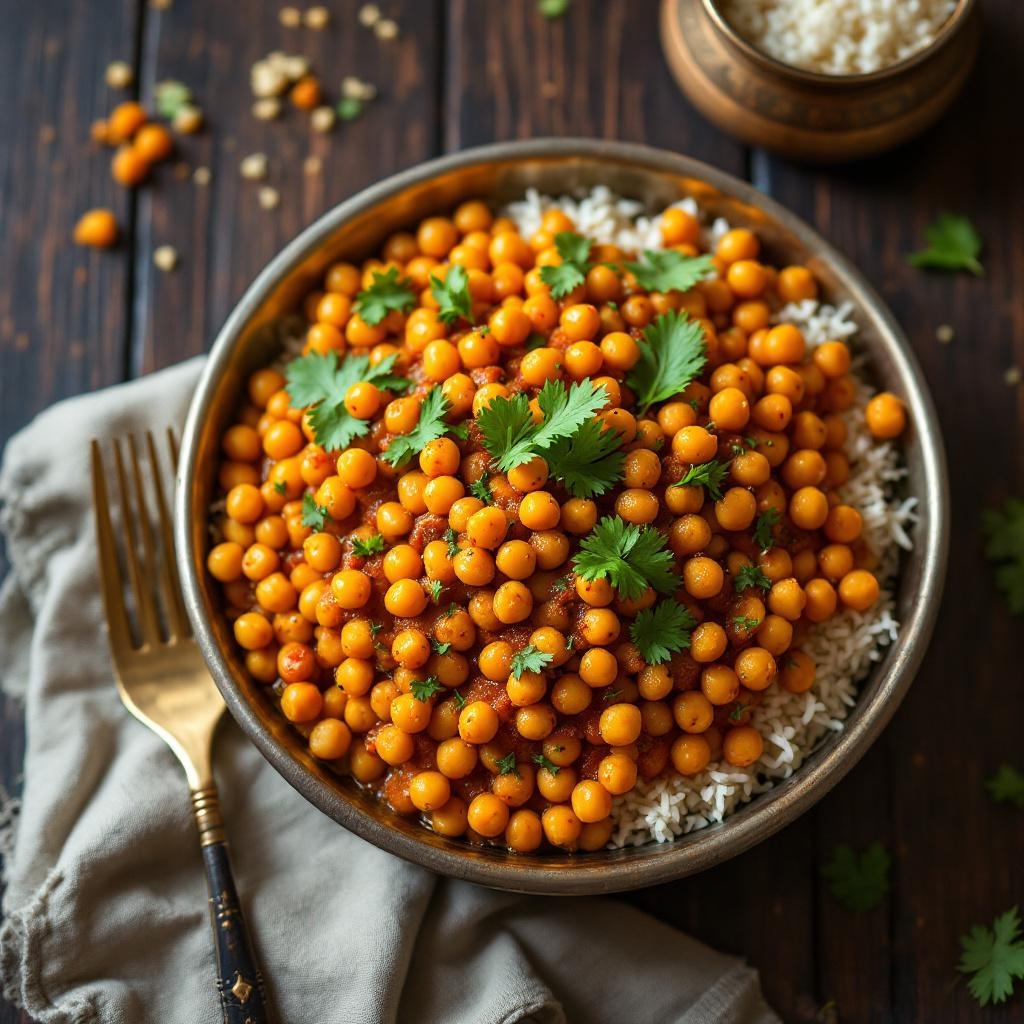
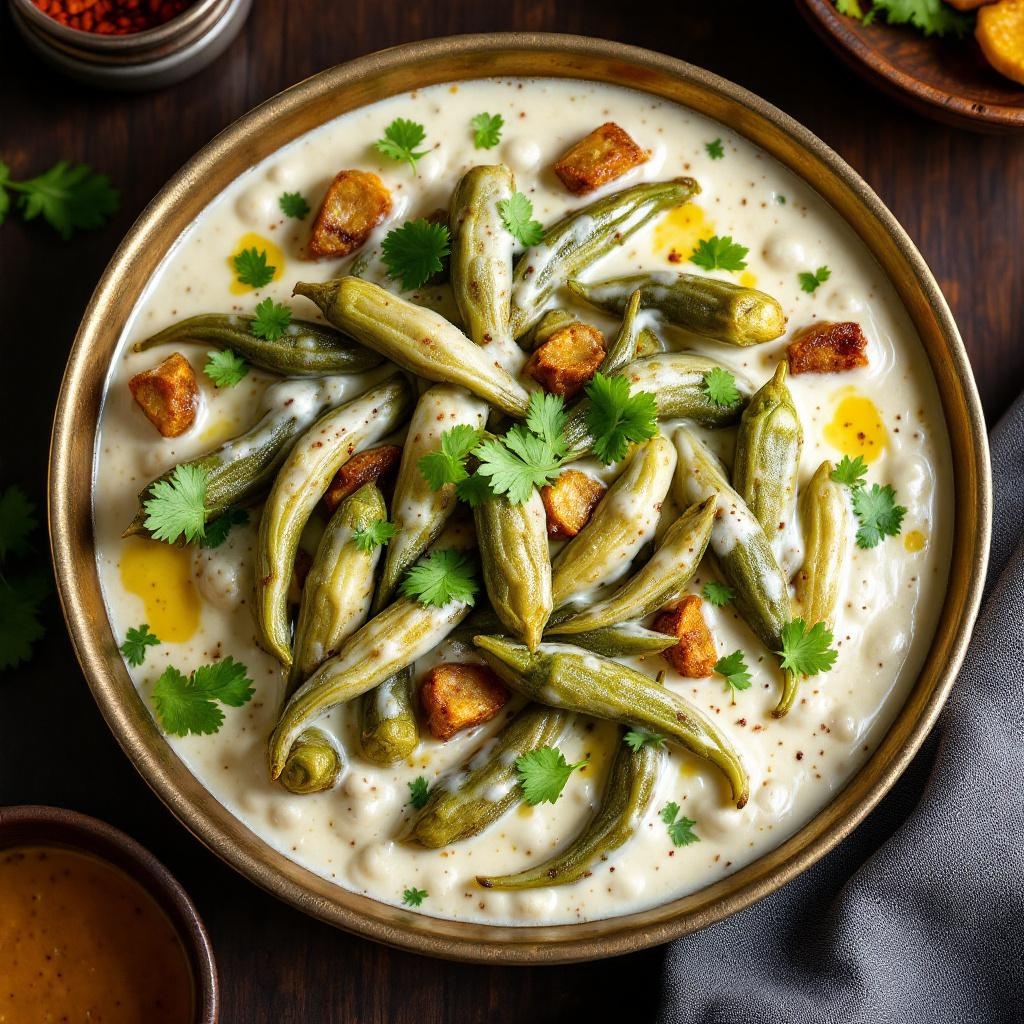
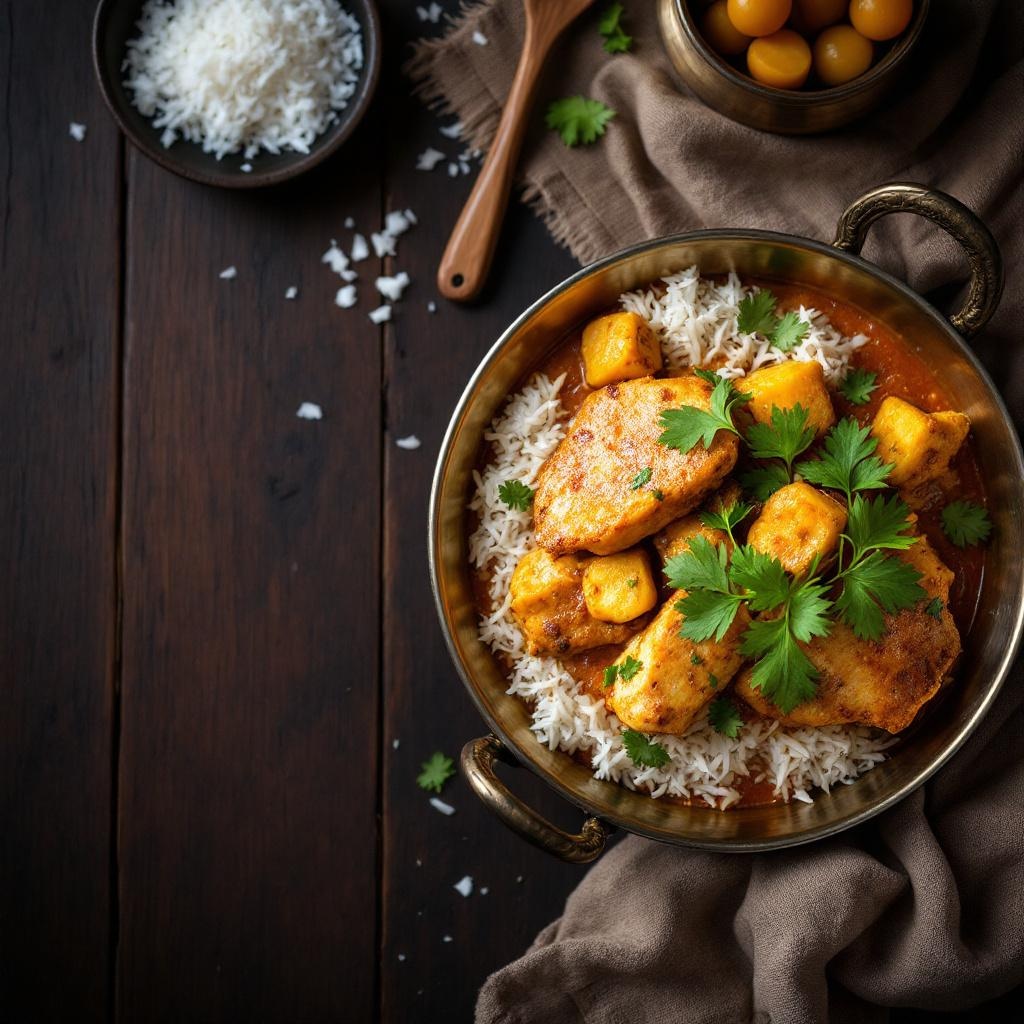
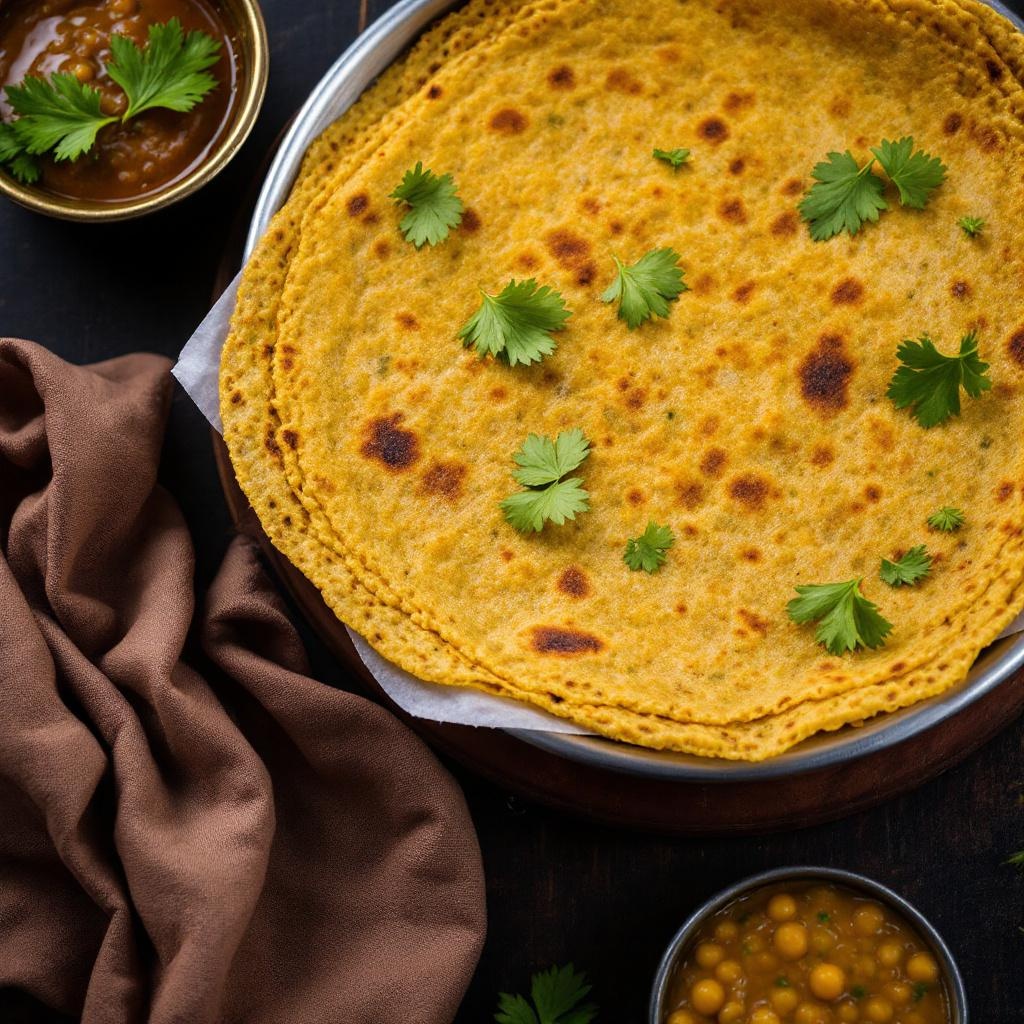
Your best choices: Dals (any variety), raita, tandoori meats and fish, vegetable sabzis (bhindi, palak, tori, lauki), chana, rajma, moong dal chilla, idli, dosa (with sambar, not just chutney).
Watch the portions on: White rice (keep to 1 small katori), naan and paratha, sweets, fried snacks (pakora, samosa — enjoy them, just know the number).
Smart swaps: Roti over naan (save 200 cal + 22g carbs). Curd rice over plain rice (protein slows absorption). Tandoori over butter-based gravies. Dal fry over dal makhani (same lentil, half the fat).
Kidney beans (rajma) have a GI of just 24 — extremely low. They pack 15g protein and 12g fiber per cup. Every North Indian kitchen makes rajma weekly. It's already one of the best diabetic foods on earth. You've been eating a superfood your whole life and nobody told you.
Indian Diabetes-Friendly Dishes
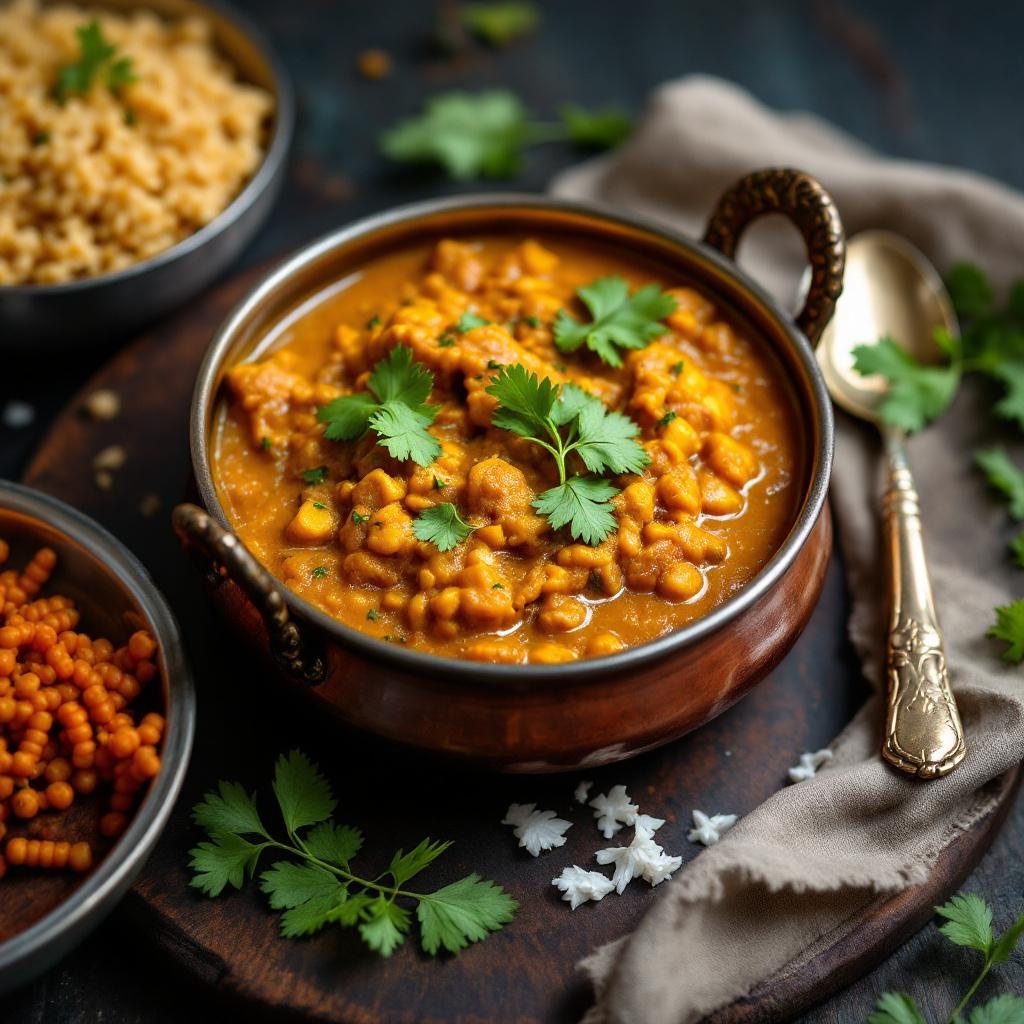
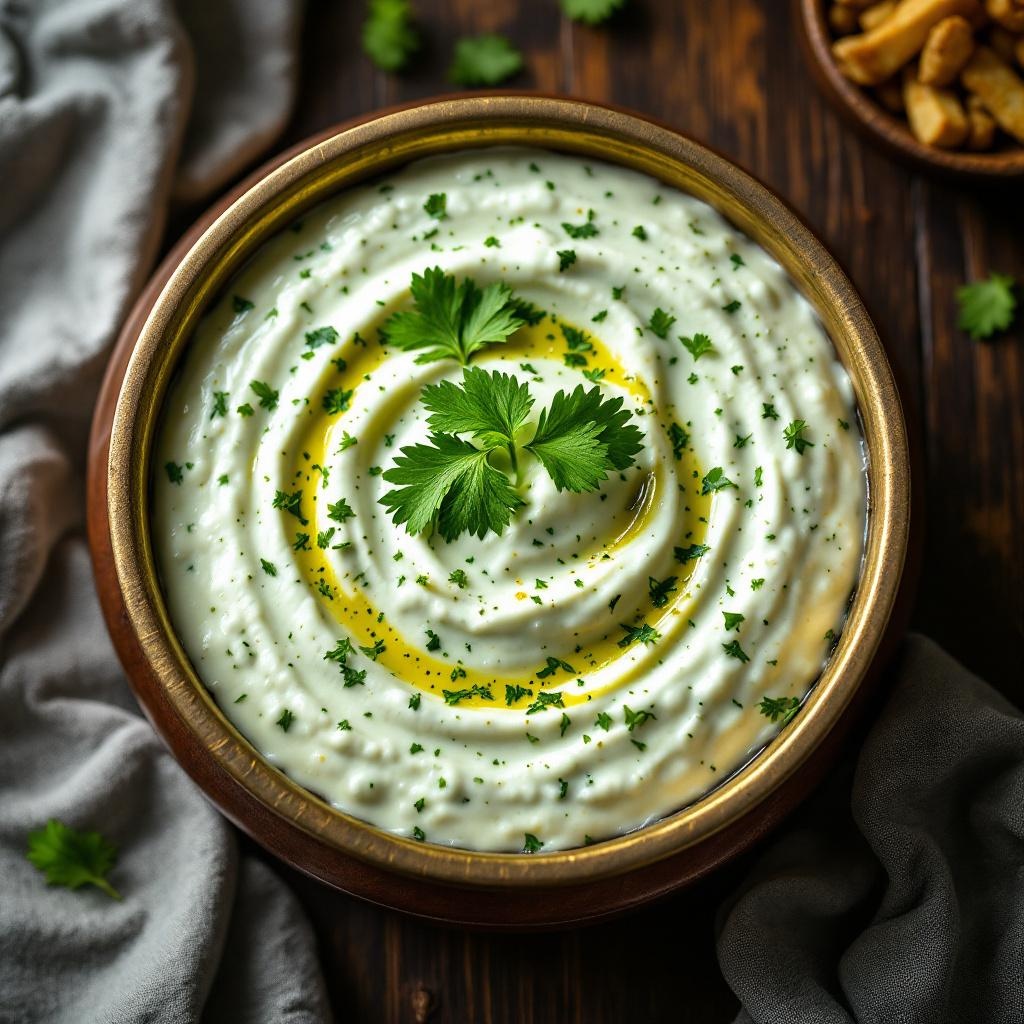
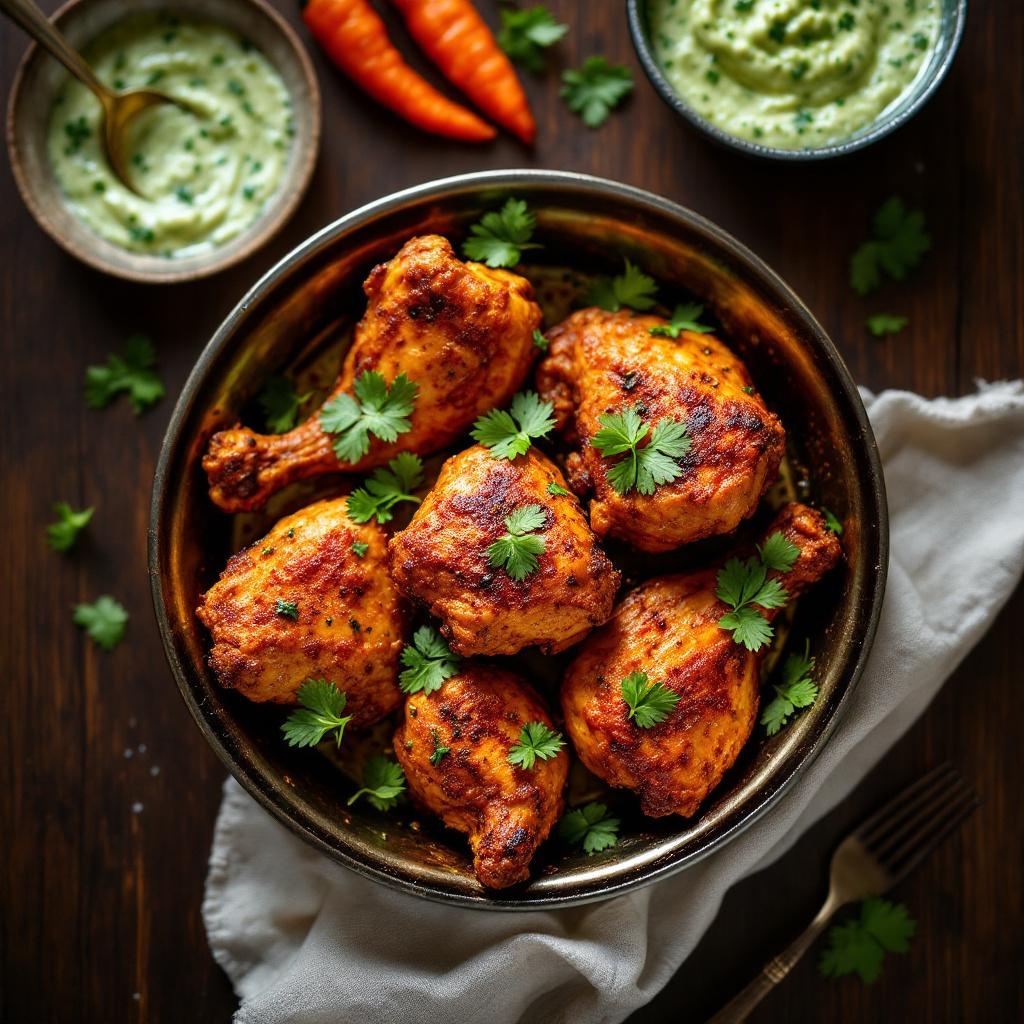
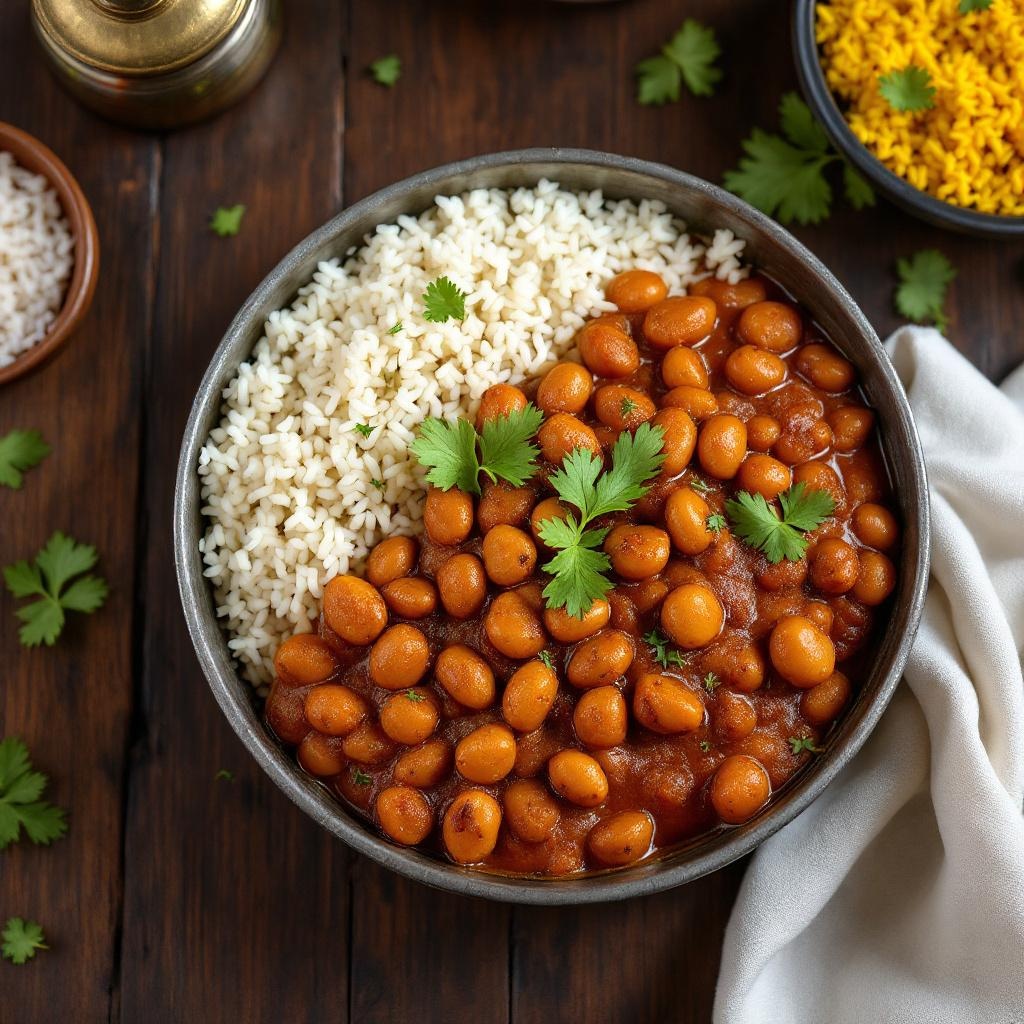
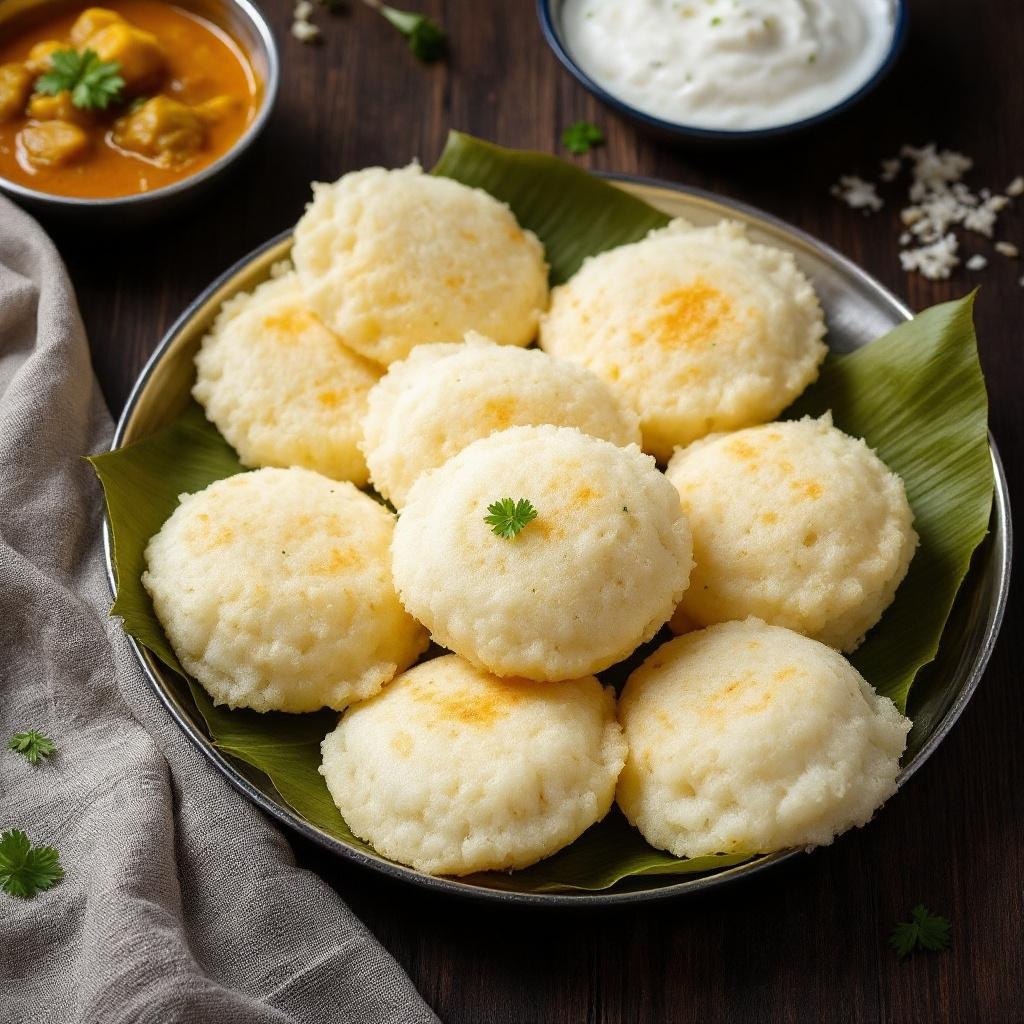
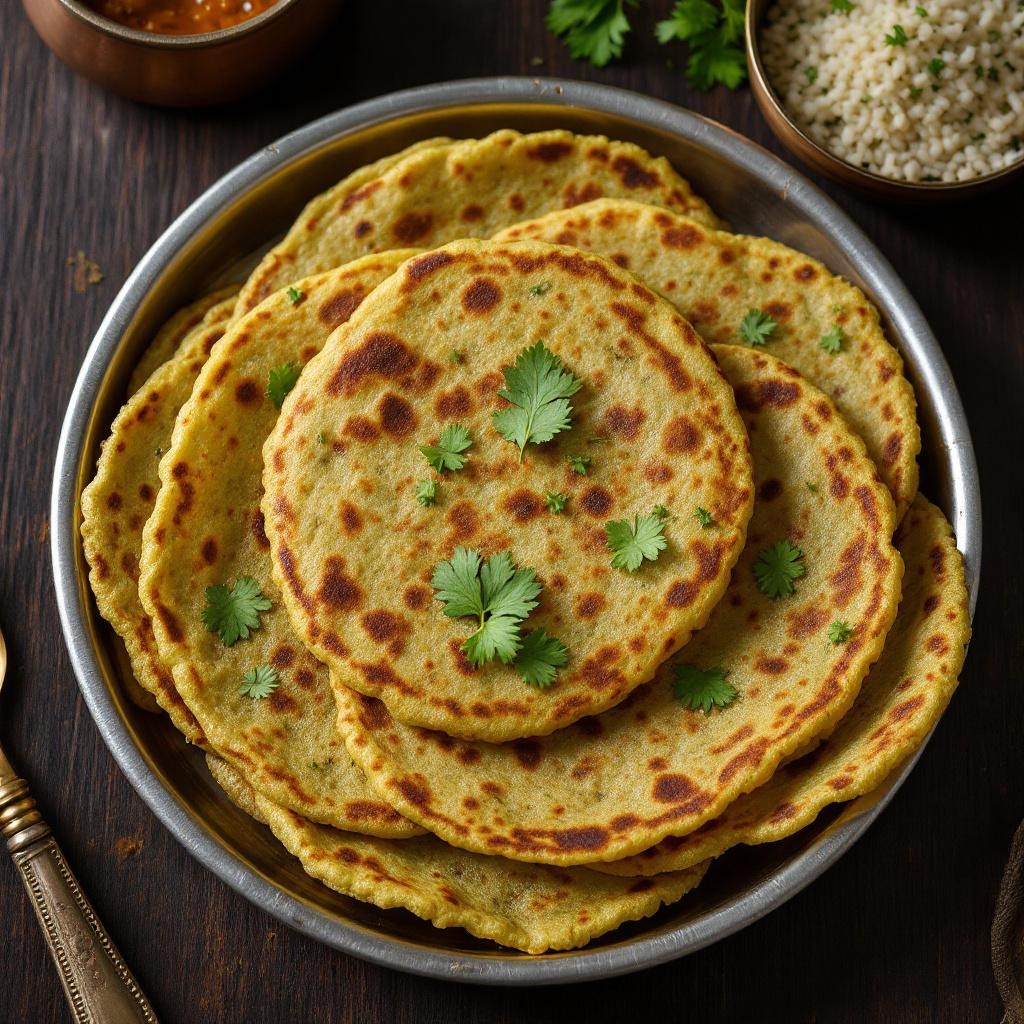
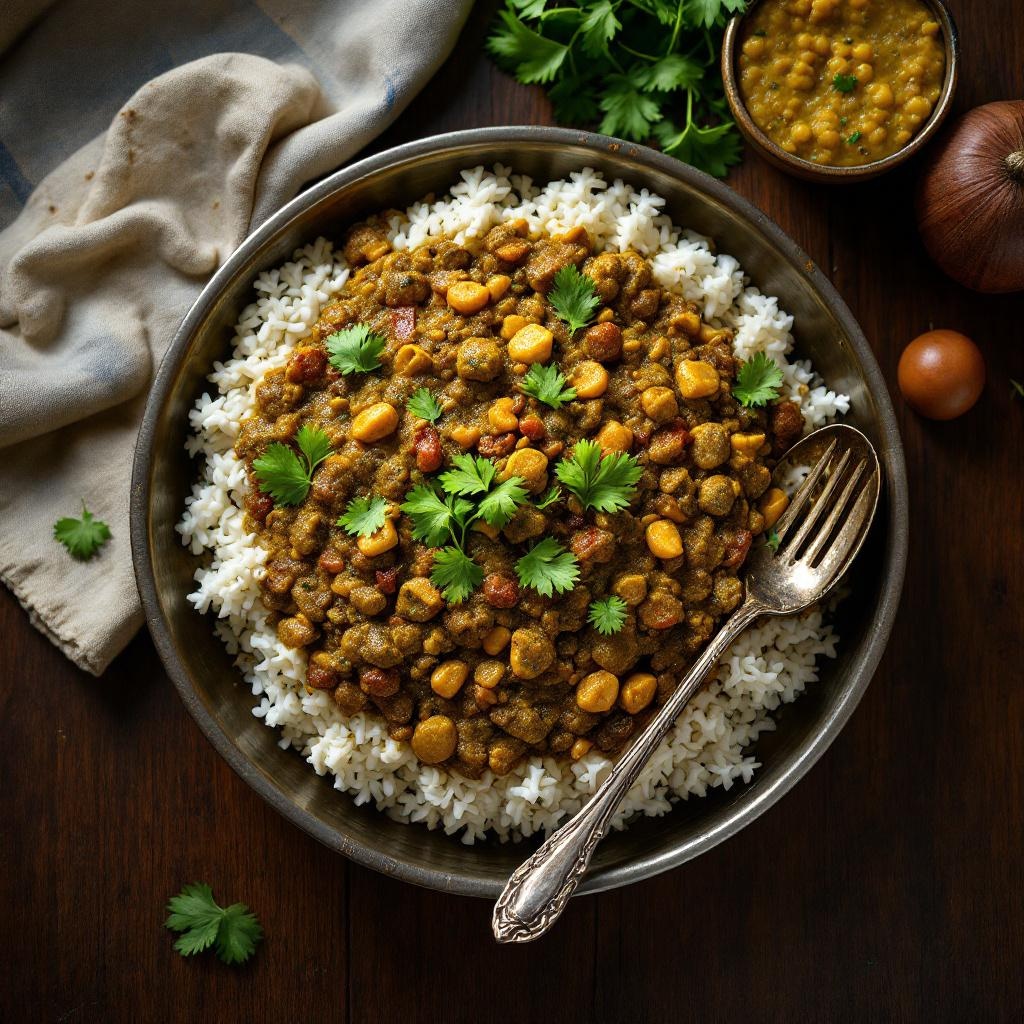
Turmeric (curcumin) improves insulin sensitivity. Fenugreek seeds lower fasting glucose. Cinnamon slows gastric emptying. Indian cooking uses all three daily. Your masala dabba is a pharmacy.
Mexican Cuisine
Built on beans. Blessed by science.
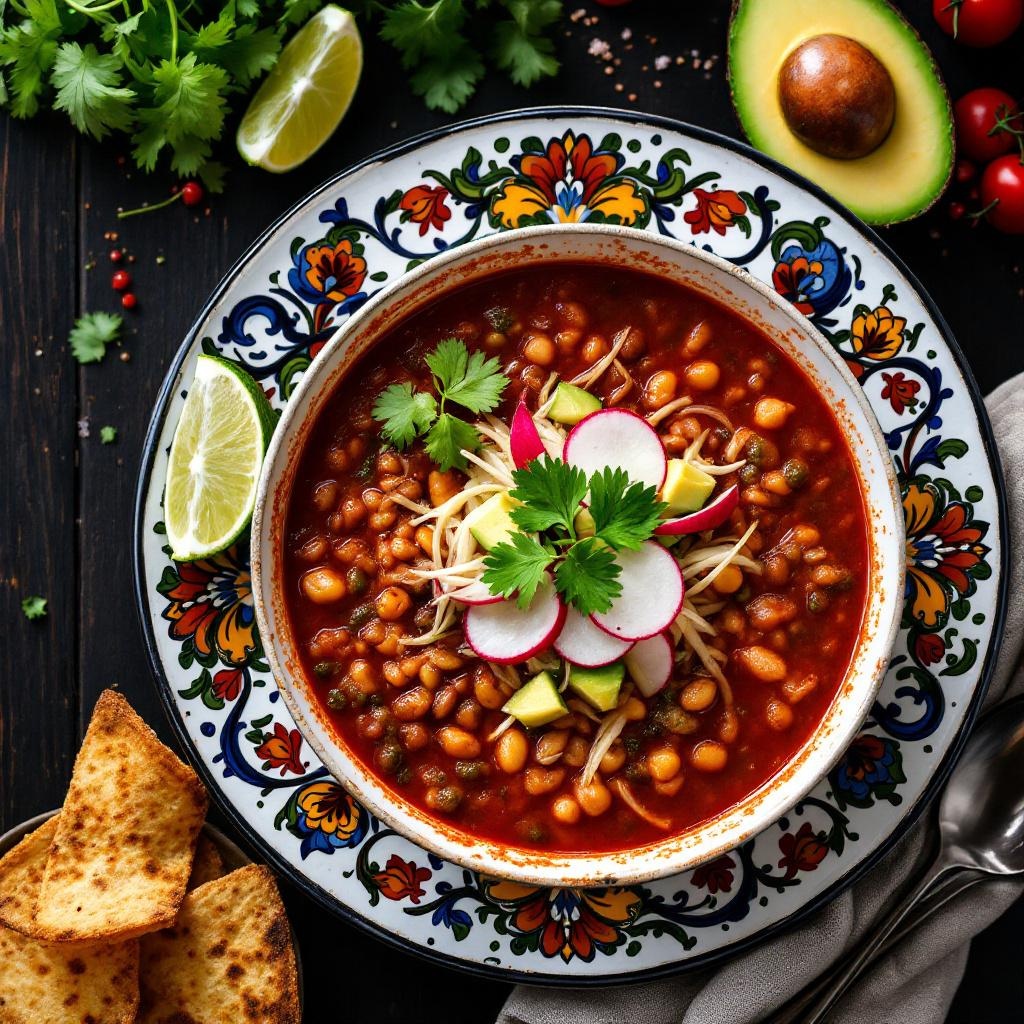
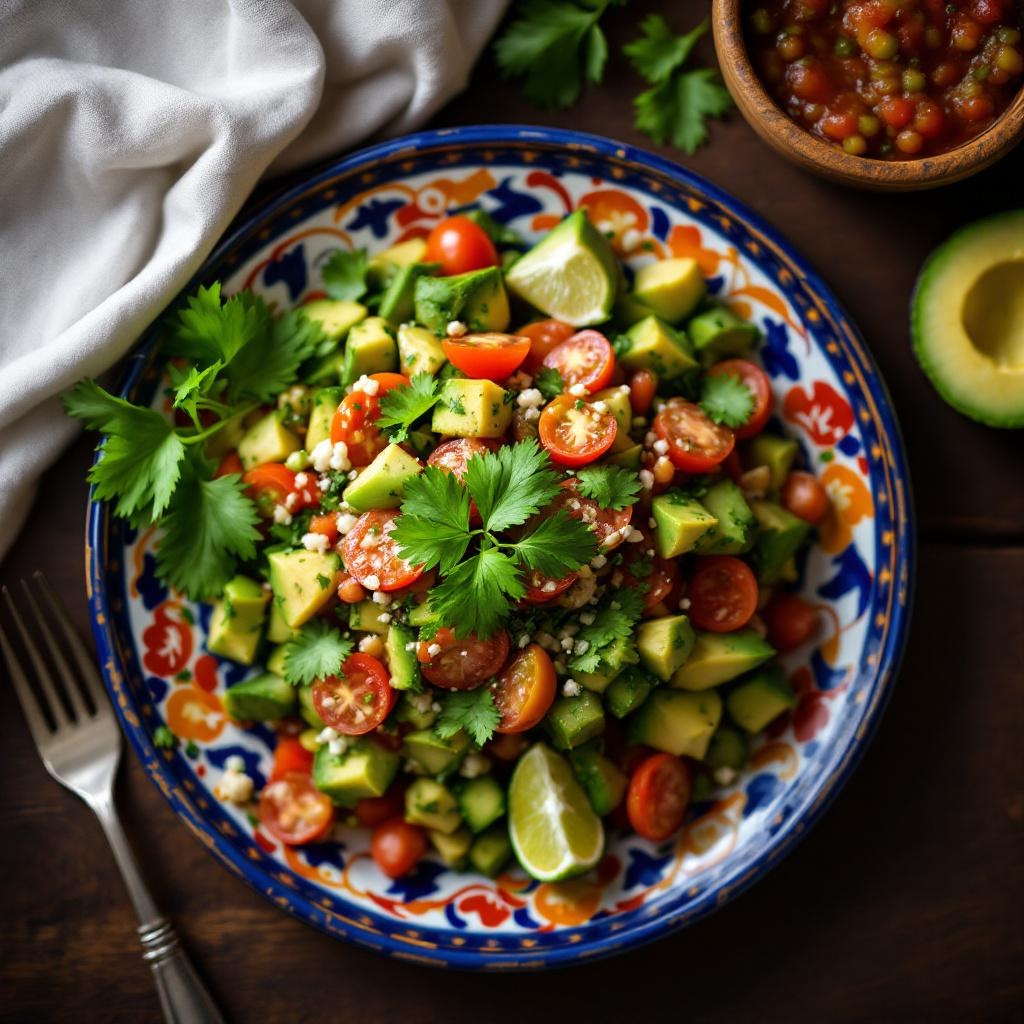
Mexican food has a PR problem. People think of it as heavy, cheesy, fried. But traditional Mexican cooking is built on three of the best diabetic foods on earth: beans, corn, and chili peppers.
Black beans have a GI of 30 and pack 15g protein + 15g fiber per cup. Pinto beans: GI 39, similar stats. David Jenkins — the man who invented the Glycemic Index — specifically highlighted legumes as the single best food group for glycemic control (American Journal of Clinical Nutrition, 1981).
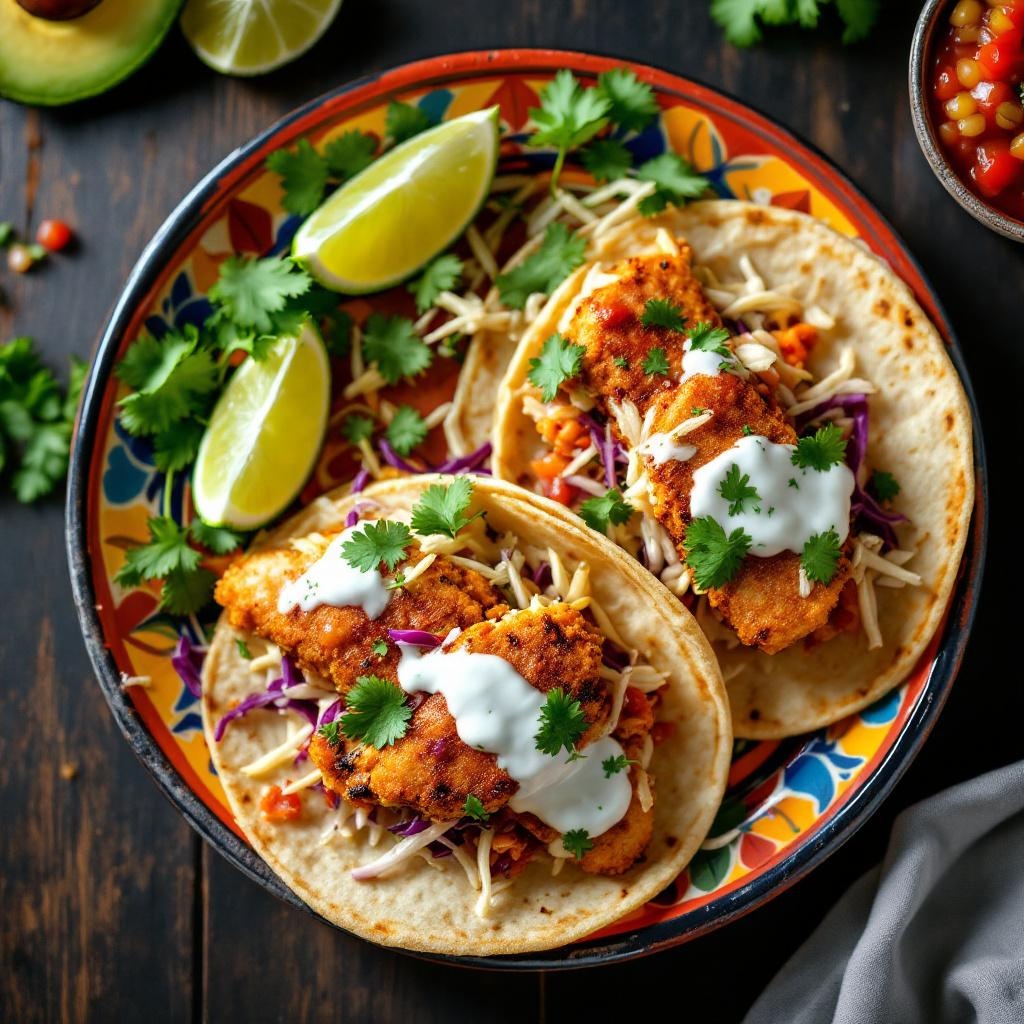
Corn tortillas vs. flour tortillas: Corn = GI ~52 (medium). Flour = GI ~70 (high). Plus corn tortillas are smaller, so you naturally eat less. Every taqueria in Mexico uses corn. The switch to flour was an American invention.
Watch out for: Flour tortilla burritos (50g+ carbs just from the wrap), queso fundido, churros, excessive cheese and sour cream. These aren't traditional — they're Tex-Mex additions.
Prickly pear cactus (nopal) has been used as a diabetes remedy in Mexican folk medicine for centuries. Modern science confirms it: a 2014 study found nopal consumption significantly reduced post-meal blood glucose in type 2 diabetics (Lopez-Romero et al., Journal of the Academy of Nutrition and Dietetics). It's sold in every Mexican market. Your abuela was right.
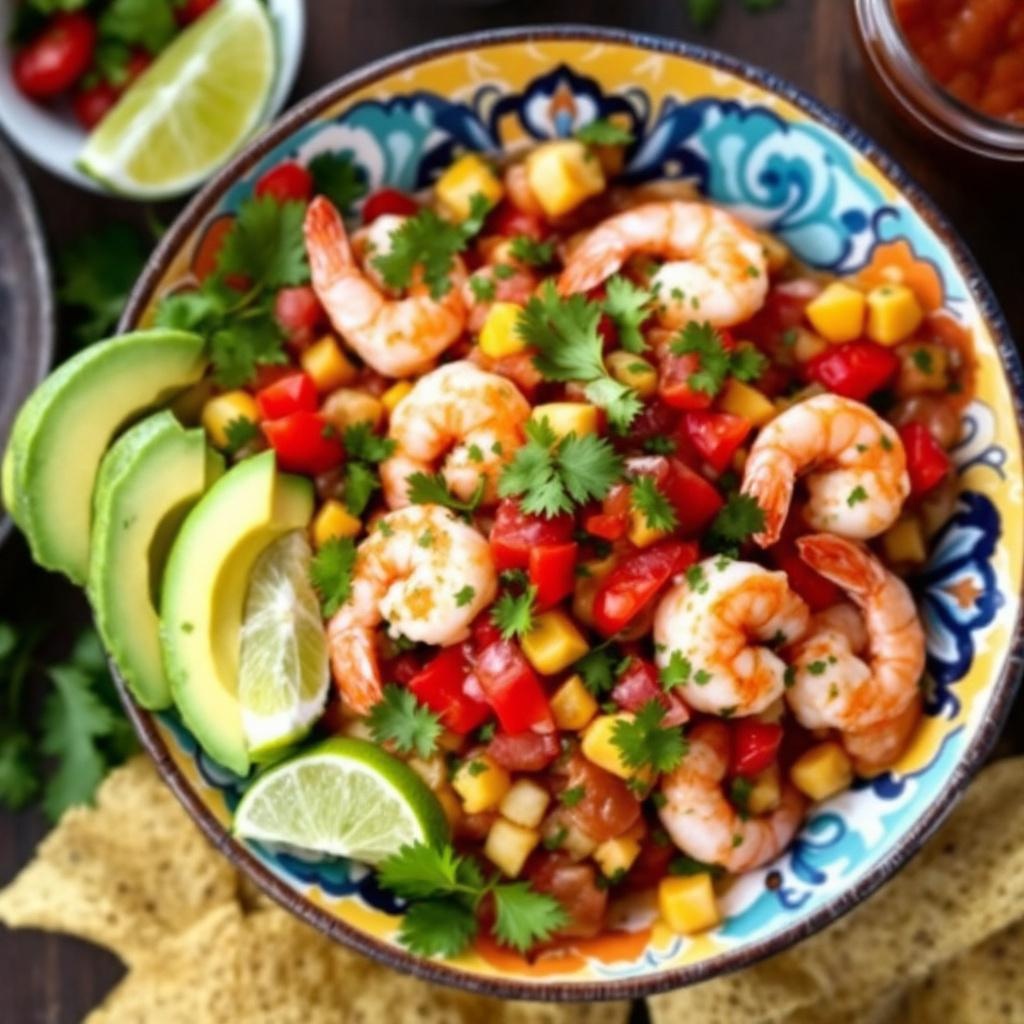
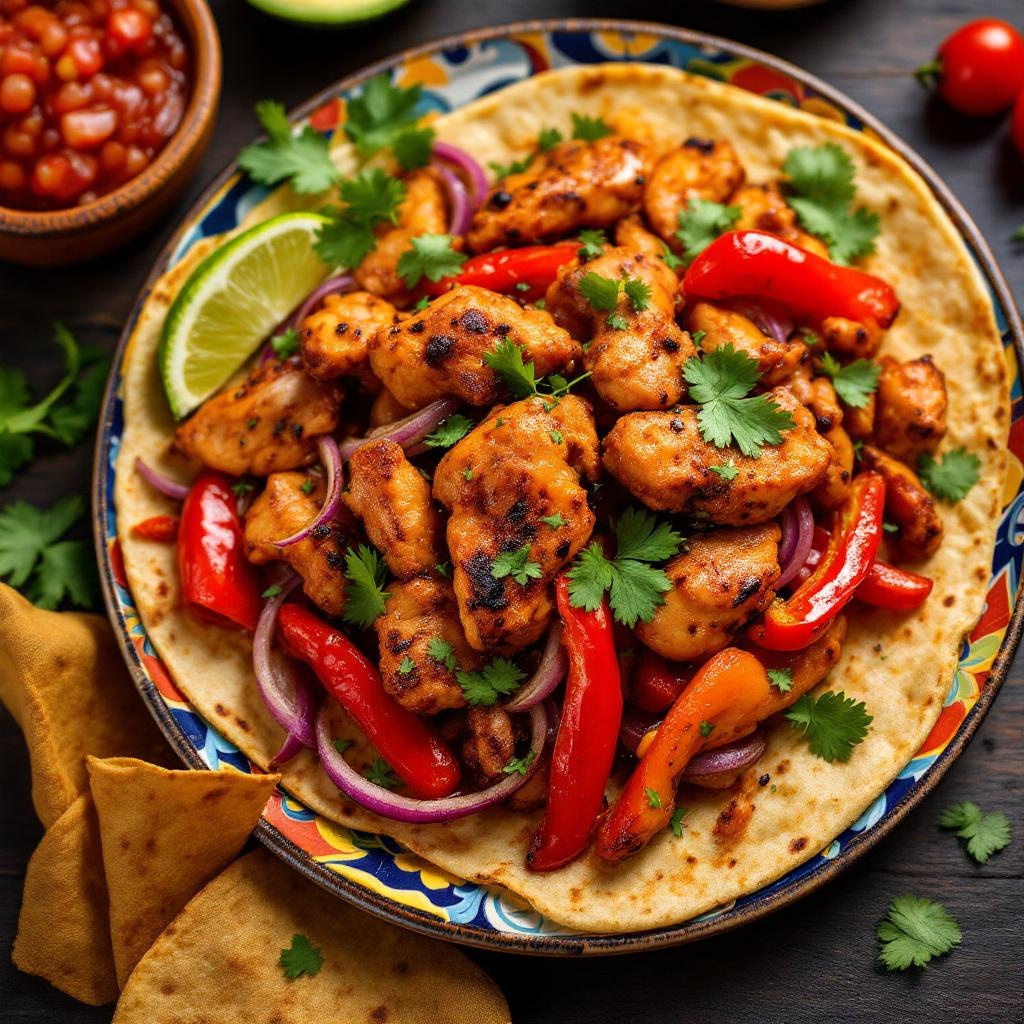
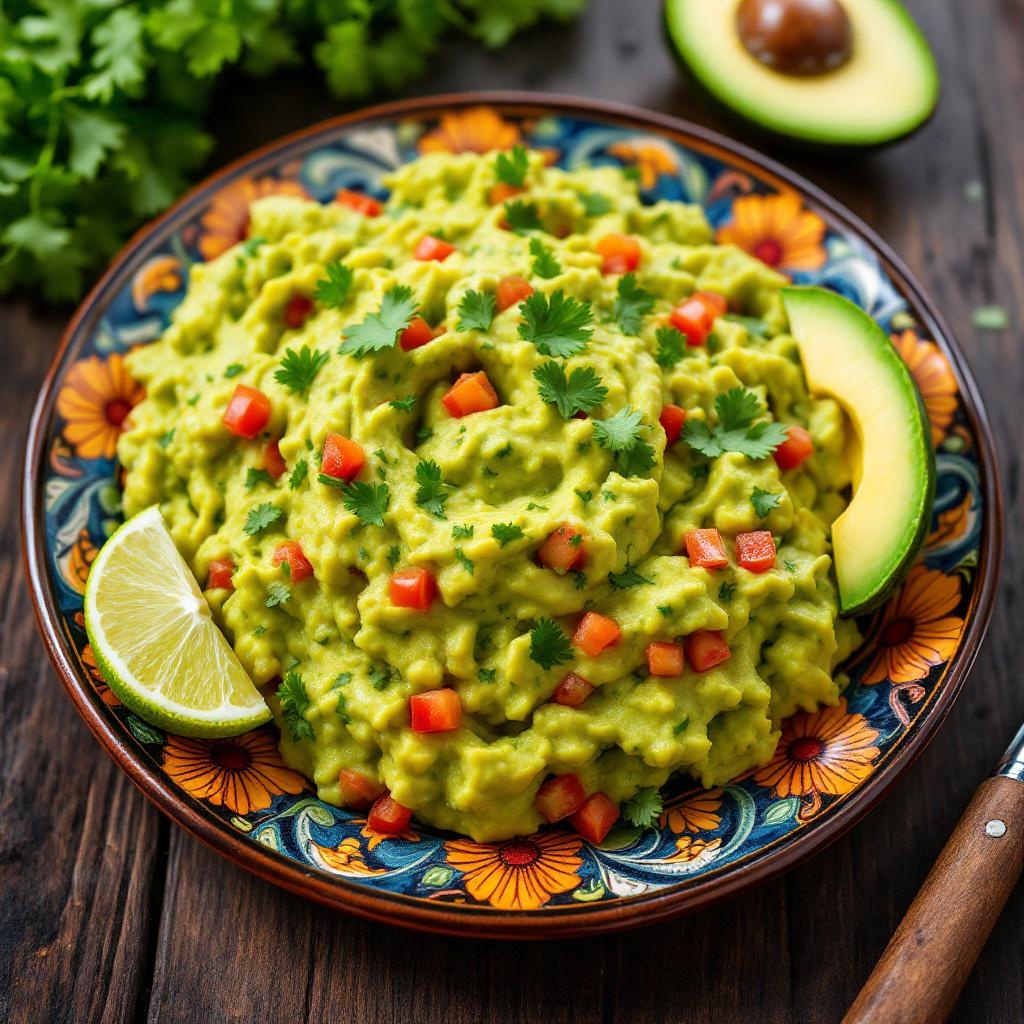
Mexican Diabetes-Friendly Dishes
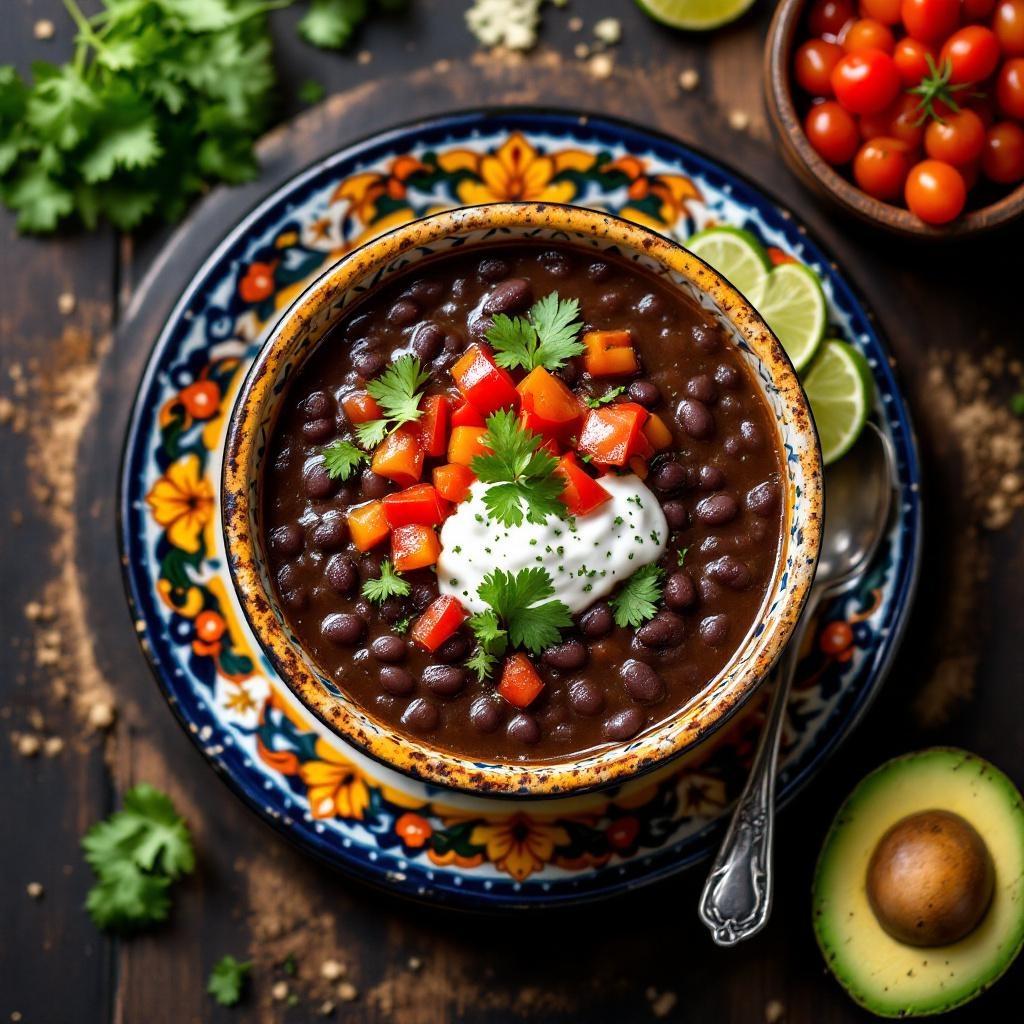
Asian Cuisine
The rice question — answered honestly.
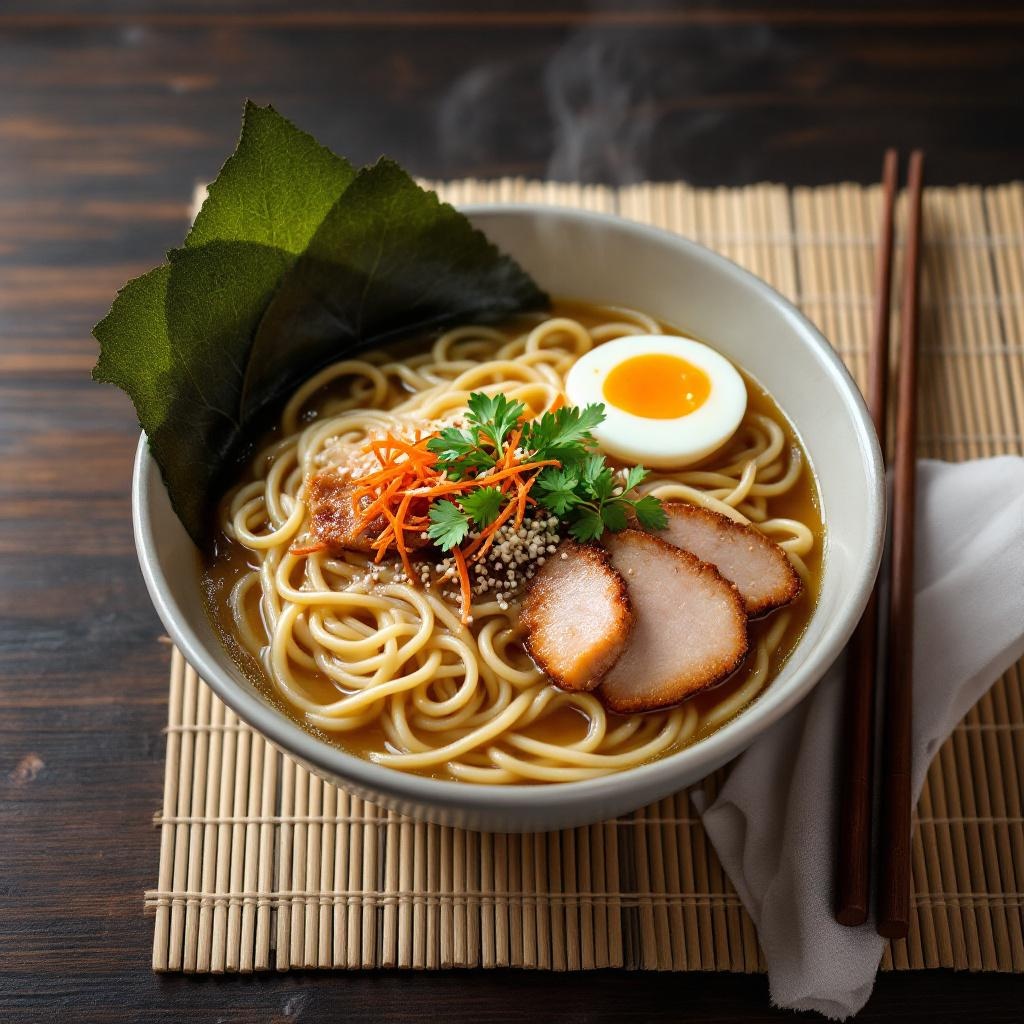
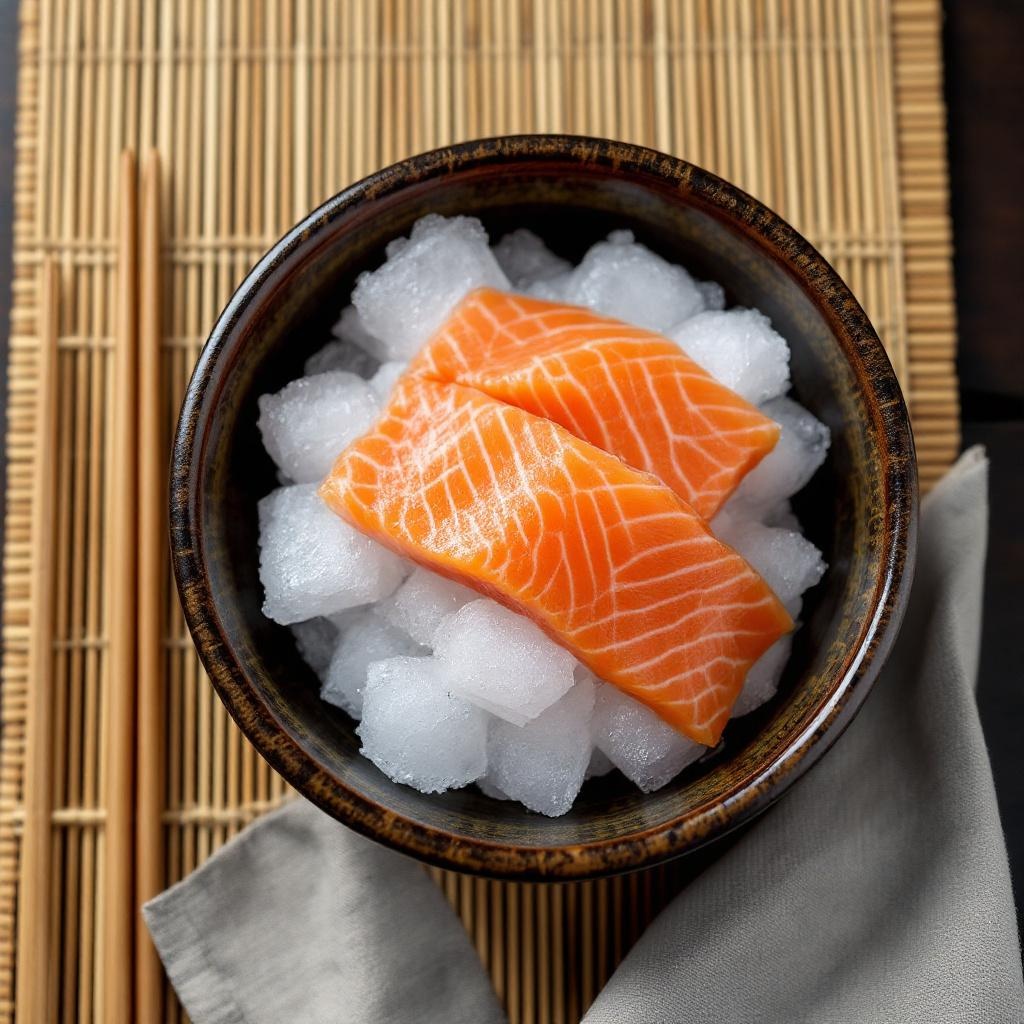
Let's address the elephant in the room: rice. If rice caused diabetes, Japan and South Korea would have the highest rates on earth. They don't. Japan has one of the lowest diabetes rates among developed nations. Why? Because they don't eat rice alone. They eat it as part of a complete meal — with miso soup, fish, pickled vegetables, and seaweed. The total glycemic load of the meal is moderate.
The fermented food connection: East Asian cuisines are rich in fermented foods — kimchi, miso, natto, soy sauce, pickles. A 2019 review found that regular consumption of fermented foods positively affects gut microbiome composition, which in turn influences glucose metabolism (Dimidi et al., Nutrients, 2019). Your Korean grandmother who eats kimchi with every meal is doing cutting-edge microbiome science.
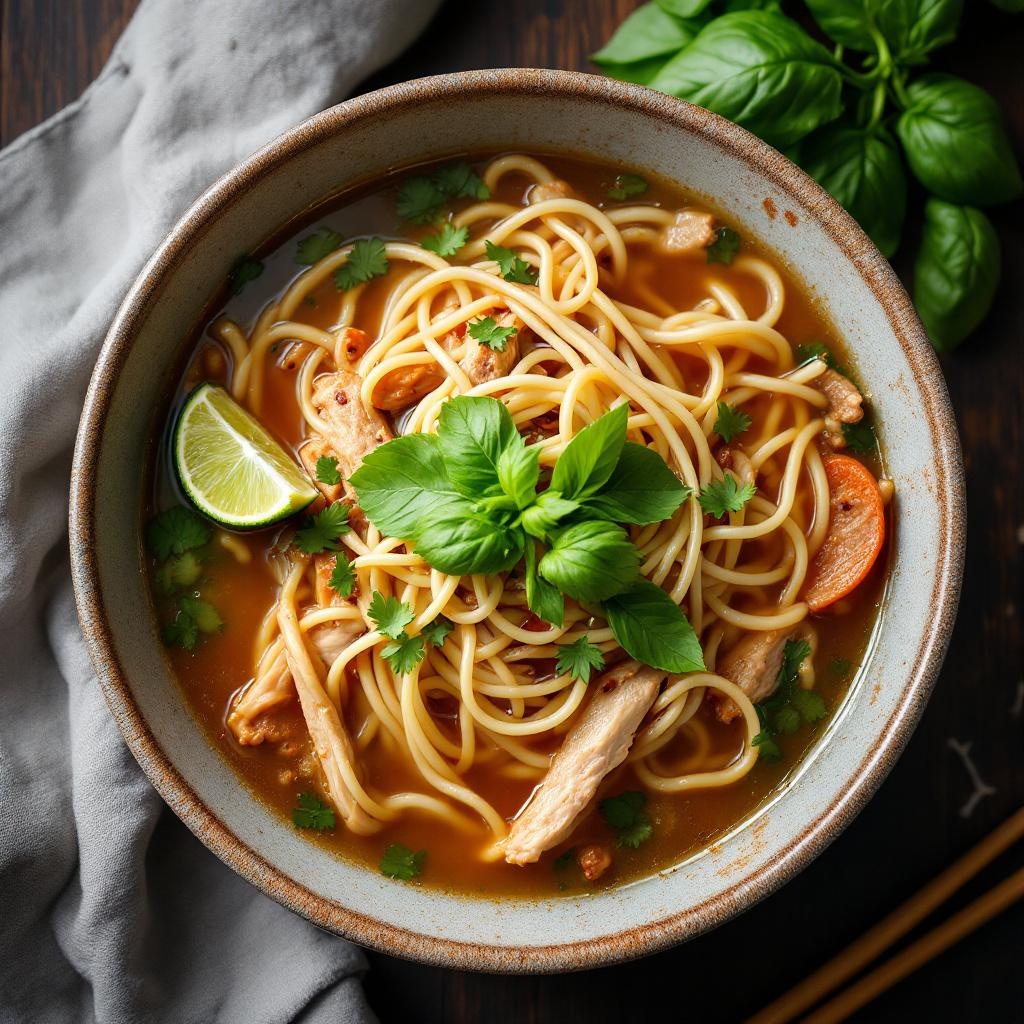
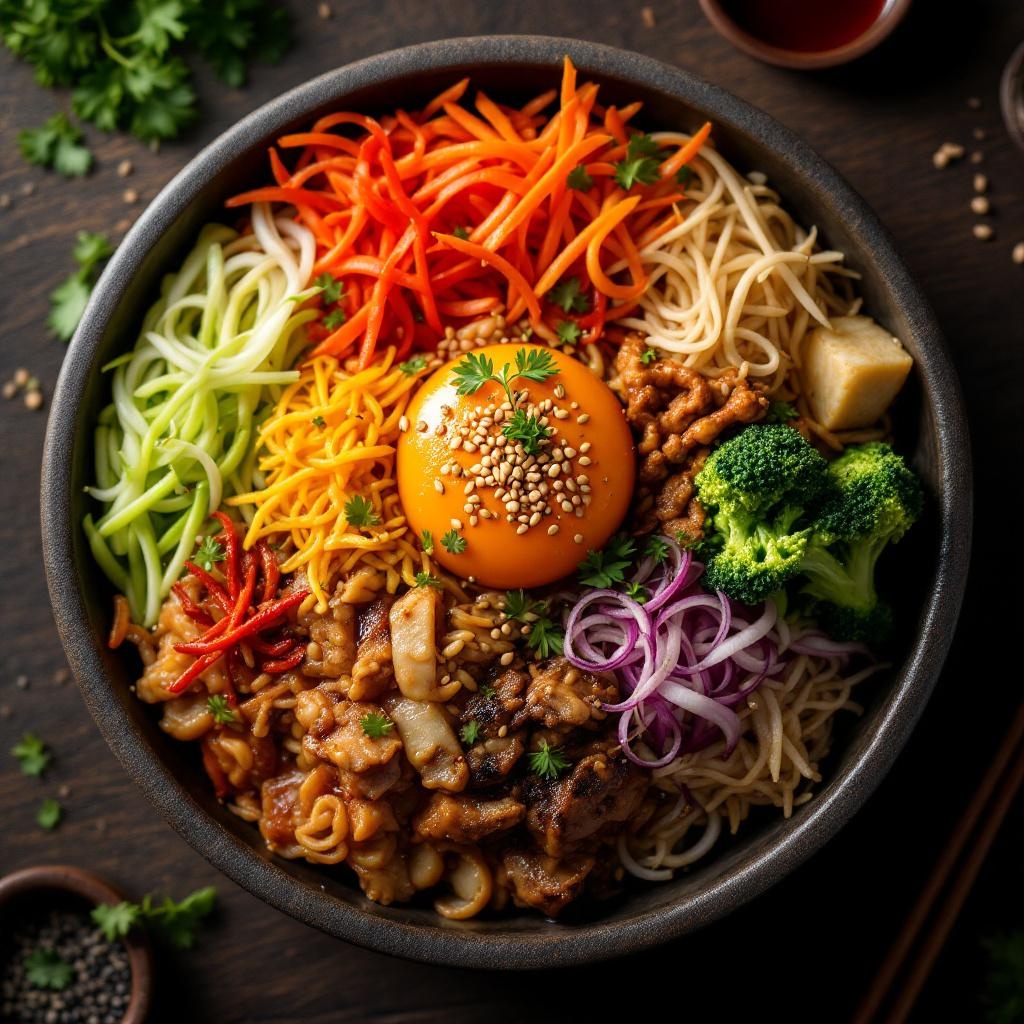
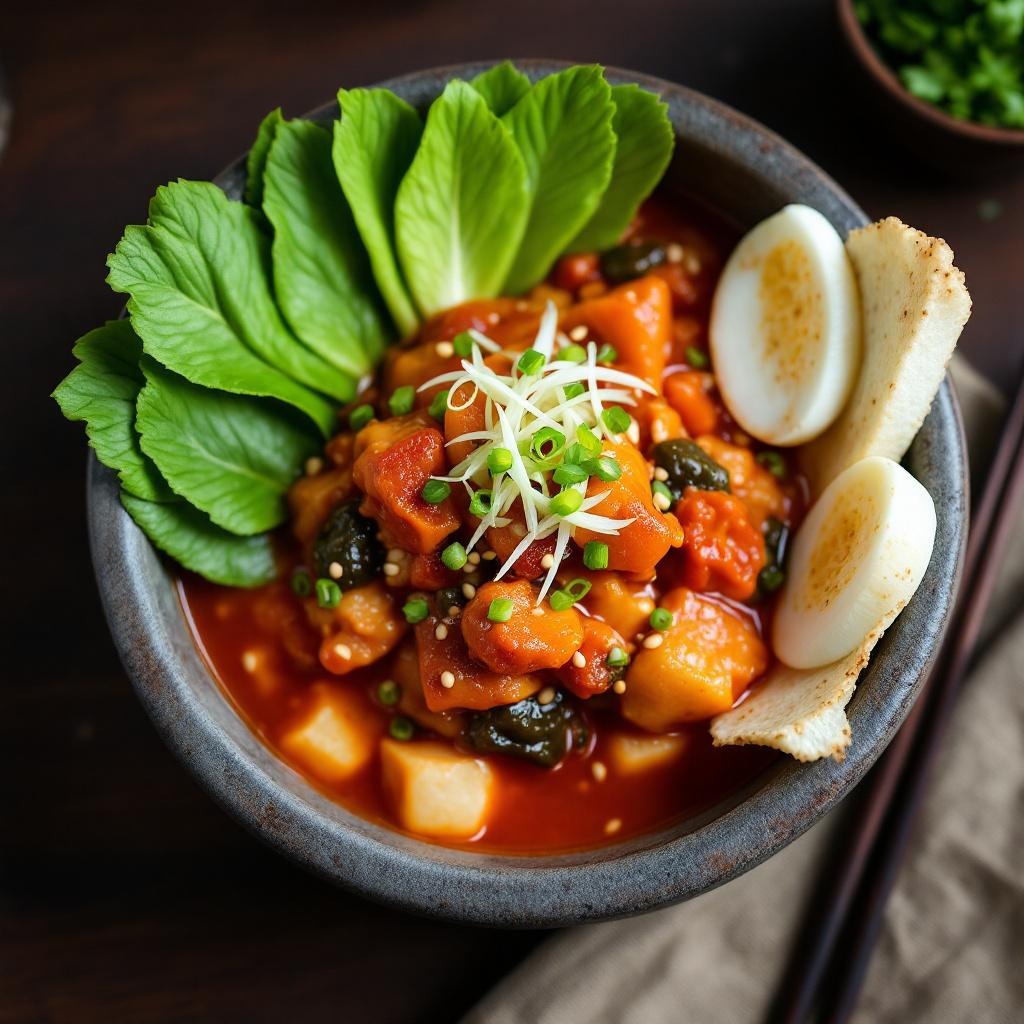
Best choices: Miso soup, sashimi, steamed or grilled fish, tofu dishes, pho (broth-based, light on noodles), bibimbap (mixed rice bowl with vegetables), kimchi jjigae, steamed dumplings.
Watch out for: Teriyaki sauce (loaded with sugar), sweet chili sauce, fried rice, tempura, pad thai (high sugar + high carb). These are fine occasionally — just know the numbers.
Asian Diabetes-Friendly Dishes
Mediterranean Cuisine
The diet doctors actually agree on.
The Mediterranean diet is the #1 doctor-recommended dietary pattern for type 2 diabetes management. Not low-carb. Not keto. Not paleo. The Mediterranean diet. A 2015 meta-analysis by Esposito et al. in the Annals of Internal Medicine found it significantly improved glycemic control, cardiovascular risk factors, and body weight compared to other diets.
Why it works: Olive oil (improves insulin sensitivity — Schwingshackl et al., Clinical Nutrition, 2017), legumes (low GI, high fiber), fish (omega-3s), whole grains, abundant vegetables, and moderate wine consumption. It's not a "diet" — it's how 400 million people around the Mediterranean eat every day.
The magic isn't any single food. It's the pattern: meals built around vegetables and legumes, with animal protein as a complement rather than the centerpiece. Olive oil as the primary fat. Herbs and spices instead of salt and sugar for flavor.
Extra virgin olive oil doesn't just "not harm" diabetics — it actively improves insulin sensitivity. A 2017 umbrella review of 32 meta-analyses found that olive oil consumption was associated with reduced risk of type 2 diabetes, cardiovascular disease, and all-cause mortality. Use it liberally. Your pancreas will thank you.
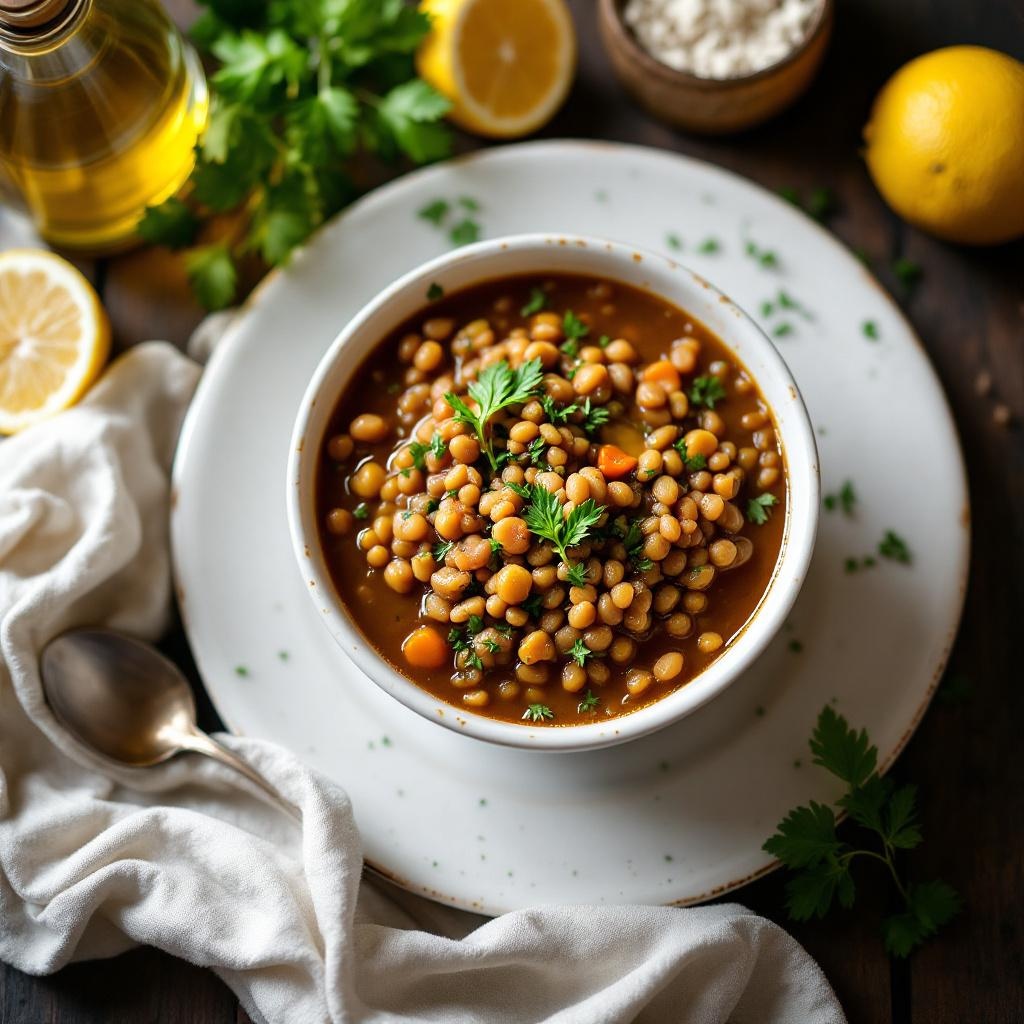
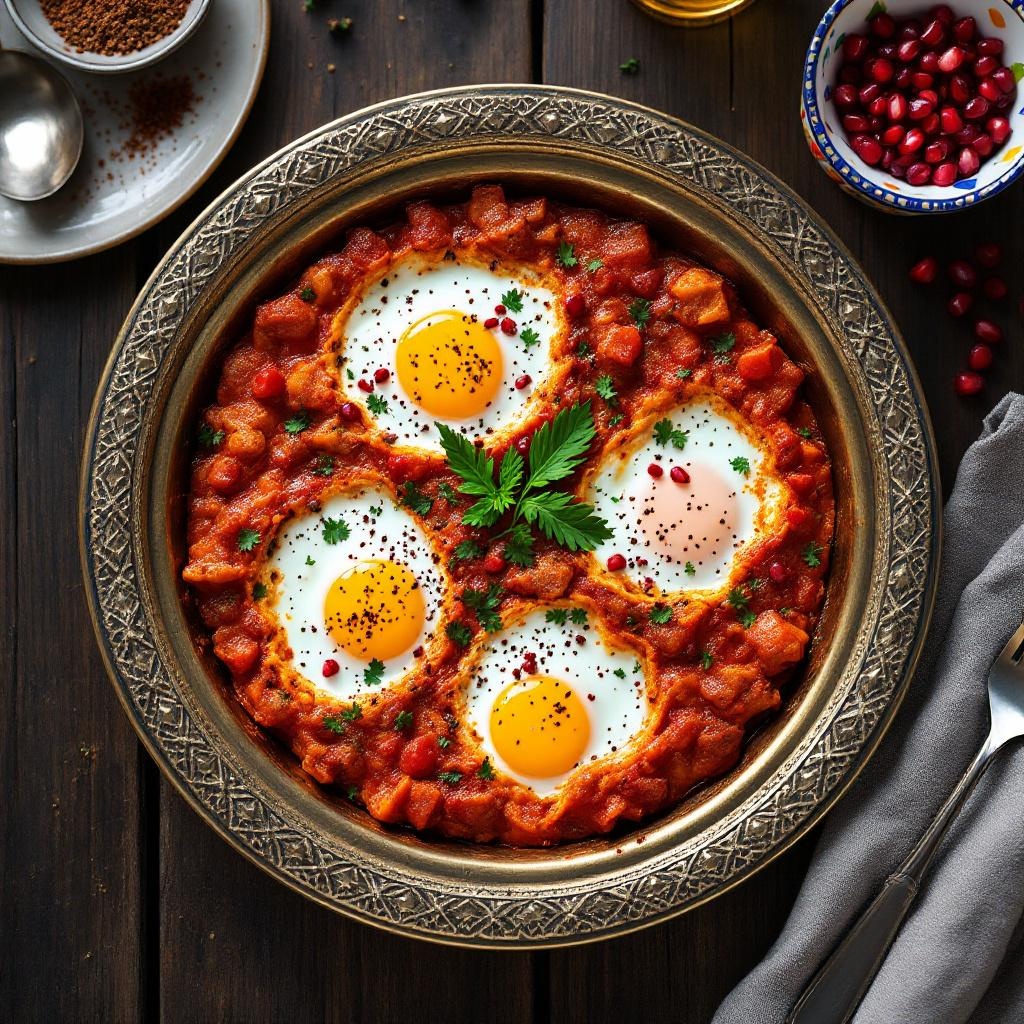
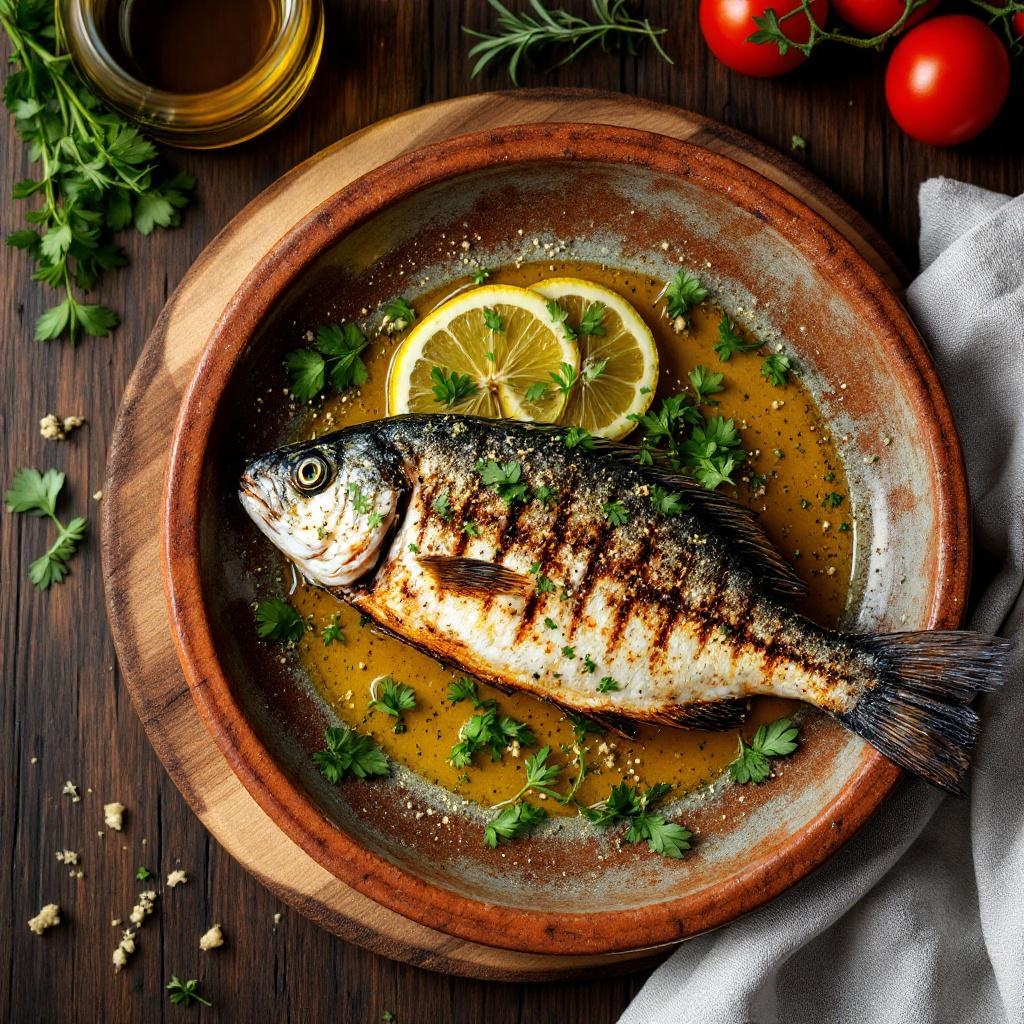
Mediterranean Diabetes-Friendly Dishes
The Plate Method
One visual that replaces all the counting.
The American Diabetes Association recommends the Plate Method as the simplest approach to balanced meals. It works across every cuisine: half your plate = non-starchy vegetables, a quarter = lean protein, a quarter = carbs/grains. Here's what that looks like around the world:
Indian Thali
Half plate: Bhindi sabzi + salad + raita
Quarter: Dal or chicken curry
Quarter: 1 small roti or 1/2 katori rice
~450 cal | ~35g carbs
Mexican Plate
Half plate: Nopales salad + grilled peppers
Quarter: Grilled chicken or fish
Quarter: Black beans + 1 corn tortilla
~420 cal | ~38g carbs
Japanese Set Meal
Half plate: Miso soup + pickles + seaweed salad
Quarter: Grilled salmon or tofu
Quarter: Small bowl of rice
~430 cal | ~40g carbs
Mediterranean Spread
Half plate: Greek salad + tabbouleh
Quarter: Grilled fish or falafel
Quarter: Hummus + small pita
~440 cal | ~36g carbs
Notice how every balanced plate above lands between 35-40g carbs? That's not a coincidence. For most type 2 diabetics, 30-45g of carbs per meal is the sweet spot that keeps post-meal glucose in the 140-180 mg/dL range. Your specific number may vary — work with your healthcare provider to find yours. But the plate method gets you there without counting a single gram.
7-Day Meal Plans
Indian Diabetic-Friendly Plan (~1,500 cal/day, <150g carbs)
| Day | Breakfast | Lunch | Dinner | Cal | Carbs |
|---|---|---|---|---|---|
| Mon | Moong dal chilla (2) + mint chutney | Rajma + 1 roti + salad | Palak paneer + 1 roti | 1,420 | 138g |
| Tue | Idli (3) + sambar | Fish curry + 1/2 katori rice + raita | Chicken tikka + salad + curd | 1,460 | 142g |
| Wed | Methi thepla (2) + curd | Chana masala + 1 roti + bhindi | Egg curry + lauki sabzi + 1 roti | 1,490 | 148g |
| Thu | Besan chilla + green chutney | Dal palak + 1/2 katori rice + salad | Tandoori chicken + raita + salad | 1,380 | 130g |
| Fri | Sprouts chaat + tea | Paneer tikka + 1 roti + tori sabzi | Fish curry + 1 roti + salad | 1,440 | 135g |
| Sat | Poha (controlled portion) | Rajma + 1/2 katori rice + raita | Palak chicken + 1 roti | 1,510 | 146g |
| Sun | Idli (3) + coconut chutney | Small biryani + raita + salad | Dal tadka + tori sabzi + 1 roti | 1,520 | 150g |
Average 141g carbs/day. Room for a small treat on the weekend. Yes, even biryani on Sunday — just a controlled portion with plenty of raita and salad.
Mexican Diabetic-Friendly Plan (~1,500 cal/day, <150g carbs)
| Day | Breakfast | Lunch | Dinner | Cal | Carbs |
|---|---|---|---|---|---|
| Mon | Huevos rancheros (1 egg, corn tortilla, salsa) | Grilled fish tacos (2, corn) | Black bean soup + nopales salad | 1,420 | 140g |
| Tue | Chilaquiles verdes (small portion) | Chicken fajitas + guacamole | Sopa de lenteja + small salad | 1,480 | 145g |
| Wed | Scrambled eggs + black beans + salsa | Pozole rojo + tostada | Ceviche + corn tortilla + guacamole | 1,440 | 138g |
| Thu | Nopales con huevo (2 eggs) | Bean burrito (corn) + salad | Chicken mole + small rice | 1,500 | 148g |
| Fri | Fruit + yogurt + pepitas | Shrimp cocktail + corn tortilla | Grilled chicken + black beans + nopales | 1,390 | 132g |
| Sat | Enfrijoladas (bean sauce, corn tortilla) | Fish tacos (2) + gazpacho | Chicken fajitas + guacamole | 1,510 | 146g |
| Sun | Huevos a la mexicana | Pozole + nopales salad | Chicken mole + beans + small rice | 1,520 | 150g |
Mixed Asian Diabetic-Friendly Plan (~1,500 cal/day, <150g carbs)
| Day | Breakfast | Lunch | Dinner | Cal | Carbs |
|---|---|---|---|---|---|
| Mon | Miso soup + egg + small rice | Pho (light noodles, extra veg) | Grilled salmon + edamame + salad | 1,430 | 135g |
| Tue | Congee + egg + pickles | Bibimbap (half rice) | Tom yum soup + steamed fish | 1,460 | 142g |
| Wed | Steamed dumplings (4) + broth | Kimchi jjigae + small rice | Larb in lettuce cups + miso soup | 1,410 | 130g |
| Thu | Egg + avocado + small rice | Mapo tofu + steamed vegetables | Sashimi + edamame + miso soup | 1,480 | 138g |
| Fri | Miso soup + tofu + rice | Steamed fish + stir-fried vegetables | Pho (chicken, light noodles) | 1,450 | 140g |
| Sat | Dim sum (steamed, 6 pcs) | Grilled salmon teriyaki + salad | Kimchi jjigae + small rice + banchan | 1,510 | 148g |
| Sun | Congee + pickles + egg | Bibimbap + miso soup | Tom yum + steamed dumplings (4) | 1,490 | 145g |
When You Eat Matters
Timing matters more than you think.
Your body doesn't process glucose the same way at 8 AM and 8 PM. Glucose tolerance naturally decreases as the day progresses — your cells become more insulin-resistant in the evening. This isn't a fad claim; it's circadian biology.
A 2022 meta-analysis by Reynolds et al. in Diabetologia found that a 15-minute walk after meals reduced postprandial glucose by approximately 30% compared to sitting. Not a jog. Not a gym session. A walk. After dinner. That's it. This is the most cost-effective, side-effect-free diabetes intervention that exists.
Best meal timing strategy:
- Eat your largest meal earlier in the day (lunch, not dinner). Your body handles carbs better before 3 PM.
- Keep dinner lighter and lower-carb. A dal-sabzi-roti dinner beats a biryani dinner, glucose-wise.
- Don't skip breakfast. Fasting until noon then eating a large lunch causes larger glucose spikes than spreading the same calories across three meals.
- The "eat carbs last" strategy applies to every meal. Start with your sabzi, salad, or soup. Protein next. Carbs last.
- Walk after meals when possible. Even 10 minutes counts. This is the single most impactful habit you can build.
Is it real? Partially. Evening glucose tolerance is lower, so the same food will cause a higher spike at 9 PM than at 9 AM. But this doesn't mean zero carbs after 8. It means: if you're going to have a carb-heavy meal, lunch is better than dinner. If dinner includes carbs, keep them moderate and walk afterward.
The Weekly Budget
Less stress. Better control. Same food.
Most diabetes management focuses on daily targets: daily carb limits, daily calorie goals, daily guilt. Calorique takes a different approach, and the science supports it.
Strict daily tracking increases anxiety and doesn't improve long-term outcomes. People who obsess over daily numbers burn out. People who think weekly stay consistent. A 2018 review in Obesity Reviews found that flexible dietary approaches produced equivalent glycemic outcomes to rigid approaches, with significantly better adherence and psychological well-being.
Here's what weekly thinking looks like:
Monday through Thursday you eat 130g carbs each = 520g used. That leaves 480g for Friday-Sunday. That's 160g/day on weekends. Enough for a reasonable portion of biryani on Saturday AND a couple of tacos on Sunday. No guilt. Just math.
The goal isn't perfection. It's awareness. Know the number, make the choice, enjoy the food. A person who eats biryani knowing it's 450 calories and 60g carbs, and adjusts the rest of their day accordingly, is in far better metabolic control than someone who eats "diet food" all day and then stress-eats at night because they're miserable.
Calorique tracks your weekly carb and calorie budgets automatically. It knows that Tuesday's light lunch gives you room for Wednesday's celebration dinner. It doesn't judge. It doesn't lecture. It just shows you the math and trusts you to make good decisions. Because you will.
Three Things to Remember
Your cultural food is not the enemy.
Indian thalis, Mexican bean dishes, Japanese set meals, Mediterranean spreads — all of them can be diabetes-friendly with the right portions and combinations. The balanced meals your culture already knows are often better than the "healthy" alternatives the internet is selling you.
Three habits beat any diet.
Eat vegetables and protein first, carbs last (73% lower glucose spikes). Walk 15 minutes after meals (30% lower glucose). Never eat carbs alone — always with a protein or fat buddy. Three habits. No special foods. No supplements. No suffering.
Weekly awareness beats daily anxiety.
You have 21 meals a week. If 17 are balanced and 4 are indulgent, you're winning. The person eating rajma-chawal with full awareness of their weekly budget is in better metabolic shape than the person white-knuckling through another sad salad. Knowledge is freedom. Use it.
Track Carbs, Not Anxiety
Every dish in this guide is in Calorique.
Search any food. See the carbs. See the GI. See how it fits your weekly budget.
Calorique tracks calories, carbs, glycemic load,
and suggests balanced meals from your cuisine.

Disclaimer
This guide is for educational and informational purposes only. It is NOT medical advice, NOT a substitute for professional medical care, and NOT a diabetes management plan.
Diabetes is a serious medical condition that requires supervision by a qualified healthcare provider. The information in this guide does NOT replace the guidance of your endocrinologist, diabetologist, certified diabetes educator (CDE), or registered dietitian.
The Calorique Experts are not physicians, registered dietitians, certified diabetes educators, or licensed healthcare professionals. This guide has not been reviewed or endorsed by any medical association, diabetes foundation, or dietetic body.
Do NOT adjust your insulin dosage, diabetes medication, or prescribed diet based on information in this guide. Always consult your healthcare team before making dietary changes.
Glycemic index values are approximate and vary based on preparation, ripeness, and individual metabolic response. Individual blood sugar responses to foods can differ significantly.
If you experience hypoglycemia, hyperglycemia, or any diabetes-related emergency, contact your healthcare provider or emergency services immediately.