
 CALORIQUE
Fasting isn't a Silicon Valley biohack. It's not a trend that started with a Tim Ferriss podcast. Fasting is ancient. It's sacred. It's woven into the fabric of nearly every civilization on Earth.
Ramadan. Ekadashi. Yom Kippur. Lent. Buddhist monks eating one meal before noon. Ethiopian Orthodox Christians fasting 200+ days a year. Billions of people have been practicing intermittent fasting for centuries — they just didn't call it that.
What's new is the science catching up. In 2019, the New England Journal of Medicine published a landmark review confirming what your great-grandmother already knew: going without food for a while does remarkable things for the human body.
But here's the problem with IF content online: it's all eggs, avocado toast, and chicken breast. Search "intermittent fasting meal plan" and you'll find the same sterile, culturally blank templates recycled across a thousand blogs. What about the 6 billion people who don't eat like a Californian wellness influencer?
This guide exists because a bowl of pho is a perfectly good way to break a fast. Because dal-chawal at 12pm is a metabolically excellent first meal. Because a shakshuka doesn't need to be replaced with a protein shake to "count."
We wrote this for people who fast — or want to — and refuse to give up the food they love to do it.
— The Calorique Experts
2When you eat, your body runs on glucose. It's easy fuel — like kindling on a fire. Your pancreas releases insulin, your cells absorb the sugar, and you feel energized. This is fed state.
When you stop eating, something fascinating begins. Here's the timeline, based on research published by de Cabo and Mattson in the New England Journal of Medicine (2019):
This is why 16:8 is the most popular protocol. You're not just skipping a meal — you're crossing the metabolic threshold where fat burning and cellular repair actually kick in. Anything shorter than 12 hours and you barely leave fed state.
This is the biggest one, and it's wrong. Heilbronn et al. (2005) in the American Journal of Clinical Nutrition found that alternate-day fasting for 22 days produced no decrease in resting metabolic rate. Your body doesn't go into "starvation mode" after 16 hours. Starvation mode is real — but it kicks in after days of severe caloric restriction, not after skipping breakfast. Short-term fasting actually increases norepinephrine, which raises metabolic rate by 3.6-14% (Mansell et al., 1990).
The "breakfast is the most important meal" idea was popularized by cereal companies in the early 1900s. Literally by John Harvey Kellogg. A 2019 BMJ meta-analysis of 13 randomized controlled trials found that breakfast eaters consumed 260 more calories per day on average with no metabolic advantage. Breakfast isn't bad. But it isn't mandatory.
Starvation is involuntary, prolonged, and dangerous. Fasting is controlled, time-limited, and done with adequate nutrition during eating windows. Your body has evolved to function without food for 16-24 hours — our ancestors didn't have a fridge. The physiological responses are completely different: fasting preserves muscle mass and increases growth hormone; starvation breaks down muscle for fuel.
Patterson and Sears (2017) in their Annual Review of Nutrition paper make a critical point: what you eat during your window matters far more than how long you fast. A 16-hour fast followed by pizza and ice cream is not a health protocol — it's just skipping a meal. The magic is in pairing time-restricted eating with nutrient-dense food.
South Indian who can't imagine life without morning coffee and idli? 16:8 with an early eating window (8am-4pm) is your protocol. Night-shift worker who eats at 2am? 18:6 built around your schedule. Business traveler who skips meals anyway? You're already doing OMAD — now do it with intention.
After 16+ hours without food, your gut is resting, your insulin is low, and your cells are primed to absorb nutrients. What you eat first sets the metabolic tone for the rest of your eating window. Break it wrong, and you'll spike insulin, crash energy, and feel worse than if you hadn't fasted at all.
The rule: Start with something warm, easily digestible, protein-containing, and moderate in volume. Then build to a full meal 30-60 minutes later if needed.
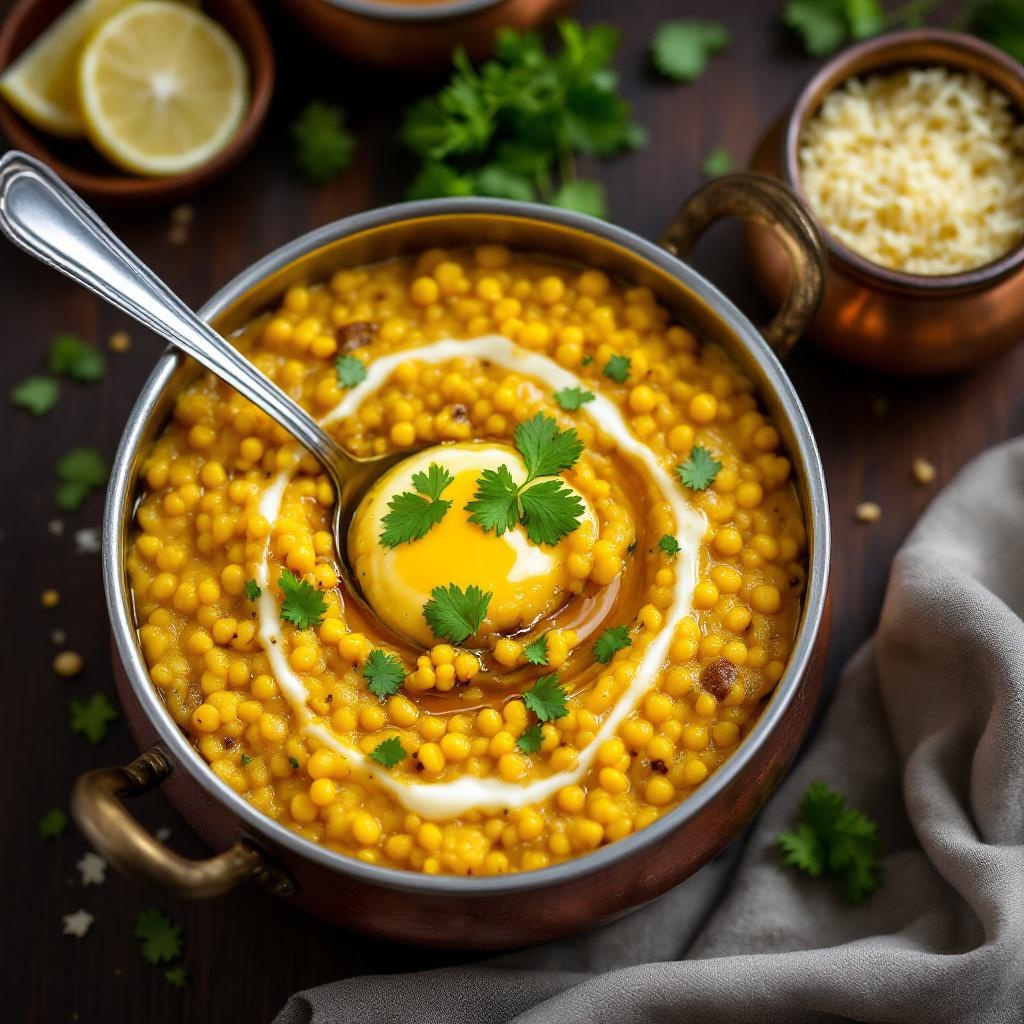
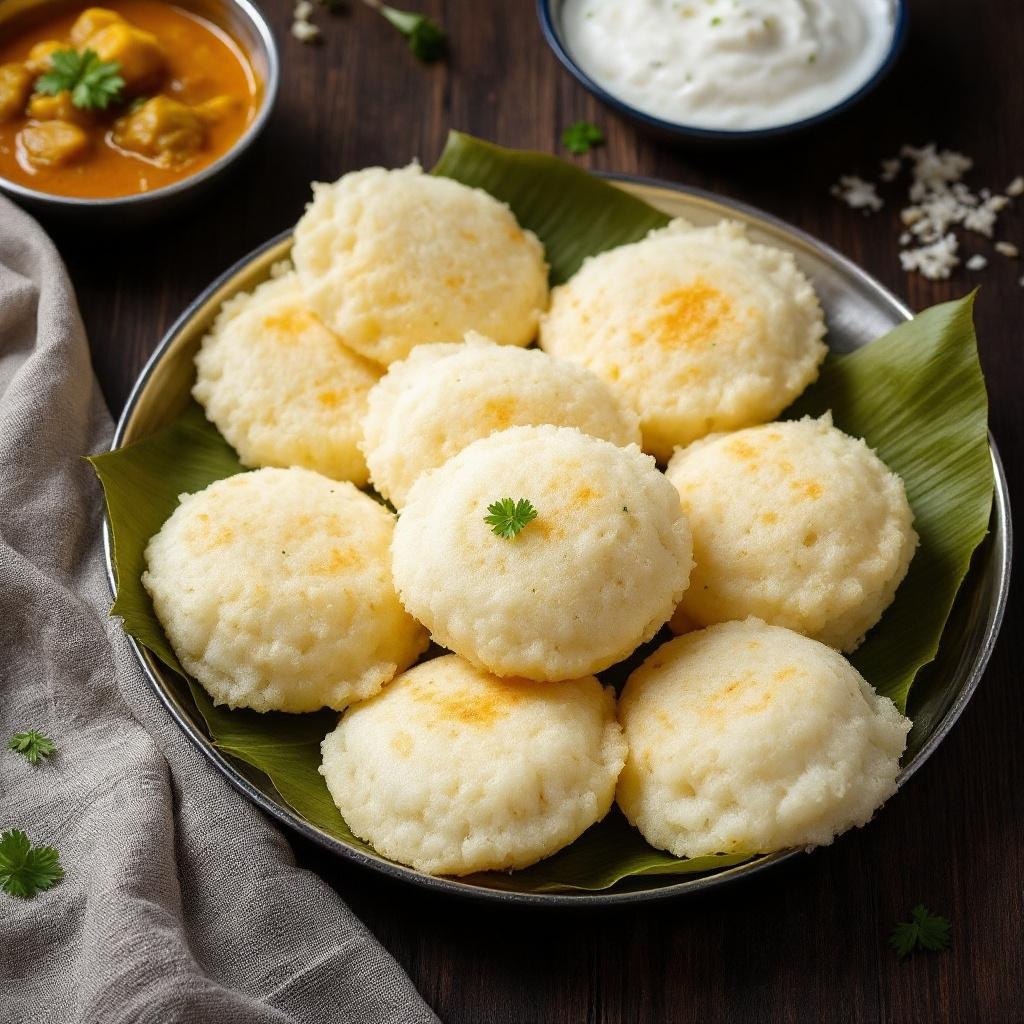
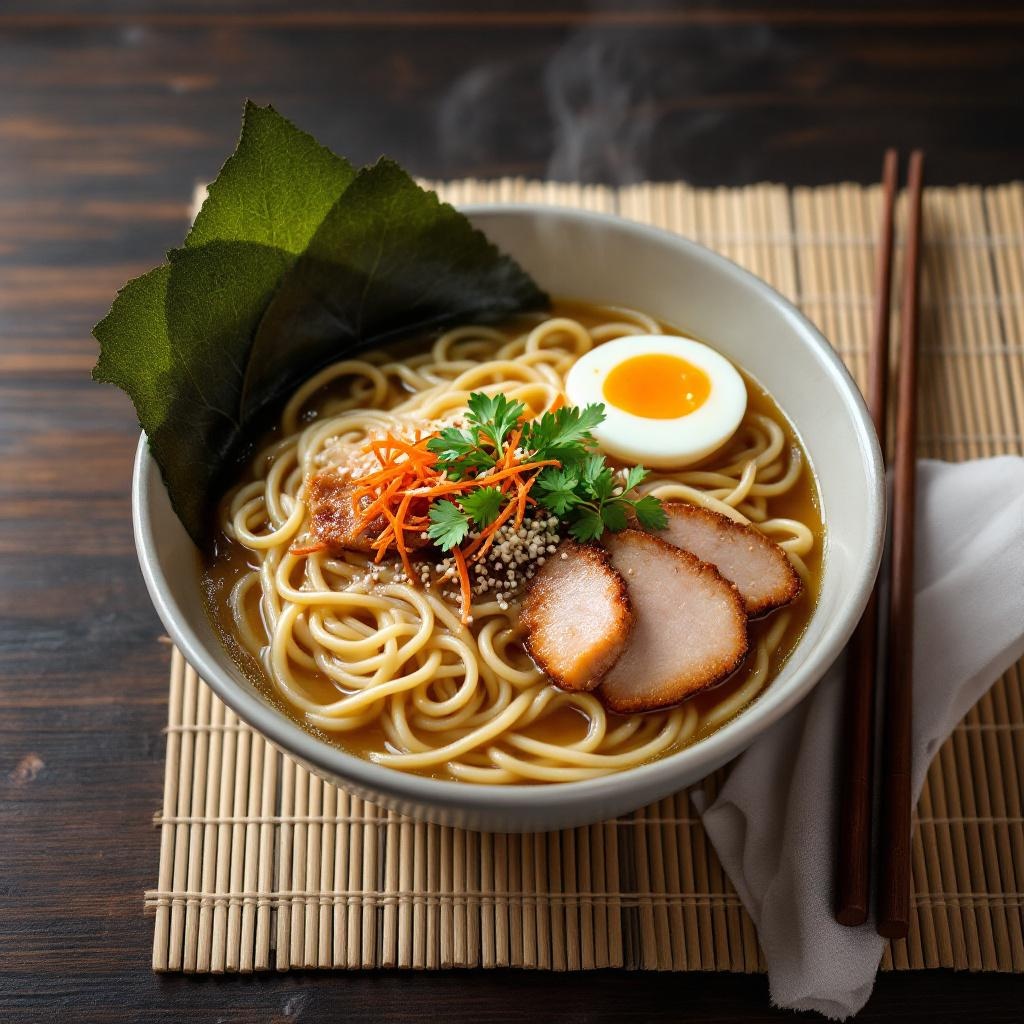
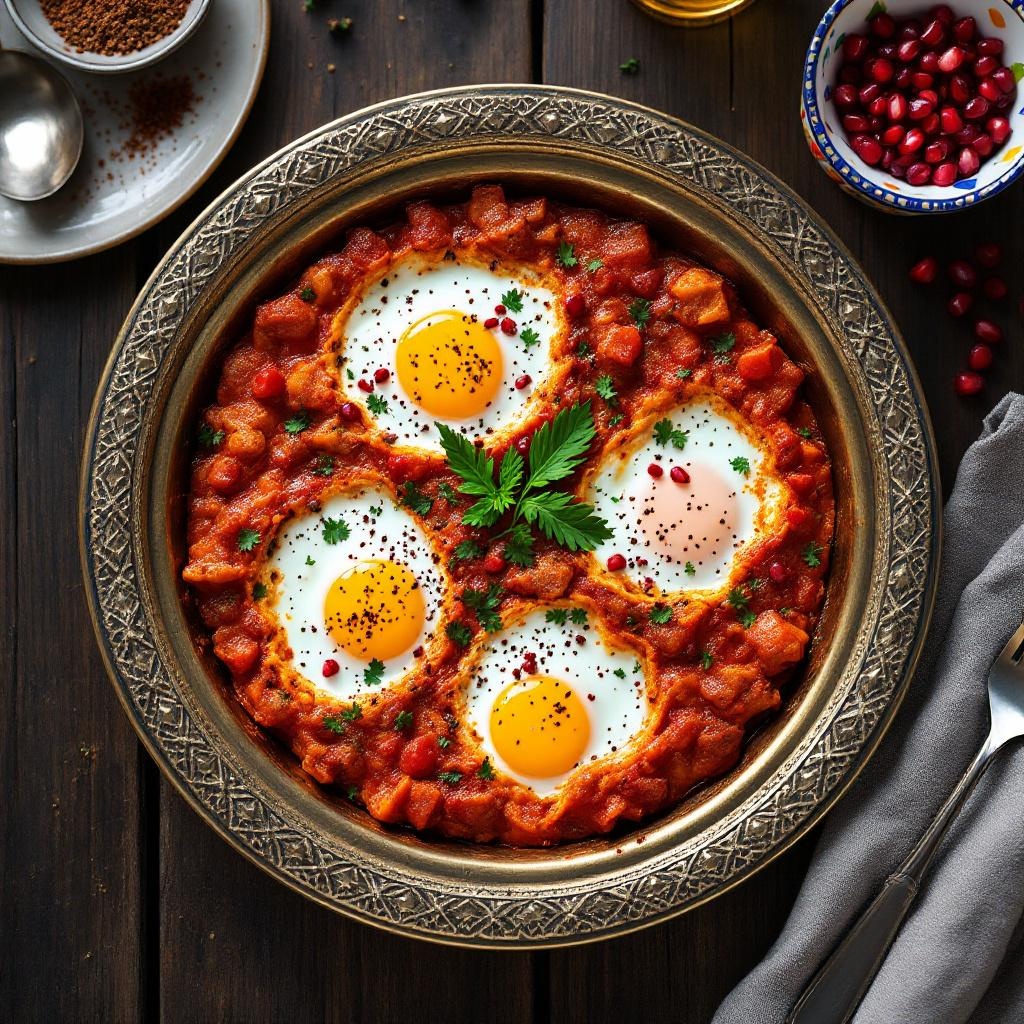
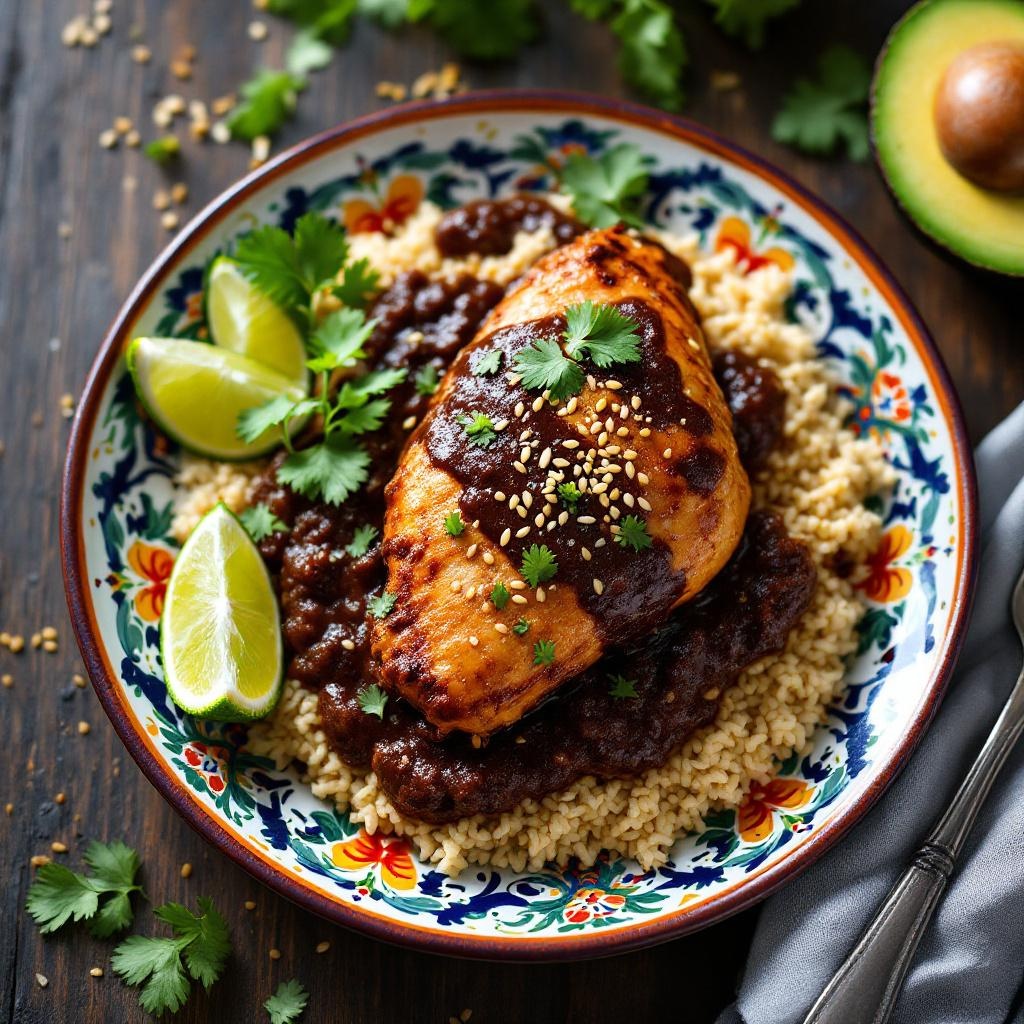
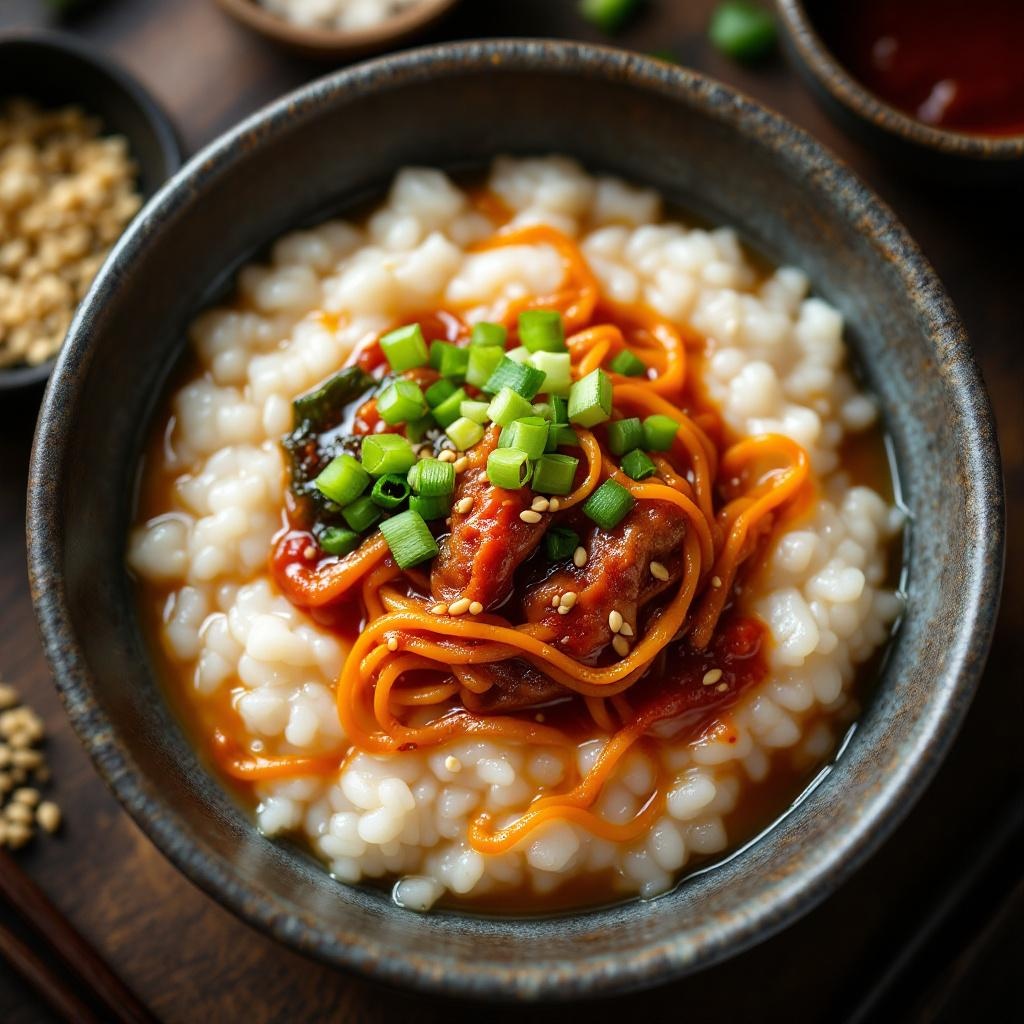
Fruit juice: Pure sugar with no fiber. Instant insulin spike. Fried foods: Your gut hasn't had to process fat in 16+ hours — hitting it with a greasy samosa or churro causes bloating and discomfort. Large portions: Start small. Your stomach has contracted during the fast. Give it 20 minutes before going for seconds.
| Time | Meal | Cal | Protein |
|---|---|---|---|
| 12:00pm | Dal tadka (1 bowl) + 2 roti + aloo gobi (1 katori) | 520 | 18g |
| 3:00pm | Greek yogurt (150g) + handful of almonds + 1 apple | 280 | 14g |
| 7:30pm | Chicken curry (150g) + 1 cup rice + cucumber raita | 620 | 38g |
| Daily Total | 1,420 | 70g |
Vegetarian swap: Replace chicken curry with paneer bhurji (200g) — similar calories, 22g protein.
| Time | Meal | Cal | Protein |
|---|---|---|---|
| 12:00pm | Chicken burrito bowl (no tortilla): rice, black beans, chicken, pico, lettuce | 510 | 36g |
| 3:30pm | Guacamole (3 tbsp) + jicama sticks + corn tortilla chips (small) | 260 | 4g |
| 7:30pm | 2 fish tacos (corn tortillas) + black bean side + salsa verde | 580 | 32g |
| Daily Total | 1,350 | 72g |
The leftover 150 cal? That's your budget for a small horchata or a handful of pepitas. Life shouldn't be miserable.
| Time | Meal | Cal | Protein |
|---|---|---|---|
| 12:00pm | Salmon onigiri (2) + miso soup + edamame (1/2 cup) | 480 | 30g |
| 3:30pm | Matcha latte (unsweetened) + 4 pieces tamagoyaki | 200 | 14g |
| 7:30pm | Chicken katsu (baked) + rice + pickled vegetables | 560 | 32g |
| Daily Total | 1,240 | 76g |
260 cal buffer. Add mochi for dessert or a beer with dinner. The Japanese understand that food is joy, not punishment.
8| Time | Meal | Cal | Protein |
|---|---|---|---|
| 12:00pm | Grilled halloumi salad + hummus (3 tbsp) + whole wheat pita | 520 | 24g |
| 3:30pm | Greek yogurt + walnuts + honey drizzle | 250 | 16g |
| 7:30pm | Grilled sea bass + roasted vegetables + quinoa tabbouleh | 580 | 38g |
| Daily Total | 1,350 | 78g |
The Mediterranean diet is the most studied diet in history. Paired with 16:8, you're combining the two most evidence-backed approaches to eating. That's not a coincidence — it's a strategy.
| Time | Meal | Cal | Protein |
|---|---|---|---|
| 12:00pm | Bibimbap with egg + kimchi + doenjang jjigae (small bowl) | 540 | 26g |
| 3:30pm | Kimbap rolls (4 pieces) + barley tea | 220 | 8g |
| 7:30pm | Grilled bulgogi (150g) + japchae + steamed rice (1/2 cup) | 580 | 34g |
| Daily Total | 1,340 | 68g |
| Time | Meal | Cal | Protein |
|---|---|---|---|
| 12:00pm | Pho bo (beef pho, regular bowl) + herbs + bean sprouts | 480 | 28g |
| 3:30pm | Fresh spring rolls (2) with peanut sauce | 240 | 10g |
| 7:30pm | Grilled lemongrass chicken + broken rice + fish sauce dressing | 560 | 36g |
| Daily Total | 1,280 | 74g |
Vietnamese cuisine is naturally IF-friendly: herb-heavy, broth-based, light on dairy, big on fresh vegetables. You barely have to modify anything.
9With only 6 hours, you're eating two meals — maybe two meals and a small snack. The stakes for each meal are higher. Every plate needs to be nutrient-dense, protein-rich, and satisfying enough that you're not white-knuckling through the next 18 hours.
| Time | Meal | Cal | Protein |
|---|---|---|---|
| 12:00pm | Rajma (1.5 bowls) + 2 roti + mixed vegetable sabzi + raita | 680 | 28g |
| 5:30pm | Egg bhurji (3 eggs) + 2 multigrain toast + green chutney + fruit | 620 | 32g |
| Daily Total | 1,300 | 60g |
| Time | Meal | Cal | Protein |
|---|---|---|---|
| 12:00pm | Tom yum goong + jasmine rice + stir-fried morning glory | 580 | 30g |
| 5:30pm | Green curry chicken + brown rice + papaya salad | 640 | 34g |
| Daily Total | 1,220 | 64g |
| Time | Meal | Cal | Protein |
|---|---|---|---|
| 12:00pm | Chicken shawarma plate: meat, tabbouleh, hummus, pickles, pita | 680 | 42g |
| 5:30pm | Lentil soup (mercimek) + falafel (3 pieces) + fattoush salad | 560 | 24g |
| Daily Total | 1,240 | 66g |
Two big, deeply satisfying meals beat three tiny restrictive ones. You're never eating a sad 300-calorie "meal" — you're having a real, full plate twice a day. Most people find this easier to sustain than it sounds.
These are advanced protocols. The margin for error is slim. You've got one meal (OMAD) or one meal plus a snack (20:4) to hit your calorie, protein, and micronutrient targets. But when done right, the simplicity is liberating — no meal prep, no decisions, just one glorious plate.
| Component | Portion | Cal | Protein |
|---|---|---|---|
| Chicken curry | 200g | 320 | 32g |
| Dal fry | 1 large bowl | 220 | 12g |
| Jeera rice | 1.5 cups | 340 | 6g |
| Aloo gobi | 1 katori | 160 | 4g |
| Raita | 1 bowl | 80 | 4g |
| Roti | 1 | 120 | 3.5g |
| Gulab jamun | 1 piece | 150 | 2g |
| Total | 1,390 | 63.5g |
Yes, you can have dessert on OMAD. When your entire day's calories are on one plate, a single gulab jamun is 10% of your intake. That's reasonable.
| Component | Portion | Cal | Protein |
|---|---|---|---|
| Carne asada | 200g | 380 | 42g |
| Mexican rice | 1 cup | 210 | 4g |
| Refried black beans | 3/4 cup | 180 | 10g |
| Guacamole + chips | Small serving | 280 | 4g |
| Corn tortillas | 3 | 210 | 6g |
| Pico de gallo | 1/2 cup | 30 | 1g |
| Churro | 1 small | 150 | 2g |
| Total | 1,440 | 69g |
Getting 60-80g of protein in one sitting is hard. Your body can only absorb roughly 40g per meal efficiently (Schoenfeld & Aragon, 2018). If you're doing OMAD long-term, consider a protein shake 30 minutes before your meal to split the load. And please — don't start with OMAD. Do 16:8 for a month, 18:6 for another, then try it.
Every year, roughly 1.8 billion Muslims fast from dawn (Fajr) to sunset (Maghrib) for 29-30 days. Depending on geography and season, that's 12-20 hours daily. It's not identical to 16:8 — no water during the fast is a significant difference — but the metabolic principles overlap substantially.
Suhoor (pre-dawn meal) strategy: Slow-digesting foods are critical. Eggs, oats, whole wheat bread, cheese, dates, and plenty of water. The worst suhoor is white bread and tea — you'll be starving by 10am. The best suhoor includes protein, complex carbs, and healthy fats that digest over 4-6 hours.
Iftar (breaking fast) strategy: The tradition of breaking fast with dates and water isn't just cultural — it's metabolically brilliant. Dates provide quick-release natural sugars (glucose and fructose) to restore blood sugar, while water rehydrates. Follow with soup, then a full meal 15-20 minutes later. The biggest Ramadan mistake: treating iftar like a feast buffet. Overeating after a long fast causes bloating, lethargy, and defeats the metabolic benefits.
The Hindu calendar includes 24 Ekadashi days per year (twice monthly), plus extended fasts during Navratri, Shravan, and Karva Chauth. "Fasting foods" in this tradition include sabudana (tapioca), kuttu (buckwheat), singhara atta, fruits, and milk. These aren't low-calorie — a plate of sabudana khichdi is 350 cal — but they eliminate grains, onion, and garlic, which Ayurvedic tradition considers tamasic (heavy). The principle is lightening the digestive load.
Yom Kippur: A 25-hour complete fast (no food, no water) — the most intense mainstream religious fast. Recovery eating is critical: start with water, then light foods (challah, soup), then build up. Don't break a 25-hour fast with a bagel loaded with cream cheese and lox all at once.
Buddhist monk eating: Theravada monks eat only between dawn and noon — the original OMAD, practiced for 2,500 years. One or two meals, nothing solid after midday. Modern science calls this "early time-restricted feeding" and research by Longo and Panda (2016) suggests it aligns best with circadian rhythms.
Ethiopian Orthodox fasting: 200+ fasting days per year, primarily vegan. That's more intermittent fasting than any biohacker you follow on Twitter.
12Most IF research has been conducted predominantly on men. That matters. Women's hormonal systems respond differently to caloric restriction, and aggressive fasting can have consequences that don't show up in studies of male participants.
Women's reproductive hormones (estrogen, progesterone, LH, FSH) are sensitive to energy availability. Aggressive fasting — especially daily 20:4 or OMAD — can signal to the hypothalamus that food is scarce. The body responds by downregulating reproductive function: irregular periods, anovulation, and in extreme cases, hypothalamic amenorrhea. This isn't theoretical — Heilbronn et al. noted differential glucose tolerance responses in women versus men during alternate-day fasting.
A modified approach for women:
Here's the bright spot: for women with PCOS (Polycystic Ovary Syndrome), IF can be genuinely beneficial. Li et al. (2021) in Translational Research found that time-restricted eating improved insulin resistance, reduced androgens, and improved menstrual regularity in women with PCOS. The mechanism makes sense — PCOS is fundamentally an insulin-driven condition, and IF directly targets insulin sensitivity.
Pregnant or breastfeeding. Full stop. Your body is building or feeding a human. This is not the time for caloric restriction of any kind. Also do not fast if you have a history of eating disorders — IF can trigger restrictive patterns. If you have type 1 diabetes, fasting without medical supervision is dangerous.
Here's a secret most IF guides won't tell you: daily calorie counting and intermittent fasting make a terrible pair. Some days you'll eat 1,200 in your window. Other days, 1,800. A birthday dinner might be 2,200. If you're measuring success day by day, you'll think you're failing constantly.
That's why Calorique uses weekly calorie budgeting instead of daily policing.
Your target is 1,500 cal/day? That's 10,500 per week. Some days you eat 1,200 (easy IF day, not that hungry). Some days you eat 1,800 (dinner with friends, bigger eating window). As long as the weekly total hits 10,500, you're on track. Your body doesn't reset at midnight — metabolism is a rolling average.
Real example — a week of IF with weekly budgeting:
| Day | Protocol | Calories | Note |
|---|---|---|---|
| Mon | 16:8 | 1,400 | Normal day, two meals + snack |
| Tue | 18:6 | 1,200 | Busy day, two meals only |
| Wed | 16:8 | 1,500 | Gym day, ate a bit more |
| Thu | 16:8 | 1,400 | Standard |
| Fri | 14:10 | 1,800 | Dinner out, wider window |
| Sat | 16:8 | 1,700 | Weekend brunch + dinner |
| Sun | 18:6 | 1,300 | Light day, recovery |
| Weekly Total | 10,300 | Target: 10,500 (on track) |
See that? Friday was 1,800. Sunday was 1,300. If you were daily counting, Friday is a "failure" and Sunday is "restriction." With weekly budgeting, the week is a success. This is how real humans eat.
1. Your eating window — log your first and last meal, see your actual fasting hours. 2. Weekly calorie budget — not daily guilt trips. 3. Protein per meal — because what you eat in your window is what makes IF work or fail.
Every cuisine in this guide. Real portions. Weekly budgets.
Know exactly what you're eating in your window.
3,000+ dishes from 40+ cuisines. AI-powered logging. Built for how real people eat.
caloriqueapp.com · hello@caloriqueapp.com
Eat what you love. We'll balance the rest.
16IMPORTANT DISCLAIMER
This guide is for educational and informational purposes only. It is NOT medical advice and does not replace consultation with a physician, registered dietitian, or qualified healthcare provider.
Intermittent fasting is not appropriate for everyone. Do NOT fast if you are pregnant, breastfeeding, under 18, have a history of eating disorders, have type 1 diabetes, or are on medication that requires food intake at specific times.
The Calorique Experts are not medical professionals, registered dietitians, or licensed nutritionists. This guide has not been reviewed or endorsed by any medical or dietetic association.
Always consult your doctor before starting any fasting protocol, especially if you have existing health conditions or take prescription medication.
Calorie values are estimates based on standard preparations and may vary by recipe, portion size, and cooking method.
© 2026 Equiti Ventures LLC. Calorique™ (Serial No. 99707043).
For educational purposes only. Consult your healthcare provider before making dietary changes.